
Mammal · GBIF taxon 2433272
Jamaican Fruit-eating Bat
Artibeus jamaicensisAlso known as Jamaican Fruit Bat
Jamaican fruit-eating bats play a crucial ecological role as primary seed dispersers for canopy trees across Neotropical forests. They modify large leaves into tent-like shelters or gather in moist caves, emerging after dusk to forage heavily on wild figs and pollen. A distinct leaf-like nose projection aids their sophisticated echolocation as they navigate dense forest understories.
NocturnalFrugivoreMammal
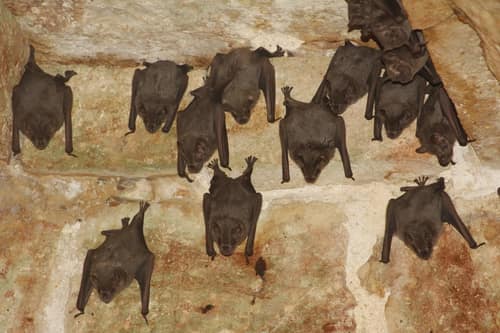
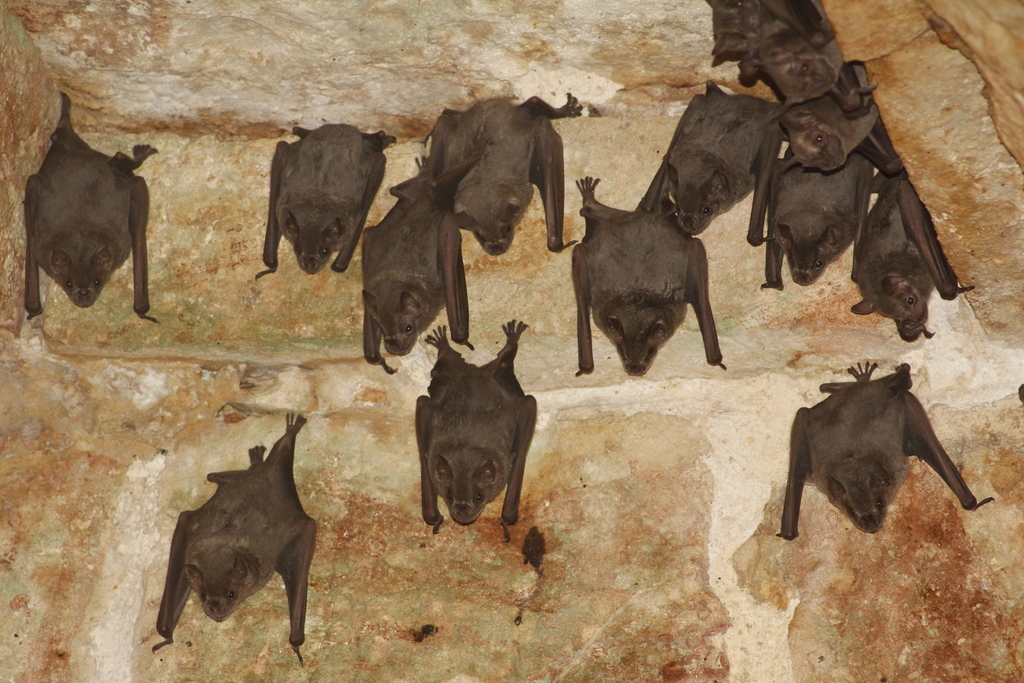
—observations
—countries
—peak records
Least ConcernConservation statusIUCN Red List categoriesLCNTVUENCREWEXLeast ConcernRed List categories, explained →
Diet & prey
- Figs
- Papayas
- Floral nectar
Predators
- Owls
- Tree snakes
- Falcons
ThreatsDeforestation, cave roost disturbance
HabitatsRainforests, cloud forests, caves, orchards
Life span9–12 years
Size / weightNot available
Classification
- FamilyPhyllostomidae
- SpeciesArtibeus jamaicensis
Range data is not available yet.
Interaction riskModerate
- Low
- Moderate
- High
- Very high
- Why interaction risk is moderate
- May carry rabies and bite if handled; observe roosts quietly from a safe distance.
- Why it is dangerous
- Bats can transmit rabies virus through bites or scratches and have sharp teeth that breach skin.
- How to recognize a risky encounter
- Recognized by medium size, greyish fur, prominent leaf-nose, and faint white facial stripes.
- What to do
- Never handle wild bats; contact local wildlife rehabilitators if an injured bat is found.
Responsible observation
- Observe Nightly Flights: Watch fruiting fig trees at dusk to see bats pluck fruit mid-flight.
- Protect Roosts: Avoid entering occupied caves or shining bright flashlights directly at roosting colonies.
- Avoid Direct Contact: Never touch or attempt to handle grounded or roosting bats.
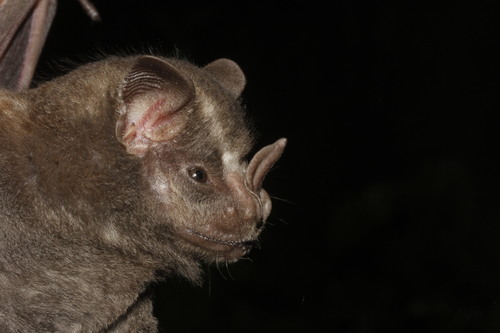
Close Relative (c) Juan Cruzado Cortés, some rights reserved (CC BY-SA), uploaded by Juan Cruzado Cortés · cc-by-sa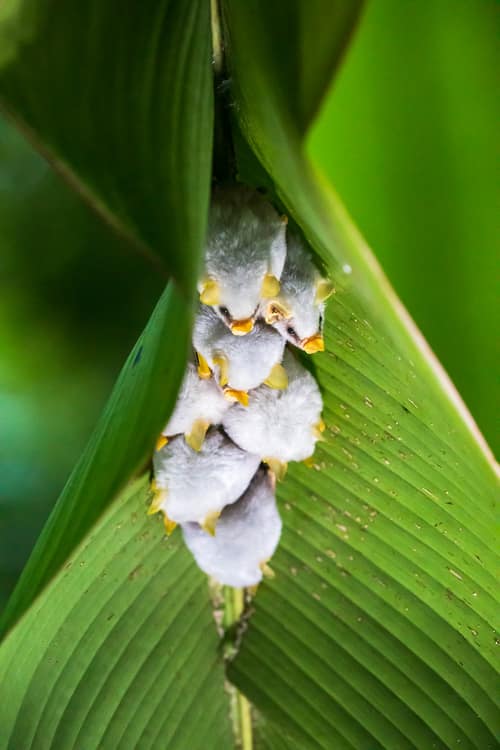
Family Member "Honduran white bat" by cricketsblog is licensed under CC BY 2.0. To view a copy of this license, visit https://creativecommons.org/licenses/by/2.0/. · cc-by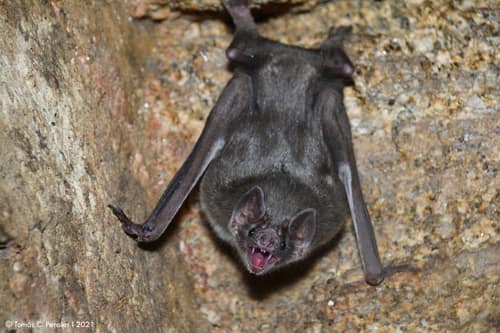
Family Member (c) Tomás Carranza Perales, some rights reserved (CC BY), uploaded by Tomás Carranza Perales · cc-by
Help improve the field guideSomething wrong?
Checking your Fauna account…Report a name, category, or profile issue for review.