
Mammal · GBIF taxon 2433240
Greater Antillean Long-tongued Bat
Monophyllus redmaniAlso known as Leach's Single Leaf Bat, Antillean Long-Tongued Bat
Greater Antillean long-tongued bats emerge in vast swirling clouds from subterranean caves at dusk to forage across tropical woodlands and scrubland. Their elongated snouts and brush-tipped tongues allow them to reach deep into night-blooming cacti and banana blossoms, drinking nectar while transferring vital pollen. By day, hundreds of thousands roost tightly packed in warm, humid cave chambers where high-pitched vocalizations echo off damp limestone walls.
NocturnalPollinatorCave Dweller
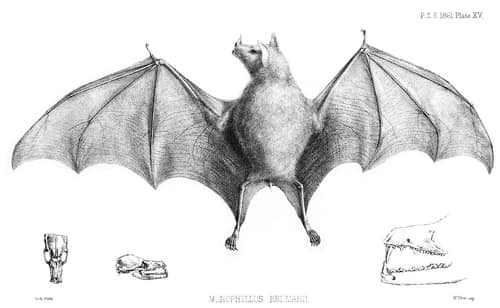
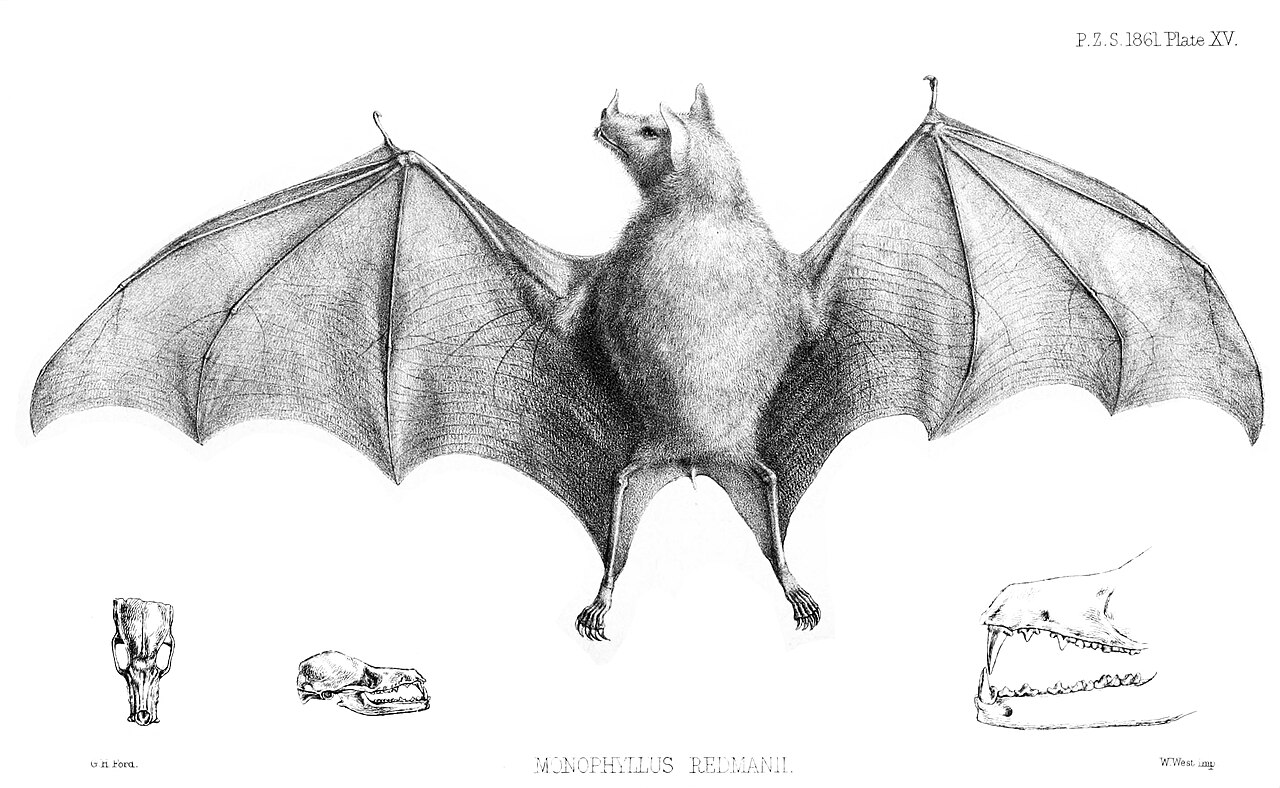
Licensed referenceG H Ford / Public domain · cc0
—observations
—countries
—peak records
Least ConcernConservation statusIUCN Red List categoriesLCNTVUENCREWEXLeast ConcernRed List categories, explained →
Diet & prey
- Flower nectar
- Pollen
- Small insects
Predators
- Barn Owl
- Puerto Rican Boa
- Feral Cat
ThreatsCave habitat disturbance, severe hurricanes, and roost destruction
HabitatsTropical dry forests, rainforests, scrublands, and cave roosts
Life span10–15 years in the wild
Size / weightNot available
Classification
- FamilyPhyllostomidae
- SpeciesMonophyllus redmani
Range data is not available yet.
Interaction riskModerate
- Low
- Moderate
- High
- Very high
- Why interaction risk is moderate
- Can bite defensively if handled and may carry pathogens; observe colonies safely without entering sensitive roosting caves.
- Why it is dangerous
- Wild bats can transmit rabies virus through saliva or bites and will inflict sharp defensive wounds if handled.
- How to recognize a risky encounter
- Recognized by its small size, grayish-brown fur, leaf-like nose projection, and unusually long snout.
- What to do
- Never handle wild bats; if an injured bat is found on the ground, contact local wildlife rescue officers.
- What to notice
- Identified in deep cave systems by large nocturnal roosting clusters emitting high-pitched chatter.
- Support conservation
- Maintain distance from cave roost openings and avoid shining white light beams directly into roosting areas.
Responsible observation
- Cave Etiquette: Avoid entering active roosting caves to prevent mass panic and roost abandonment.
- Nocturnal Observing: Watch foraging activity around night-blooming flowers using low-intensity red light.
- Safe Distance: Never handle or touch roosting or grounded wild bats.
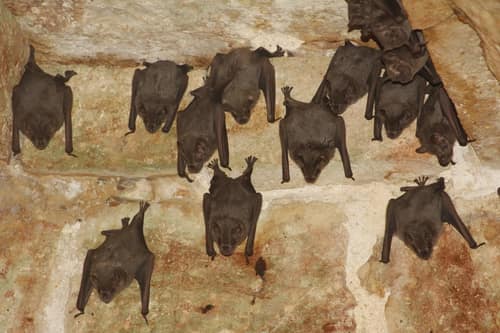
Frequent Companion (c) Juan Cruzado Cortés, some rights reserved (CC BY-SA), uploaded by Juan Cruzado Cortés · cc-by-sa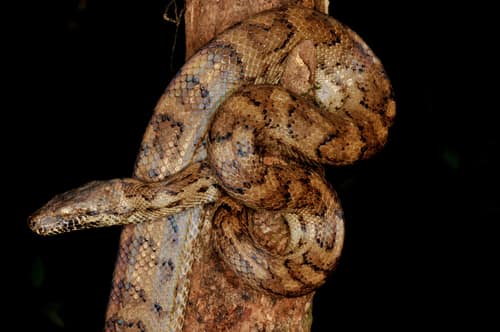
Predator (c) Tom Kennedy, some rights reserved (CC BY), uploaded by Tom Kennedy · cc-by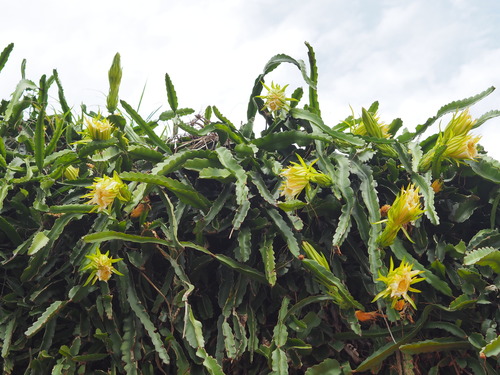
Pollination Partner no rights reserved, uploaded by 葉子 · cc0 Image unavailable
Close Relative
Help improve the field guideSomething wrong?
Checking your Fauna account…Report a name, category, or profile issue for review.