
Mammal · GBIF taxon 2433207
Mexican Long-tongued Bat
Choeronycteris mexicanaAlso known as Hog-nosed Bat, Mexican Long-tongued Nectar Bat
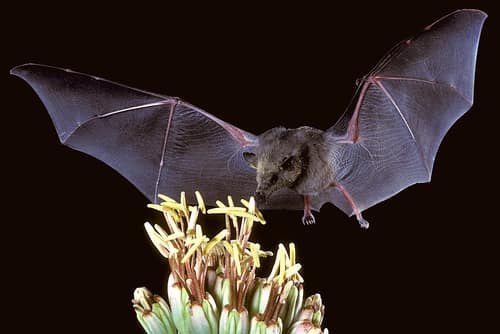
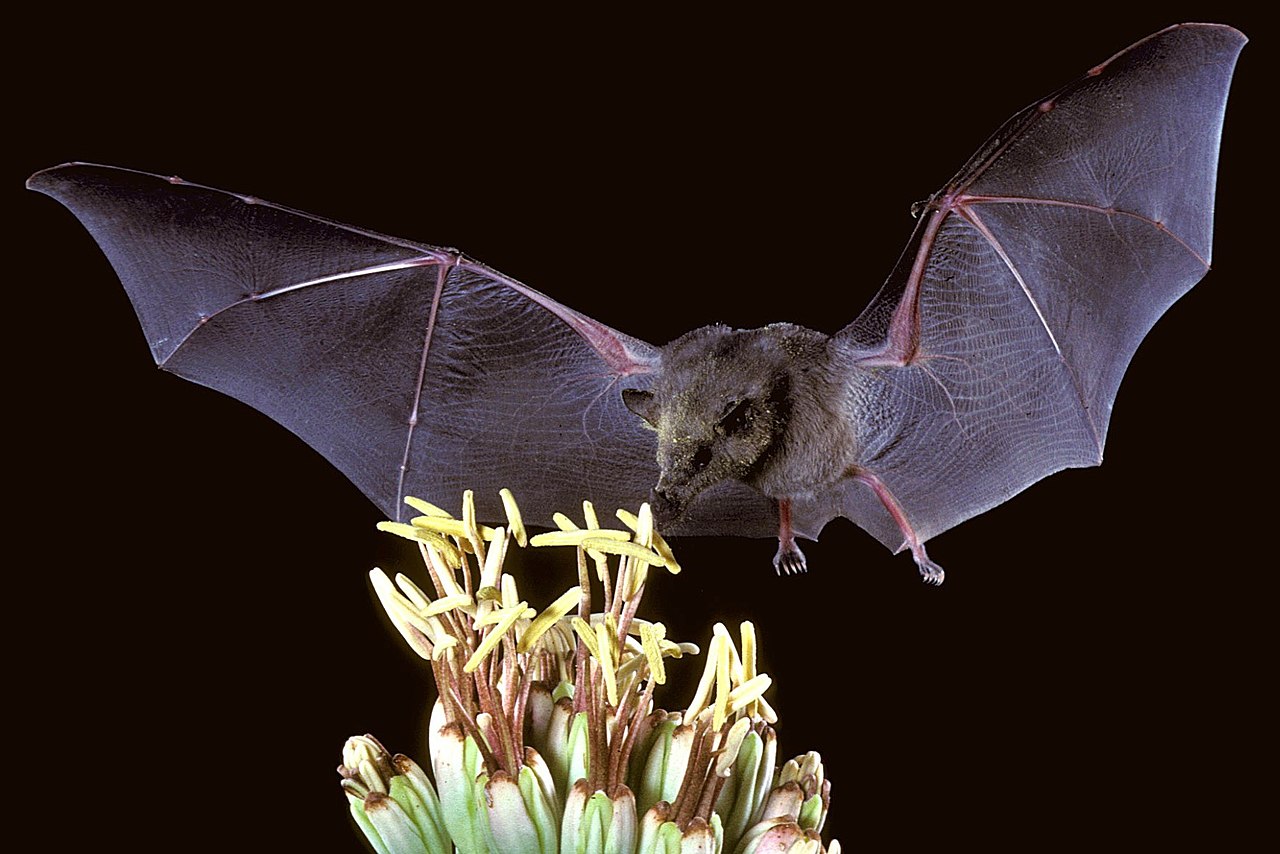
Mexican long-tongued bats feature an extraordinarily long muzzle and brush-tipped tongue adapted for sipping nectar from deep night-blooming flowers. They act as essential pollinators for wild agaves and giant desert cacti during their seasonal migrations between Mexico and the American Southwest. Easily startled while roosting in caves or abandoned mines, these bats rely on quiet, undisturbed shelters to rest and raise their young.
PollinatorNocturnalMigratory
—observations
—countries
—peak records
Near ThreatenedConservation statusIUCN Red List categoriesLCNTVUENCREWEXNear ThreatenedRed List categories, explained →
Diet & prey
- Agave Nectar
- Cactus Nectar
- Fruit
Predators
- Owls
- Snakes
- Domestic Cats
ThreatsRoost disruption, habitat loss, and harvesting of wild agave
HabitatsDesert scrub, pine-oak woodlands, caves, and abandoned mines
Life span10–12 years
Size / weightNot available
Classification
- FamilyPhyllostomidae
- SpeciesChoeronycteris mexicana
Range data is not available yet.
Interaction riskModerate
- Low
- Moderate
- High
- Very high
- Why interaction risk is moderate
- Can carry rabies and bite defensively; do not handle or disturb roosting bats.
- Why it is dangerous
- Like many bats, they can carry rabies and will bite defensively if grasped or trapped.
- How to recognize a risky encounter
- Recognized by a tiny leaf-like nose projection, deeply elongated snout, and brownish-grey fur.
- What to do
- Never touch a grounded or roosting bat; contact local wildlife rescuers if an injured bat is found.
- What to notice
- Identifiable in flight by a prolonged hover over nocturnal blossoms in arid environments.
- Support conservation
- Avoid entering known maternity roost caves or abandoned mines during the spring and summer breeding season.
Responsible observation
- Nighttime Viewing: Set up nectar feeders in desert yards to observe them feeding after dusk.
- Roost Etiquette: Keep a respectful distance from cave entrances and avoid shining bright lights inside.
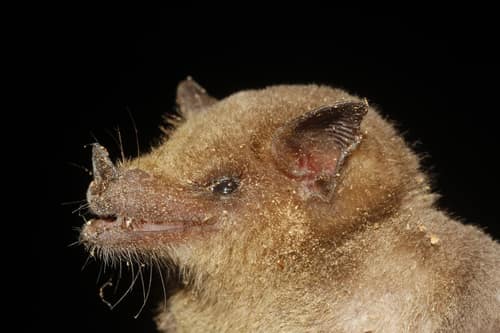
Ecological Counterpart (c) Juan Cruzado Cortés, some rights reserved (CC BY-SA), uploaded by Juan Cruzado Cortés · cc-by-sa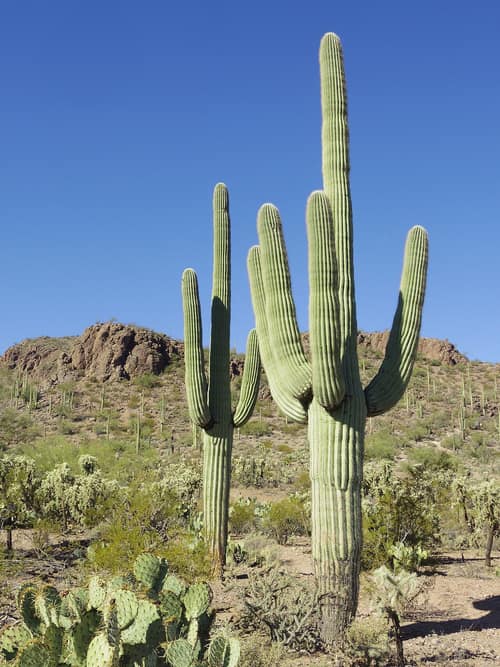
Pollination Partner WClarke / CC BY-SA 3.0 · cc-by-sa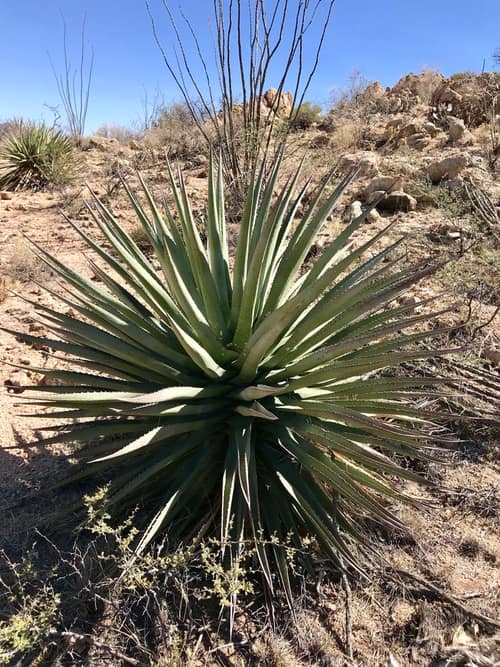
Host Plant (c) CK2AZ, some rights reserved (CC BY), uploaded by CK2AZ · cc-by
Help improve the field guideSomething wrong?
Checking your Fauna account…Report a name, category, or profile issue for review.