
Mammal · GBIF taxon 2432479
Townsend's Big-eared Bat
Corynorhinus townsendiiAlso known as Western Big-eared Bat
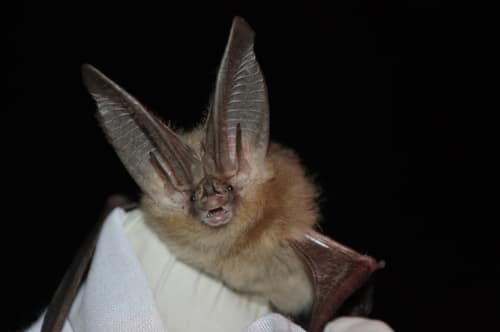
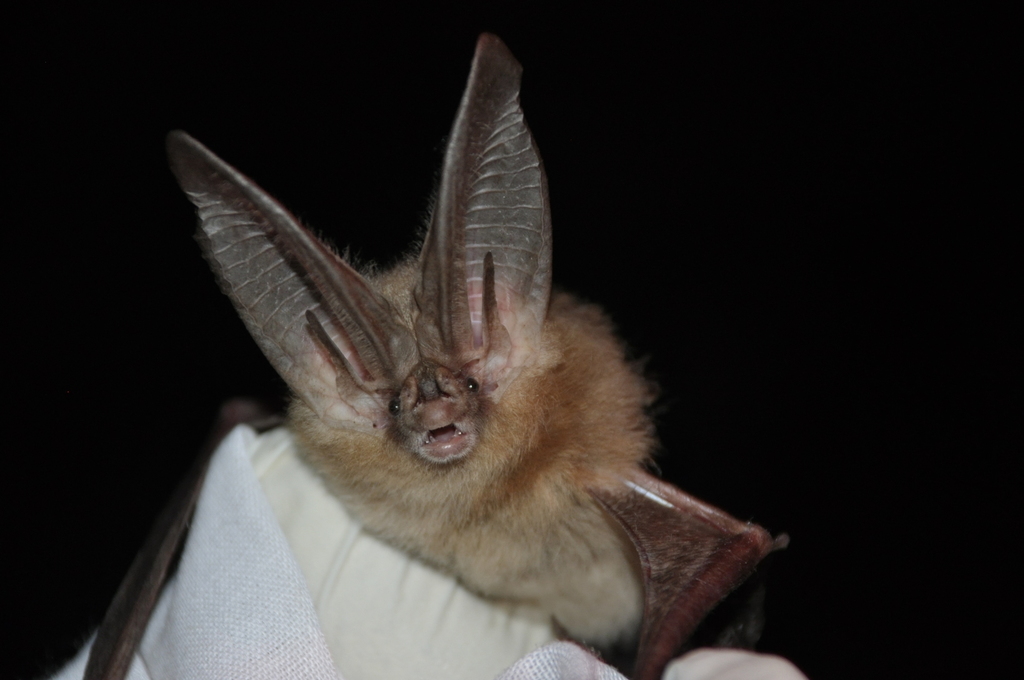
Townsend's Big-eared Bat has enormous ears joined across the forehead, a pale brown coat, and two prominent glandular lumps on its muzzle. It emerges from caves, mines, or buildings after dark and uses slow maneuverable flight to glean moths near vegetation.
Cave-roosting BatMoth SpecialistOversized Ears
 1 / 7
1 / 7—observations
—countries
—peak records
Least ConcernConservation statusIUCN Red List categoriesLCNTVUENCREWEXLeast ConcernRed List categories, explained →
Diet & prey
- Moths
- Beetles
- Flies
Predators
- Owls
- Raccoons
- Snakes
ThreatsRoost disturbance, mine closure, white-nose syndrome, pesticide-driven prey loss, vandalism, and habitat conversion
HabitatsCaves, abandoned mines, buildings, desert scrub, pine forest, woodland, and riparian corridors
Life spanLong-lived for its size; individuals can survive for more than 20 years
Size / weightNot available
Classification
- FamilyVespertilionidae
- SpeciesCorynorhinus townsendii
Native
Interaction riskModerate
- Low
- Moderate
- High
- Very high
- Why interaction risk is moderate
- Any bat can transmit rabies through a bite or scratch; never touch one with bare hands.
- Why it is dangerous
- Bats may carry rabies without obvious signs, and a tiny bite or scratch can be difficult to detect.
- How to recognize a risky encounter
- Enormous joined ears and paired swellings on the muzzle distinguish this pale brown bat at close roost views.
- What to do
- Do not touch, capture, or release a grounded bat; isolate the area and call trained wildlife or public health staff.
- What to notice
- Very large ears joined at the forehead and two raised muzzle glands help confirm Townsend's Big-eared Bat.
- Support conservation
- Never enter an occupied cave or mine, illuminate clustered bats, publish roost coordinates, or linger at a roost entrance.
Responsible observation
- Dusk: Watch open flight corridors from outside rather than entering a roost.
- Ears: Use binoculars to note ears nearly as long as the bat's body.
- Exposure: Contact public health professionals after any direct bat contact.
Help improve the field guideSomething wrong?
Checking your Fauna account…Report a name, category, or profile issue for review.