
Mammal · GBIF taxon 2432451
Southeastern Myotis
Myotis austroripariusAlso known as Southeastern Bat, Southeastern Cave Myotis
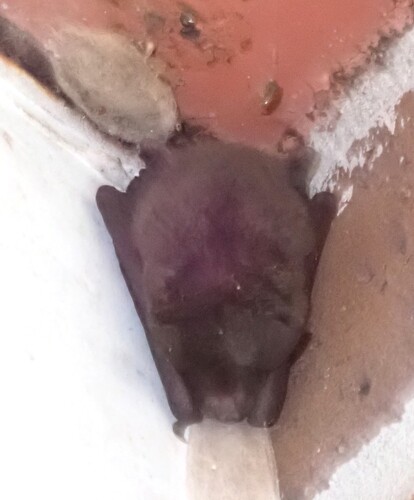
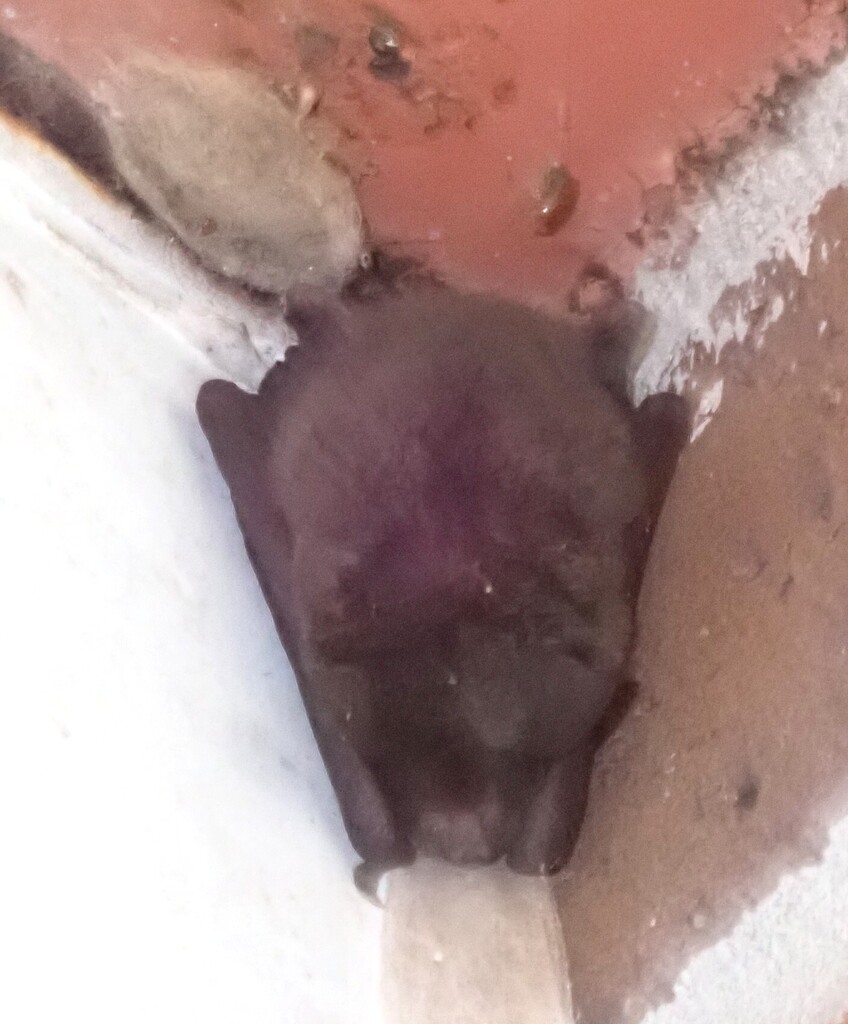
Southeastern myotis are notable among North American cave bats for frequently giving birth to twins rather than single pups. They roost near water bodies in hollow trees, caves, or human structures, taking flight at dusk to forage low over swamps and rivers. Their dense, woolly fur ranges from reddish-orange to grey, and large hind feet with long hairs help them scoop insects near the water's surface.
InsectivoreNocturnalCave Dweller
—observations
—countries
—peak records
Least ConcernConservation statusIUCN Red List categoriesLCNTVUENCREWEXLeast ConcernRed List categories, explained →
Diet & prey
- Mosquitoes
- Midges
- Beetles
Predators
- Owls
- Snakes
- Raccoons
ThreatsWhite-nose syndrome, habitat destruction, roost disturbance
HabitatsSwamps, bottomland hardwood forests, caves, hollow trees
Life span10–15 years
Size / weightNot available
Classification
- FamilyVespertilionidae
- SpeciesMyotis austroriparius
Range data is not available yet.
Interaction riskModerate
- Low
- Moderate
- High
- Very high
- Why interaction risk is moderate
- Can transmit rabies if handled; never touch grounded or roosting bats directly.
- Why it is dangerous
- Can transmit the rabies virus through bites or scratches, which causes fatal neurological illness if untreated.
- How to recognize a risky encounter
- Small brown bat with dense, woolly fur and large hind feet with prominent hairs on the toes.
- What to do
- Never touch or handle bats directly; contact local wildlife authorities if one is found grounded or indoors.
- What to notice
- Small insectivorous bat roosting in southern bottomland swamps, cypress hollows, or humid caves.
- Support conservation
- Avoid entering roost caves during winter hibernation or spring pupping seasons to prevent roost abandonment.
Responsible observation
- Observing at Dusk: Stand near wetland edges at sunset to watch them forage low over open water.
- Roost Protection: Keep distance from known cave entrances and hollow trees to avoid disturbing nursery colonies.
- Safe Distance: Never attempt to catch, touch, or handle bats found indoors or on the ground.
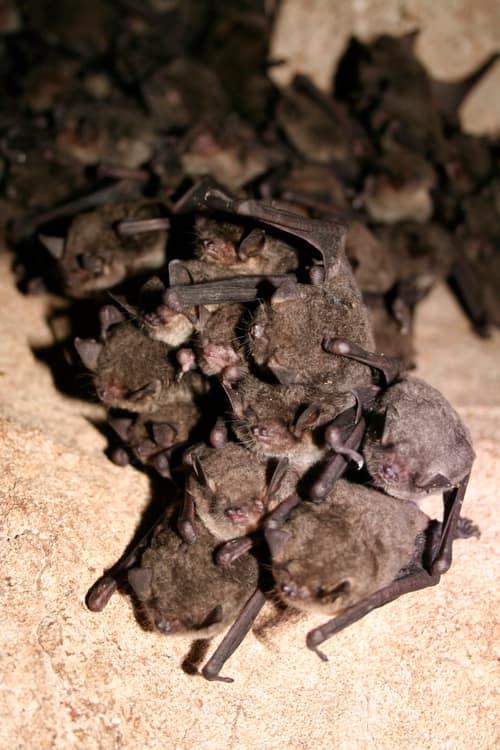
Co-Inhabitant (c) U.S. Fish and Wildlife Service Headquarters, some rights reserved (CC BY) · cc-by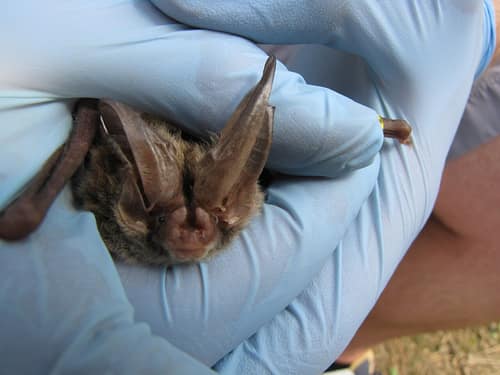
Habitat Partner CSJordan / CC BY 3.0 · cc-by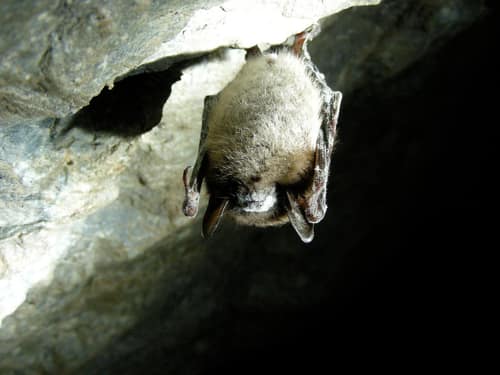
Close Relative "Little brown bat affected by White-nose Syndrome" by U. S. Fish and Wildlife Service - Northeast Region is marked with Public Domain Mark 1.0. To view the terms, visit https://creativecommons.org/publicdomain/mark/1.0/. · cc0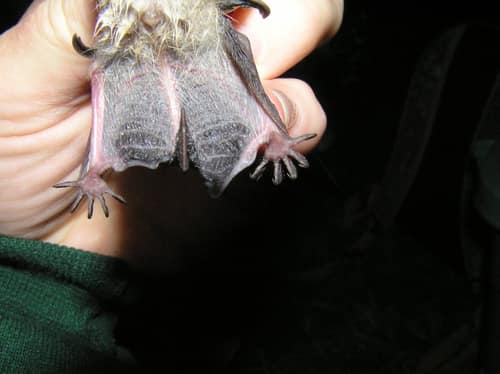
Close Relative (c) Marlo Perdicas, some rights reserved (CC BY), uploaded by Marlo Perdicas · cc-by
Help improve the field guideSomething wrong?
Checking your Fauna account…Report a name, category, or profile issue for review.