
Mammal · GBIF taxon 2432439
Daubenton's Bat
Myotis daubentoniiAlso known as Daubenton's Myotis
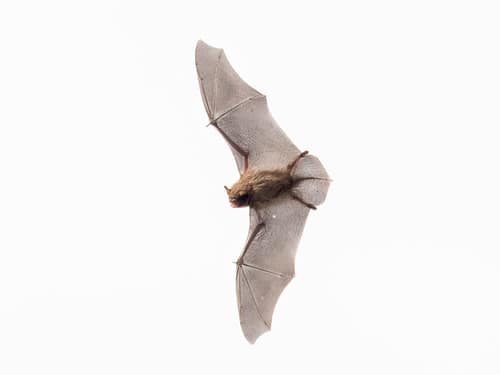
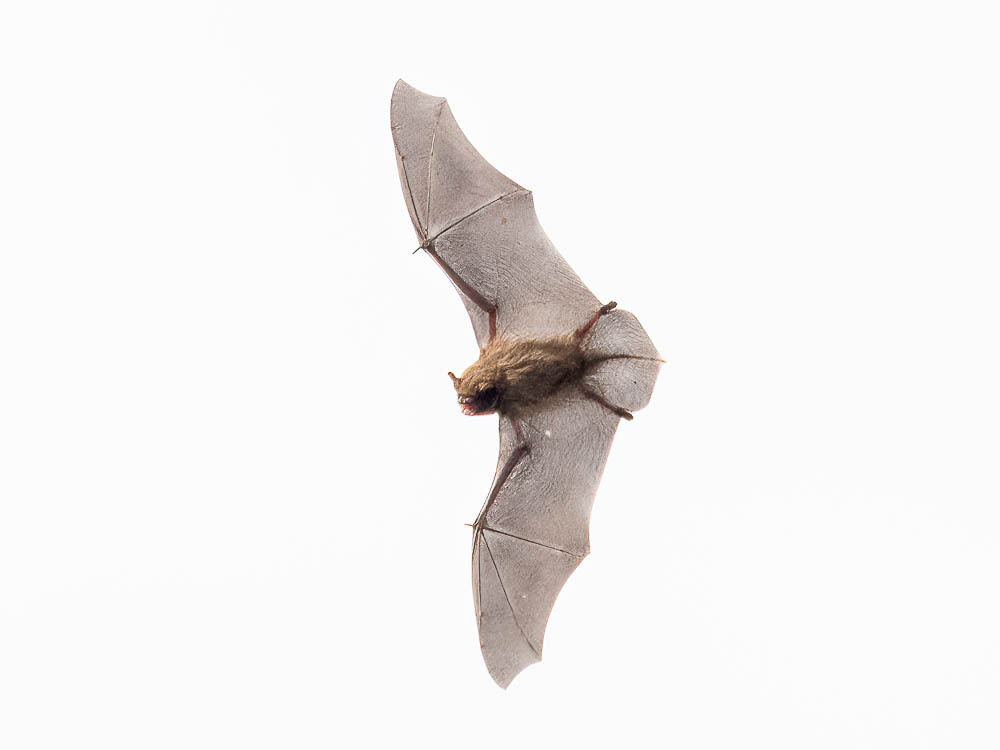
Daubenton's bat is a small brown Eurasian bat with pale underparts and notably large feet. At twilight it flies close above calm water, using its feet and tail membrane to take midges and other insects from the surface.
Water-skimming BatEcholocation HunterCavity Rooster
—observations
—countries
—peak records
Least ConcernConservation statusIUCN Red List categoriesLCNTVUENCREWEXLeast ConcernRed List categories, explained →
Diet & prey
- Midges
- Caddisflies
- Mosquitoes
Predators
- Owls
- Martens
- Domestic cats
ThreatsRoost disturbance, water pollution, insect decline, bridge works, and artificial lighting
HabitatsRivers, canals, ponds, lakes, riparian woodland, caves, bridges, and tree cavities
Life spanOften 5 to 15 years, with exceptional wild records beyond 20 years
Size / weightNot available
Classification
- FamilyVespertilionidae
- SpeciesMyotis daubentonii
Native
Interaction riskModerate
- Low
- Moderate
- High
- Very high
- Why interaction risk is moderate
- Never handle bats; bites and scratches require prompt medical advice.
- Why it is dangerous
- Bats can carry zoonotic pathogens and can bite or scratch when grounded, injured, or restrained.
- How to recognize a risky encounter
- A small brown bat with short ears, pale underside, and conspicuously large feet near water.
- What to do
- Never pick up a bat barehanded; isolate the area and contact a licensed wildlife specialist.
Responsible observation
- Flight: Watch for repeated low passes just above smooth water.
- Grounded bat: Keep people and pets away and call a licensed bat rehabilitator.
Help improve the field guideSomething wrong?
Checking your Fauna account…Report a name, category, or profile issue for review.