
Mammal · GBIF taxon 2432436
Northern Long-eared Bat
Myotis septentrionalisAlso known as Northern Myotis
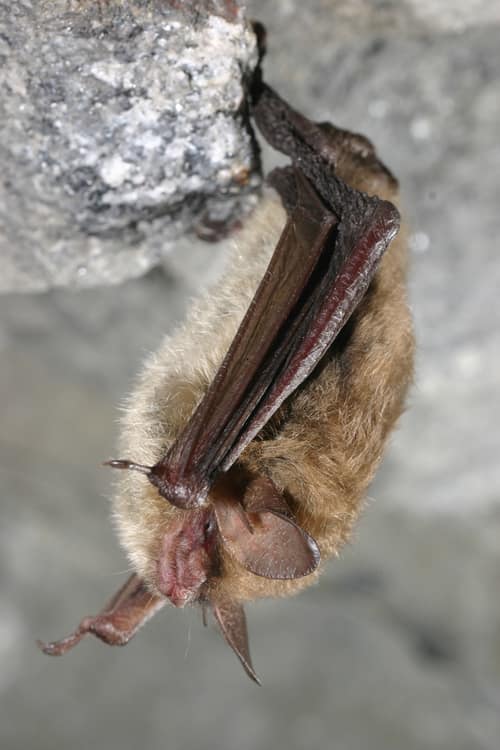
Northern long-eared bats navigate dense forest canopies using high-frequency echolocation, gleaning small insects directly off foliage rather than snatching them mid-air. During winter, they retreat deep into humid caves and abandoned mines to hibernate in tight rock crevices. Severe population crashes caused by white-nose syndrome have made encounters with these secretive forest mammals increasingly rare.
NocturnalMammalInsectivore
 1 / 7
1 / 7—observations
—countries
—peak records
Near ThreatenedConservation statusIUCN Red List categoriesLCNTVUENCREWEXNear ThreatenedRed List categories, explained →
Diet & prey
- Moths
- Beetles
- Flies
Predators
- Owls
- Raccoons
- Snakes
ThreatsWhite-nose syndrome, habitat loss, wind turbine mortality
HabitatsBoreal and temperate forests, caves, abandoned mines
Life span18–19 years
Size / weightNot available
Classification
- FamilyVespertilionidae
- SpeciesMyotis septentrionalis
Range data is not available yet.
Interaction riskModerate
- Low
- Moderate
- High
- Very high
- Why interaction risk is moderate
- Can carry rabies and may bite defensively if handled; observe roosts from a distance without disturbing.
- Why it is dangerous
- Bats are primary vectors for the rabies virus, transmitted through bites or saliva, and can bite defensively when threatened.
- How to recognize a risky encounter
- Recognized by noticeably long ears extending beyond the snout when laid forward and a long, pointed tragus.
- What to do
- Never touch or pick up a wild bat; contact local animal control or wildlife rehabilitators for grounded individuals.
- What to notice
- Small brown bat distinguished by its longer ears relative to other species in the genus Myotis.
- Support conservation
- Keep a safe distance from summer maternity roosts and report winter hibernacula locations to wildlife authorities.
Responsible observation
- Roost Protection: Avoid entering caves and mines during winter to prevent disturbing hibernating bats and spreading fungal spores.
- Safe Listening: Use ultrasonic bat detectors to hear foraging calls without disrupting natural night activities.
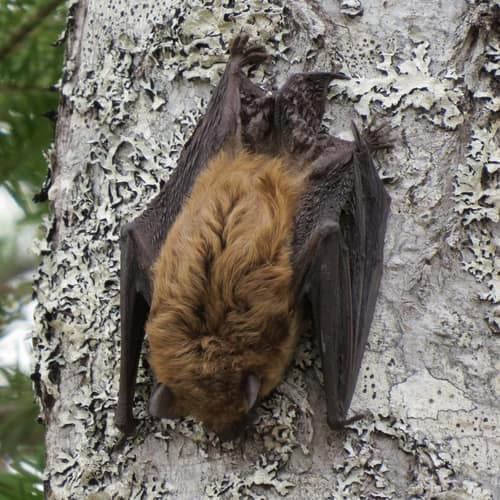
Competitor (c) Fyn Kynd, some rights reserved (CC BY) · cc-by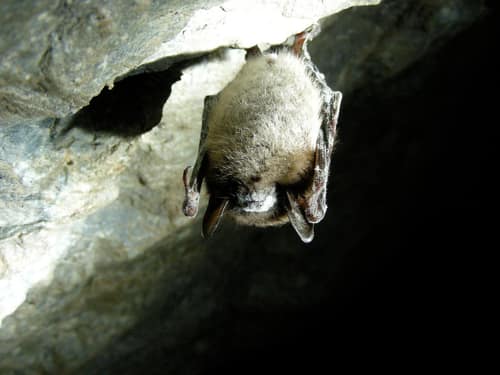
Close Relative "Little brown bat affected by White-nose Syndrome" by U. S. Fish and Wildlife Service - Northeast Region is marked with Public Domain Mark 1.0. To view the terms, visit https://creativecommons.org/publicdomain/mark/1.0/. · cc0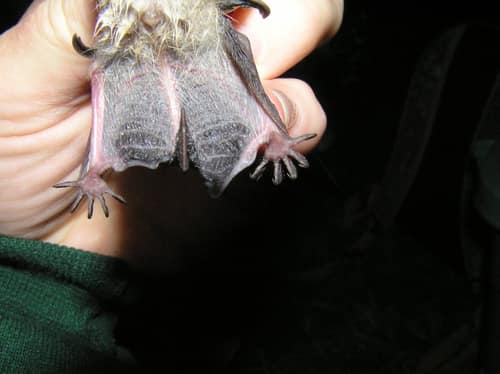
Close Relative (c) Marlo Perdicas, some rights reserved (CC BY), uploaded by Marlo Perdicas · cc-by
Help improve the field guideSomething wrong?
Checking your Fauna account…Report a name, category, or profile issue for review.