
Mammal
Greater Mouse-eared Bat
Myotis myotisAlso known as Mouse-Eared Bat, Large Mouse-Eared Bat
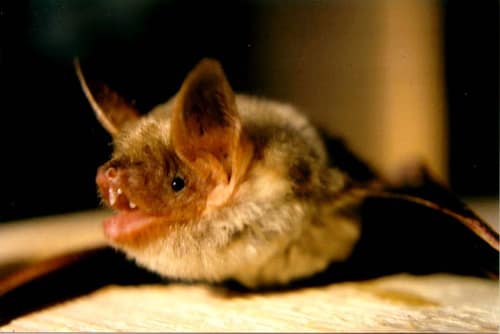
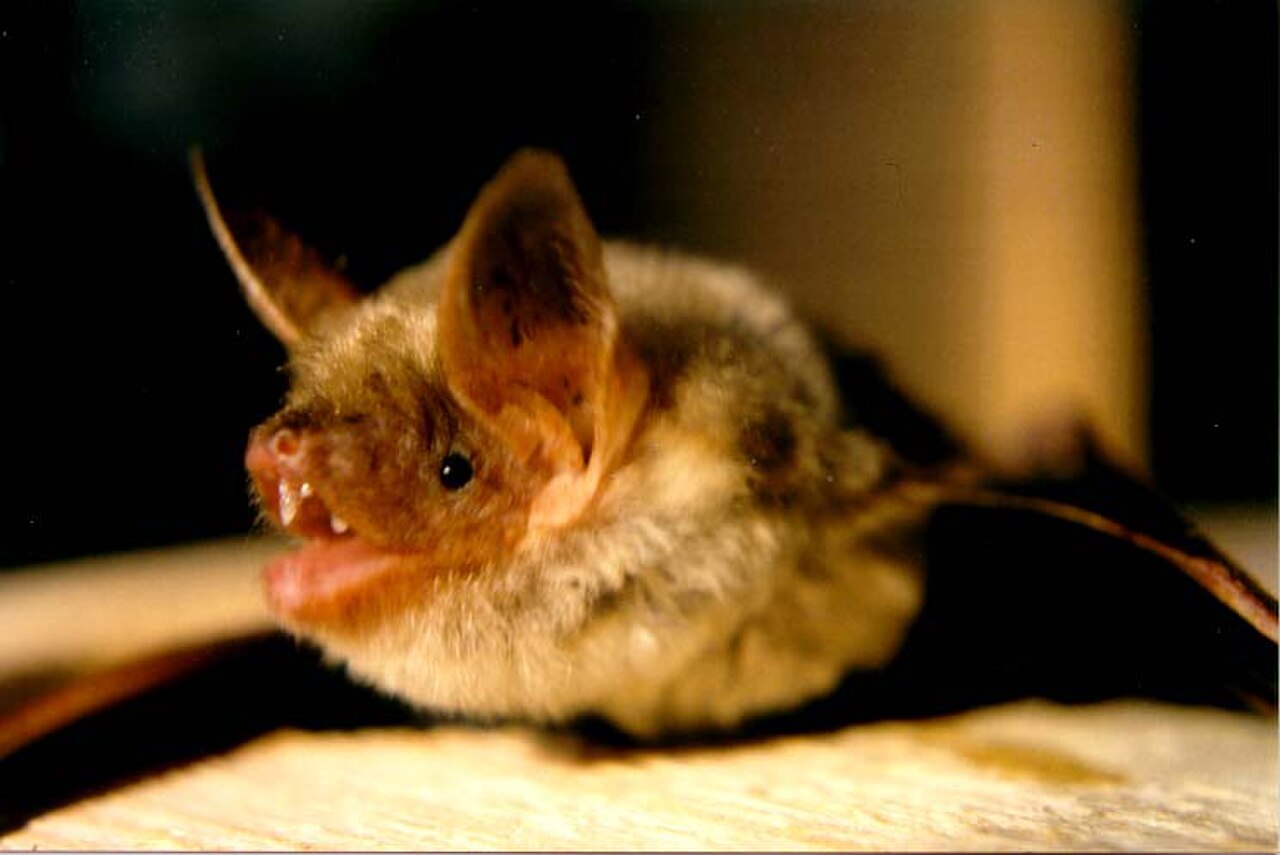
Greater mouse-eared bats are large European microbats that specialize in passive listening, hovering low over the forest floor to detect the rustling footsteps of ground-dwelling arthropods before snatching them off the soil. Females gather in maternal colonies numbering hundreds or thousands in attics, church lofts, and warm cave chambers to birth a single pup each summer. During autumn, males defend mating territories near cave entrances and attract harems using distinctive buzzes and scent marking.
NocturnalMammalInsectivore
—observations
—countries
—peak records
Least ConcernConservation statusIUCN Red List categoriesLCNTVUENCREWEXLeast ConcernRed List categories, explained →
Diet & preyGround beetles, Field crickets, May bugs
Predators
- Barn owl
- Tawny owl
- Stone marten
ThreatsDisturbance of maternity and hibernation roosts, building renovations, and loss of insect-rich feeding grounds
HabitatsDeciduous open woodlands, pastures, karst cave systems, and rural architecture
Life span10–20 years (up to 37 years documented in the wild)
Classification
- FamilyVespertilionidae
- SpeciesMyotis myotis
Native
Interaction riskModerate
- Low
- Moderate
- High
- Very high
- Why interaction risk is moderate
- Can bite defensively and potentially transmit European bat lyssavirus; never touch or handle directly.
- Why it is dangerous
- Carries European bat lyssavirus (EBLV), a rabies-related pathogen transmitted through saliva in defensive bites.
- How to recognize a risky encounter
- Recognized by its large size, broad wings, pale grayish-white belly, reddish-brown back, and long, pointed tragus.
- What to do
- Never touch grounded or roosting bats; contact a licensed wildlife rehabilitator if an injured individual is found.
- What to notice
- Look for large clusters of pale-bellied bats hanging closely together high in vaulted ceilings, attics, or karst caverns.
- Support conservation
- Maintain complete quiet and stay at least ten meters away from roost sites, avoiding any flash photography or artificial lighting.
Responsible observation
- Cave Etiquette: Never enter known bat hibernation caves in winter, as waking wastes critical fat reserves.
- Roost Care: If bats occupy an attic or loft, schedule structural maintenance outside the summer maternity season.
- Safe Viewing: Watch emerging swarms at cave mouths or church towers at dusk without shining bright torches directly on them.
 Image unavailable
Same Genus 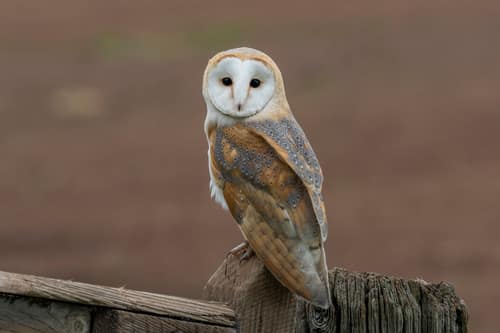
Predator (c) caroline legg, some rights reserved (CC BY) · cc-by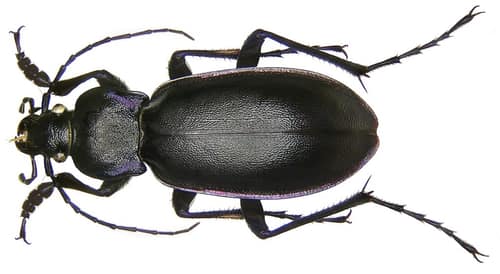
Prey (c) Udo Schmidt, some rights reserved (CC BY-SA) · cc-by-saClose Relative
Help improve the field guideSomething wrong?
Checking your Fauna account…Report a name, category, or profile issue for review.