
Mammal · GBIF taxon 2432314
Evening Bat
Nycticeius humeralisEvening Bats are small brown bats with dark ears and broad hairless wing membranes. They emerge around dusk to hunt flying insects and often use tree cavities or building crevices as summer roosts.
bataerial insectivorecavity roost
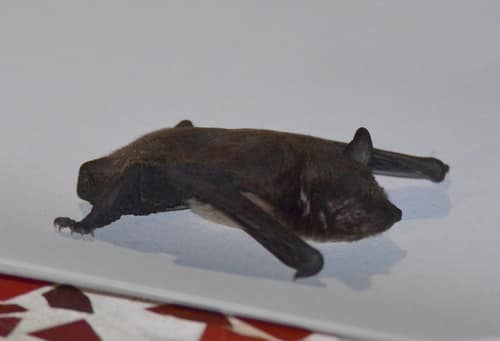
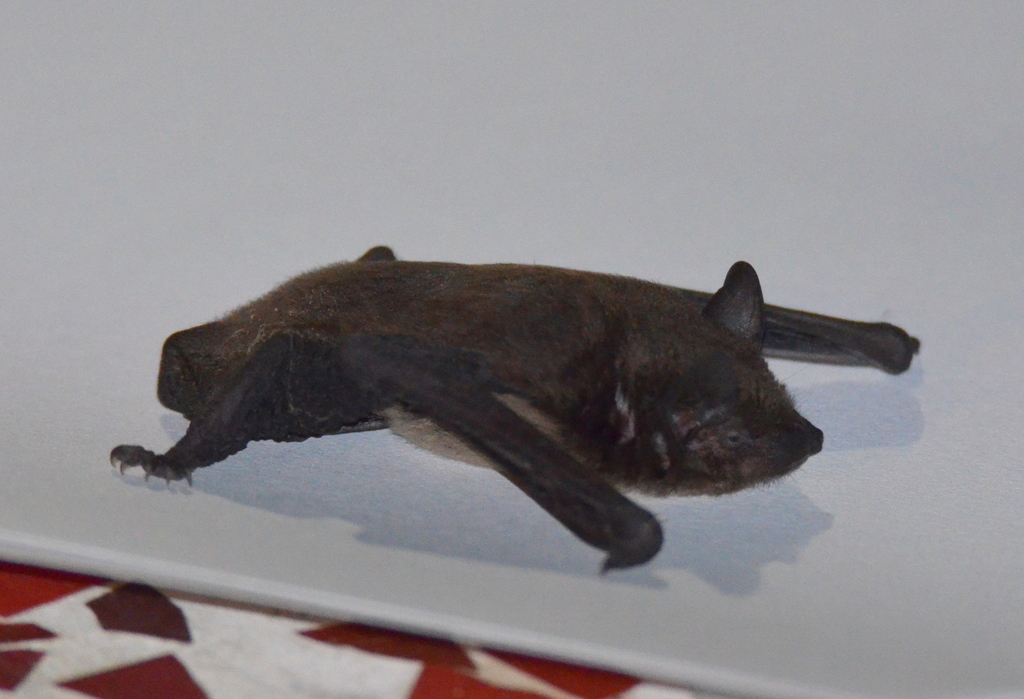 1 / 7
1 / 7—observations
—countries
—peak records
Least ConcernConservation statusIUCN Red List categoriesLCNTVUENCREWEXLeast ConcernRed List categories, explained →
Diet & prey
- beetles
- moths
- flies
Predators
- owls
- hawks
- snakes
ThreatsRoost destruction, pesticides, collisions, habitat loss, and disease
HabitatsForests, wooded wetlands, parks, and developed areas with suitable roost cavities
Life spanSeveral years in the wild, with longevity varying among populations
Size / weightNot available
Classification
- FamilyVespertilionidae
- SpeciesNycticeius humeralis
Native
Interaction riskModerate
- Low
- Moderate
- High
- Very high
- Why interaction risk is moderate
- Any bat can bite when handled and may carry rabies without obvious signs.
- Why it is dangerous
- Direct bat contact can expose people or pets to bites and possible rabies infection.
- How to recognize a risky encounter
- A small plain brown bat cannot be identified safely by unprotected close handling.
- What to do
- Never touch barehanded; isolate the area and contact wildlife or public-health professionals for guidance.
Responsible observation
- Watch: Observe silhouettes at dusk without shining lights into a roost.
- Protect: Keep people and pets away from any grounded or indoor bat.
Help improve the field guideSomething wrong?
Checking your Fauna account…Report a name, category, or profile issue for review.