
Mammal
Giant Ottershrew
Potamogale veloxAlso known as Giant Otter Shrew, Giant African Otter Shrew
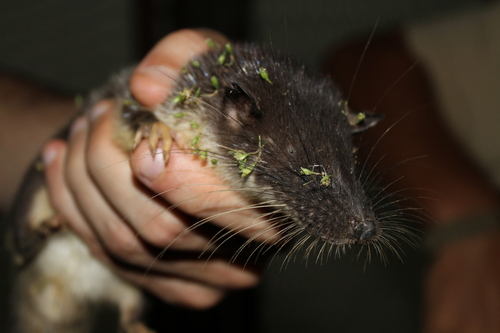
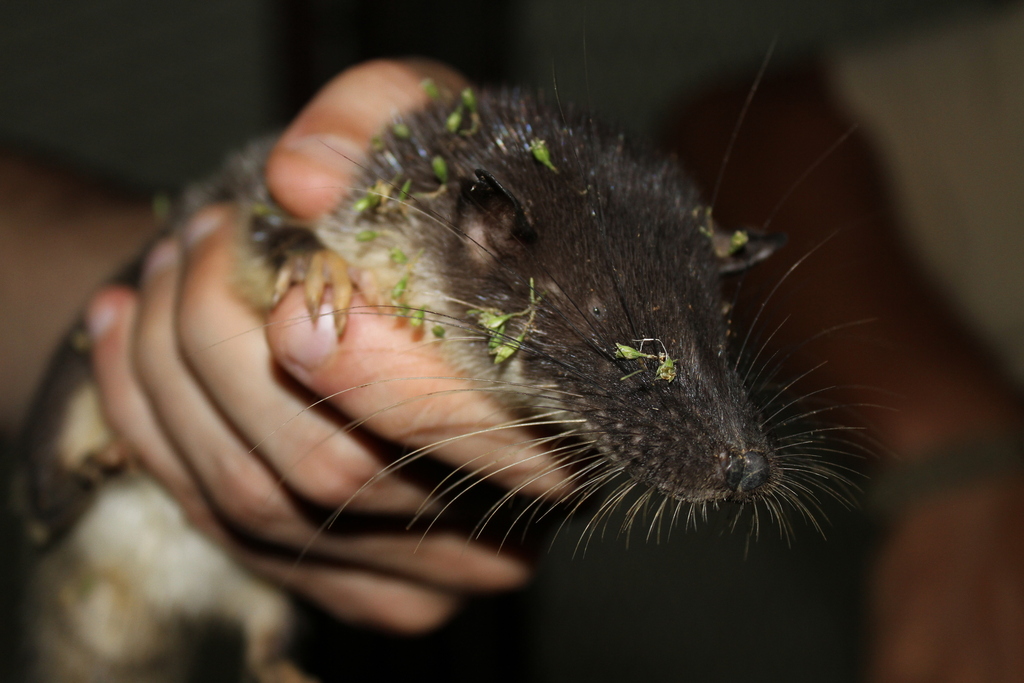
Propelled by a remarkably muscular, laterally compressed tail, the giant ottershrew weaves through equatorial streams with fish-like undulations rather than using webbed feet. Nocturnal and strictly solitary, it patrols murky streambeds using hyper-sensitive facial vibrissae to detect vibrations from aquatic prey before dragging catches ashore to eat. Though morphologically convergent with true otters, its closest evolutionary affinities lie across the Mozambique Channel with the diverse tenrecs of Madagascar.
SemiaquaticNocturnalCarnivorous
—observations
—countries
—peak records
Least ConcernConservation statusIUCN Red List categoriesLCNTVUENCREWEXLeast ConcernRed List categories, explained →
Diet & preyFreshwater Crabs, Catfish, Aquatic Beetles
Predators
- African Fish Eagle
- Slender-snouted Crocodile
- Water Cobra
ThreatsHabitat loss from deforestation, water siltation from agriculture, and accidental drowning in fish traps
HabitatsDense lowland rainforest streams, clear mountain torrents, and forest wetlands
Life spanApproximately 4–6 years
Classification
- FamilyTenrecidae
- SpeciesPotamogale velox
Range data is not available yet.
Interaction riskLow
- Low
- Moderate
- High
- Very high
- Why interaction risk is low
- Capable of delivering a sharp defensive bite if cornered; observe quietly from riverbanks.
- Why it is dangerous
- Possesses sharp, needle-like dentition adapted for crushing tough crab carapaces, capable of inflicting deep puncture wounds.
- How to recognize a risky encounter
- Distinguished by dark velvety brown fur, white underparts, long sensory whiskers, and a distinctive vertically flattened tail.
- What to do
- Never attempt to catch or handle an animal found near water or trapped in fishing gear; allow it an open retreat path.
Responsible observation
- Night Spotting: Look for reflective eye-shine along quiet forest pools using a red-beam flashlight after dusk.
- Listen for Splashes: Listen for sudden, sharp splashing near stream banks, which signals an active crab hunt.
- Stream Etiquette: Keep a respectful distance from natural bank burrows to prevent collapsing fragile shoreline tunnels.
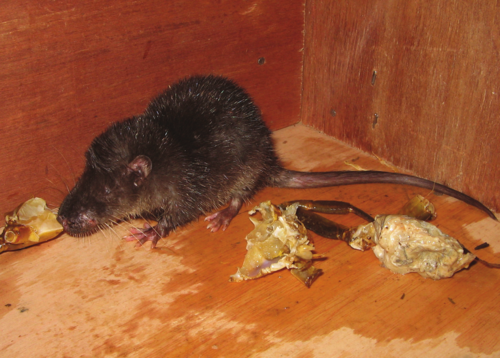
Close Relative (c) Photo: © A. Monadjem, some rights reserved (CC BY-SA) · cc-by-sa
Close Relative (c) Unknown author, some rights reserved (CC BY-SA) · cc-by-sa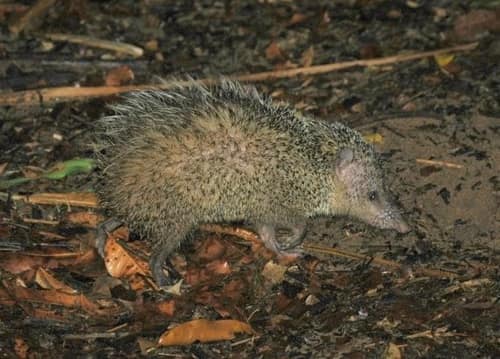
Same Family (c) Nick Block, some rights reserved (CC BY), uploaded by Nick Block · cc-by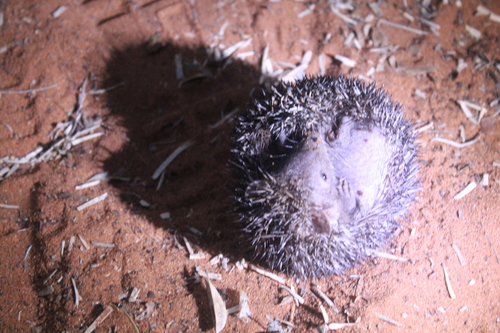
Same Family (c) Michael A. Alcorn, some rights reserved (CC BY), uploaded by Michael A. Alcorn · cc-by
Help improve the field guideSomething wrong?
Checking your Fauna account…Report a name, category, or profile issue for review.