
Amphibian · GBIF taxon 2432022
Pacific Giant Salamander
Dicamptodon tenebrosusAlso known as Coastal Giant Salamander
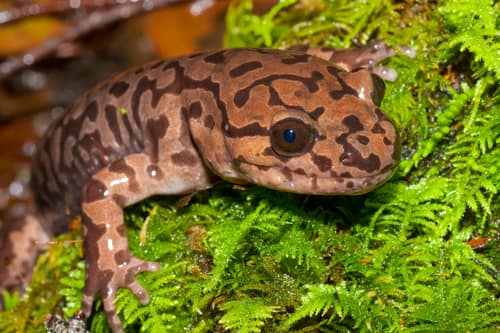
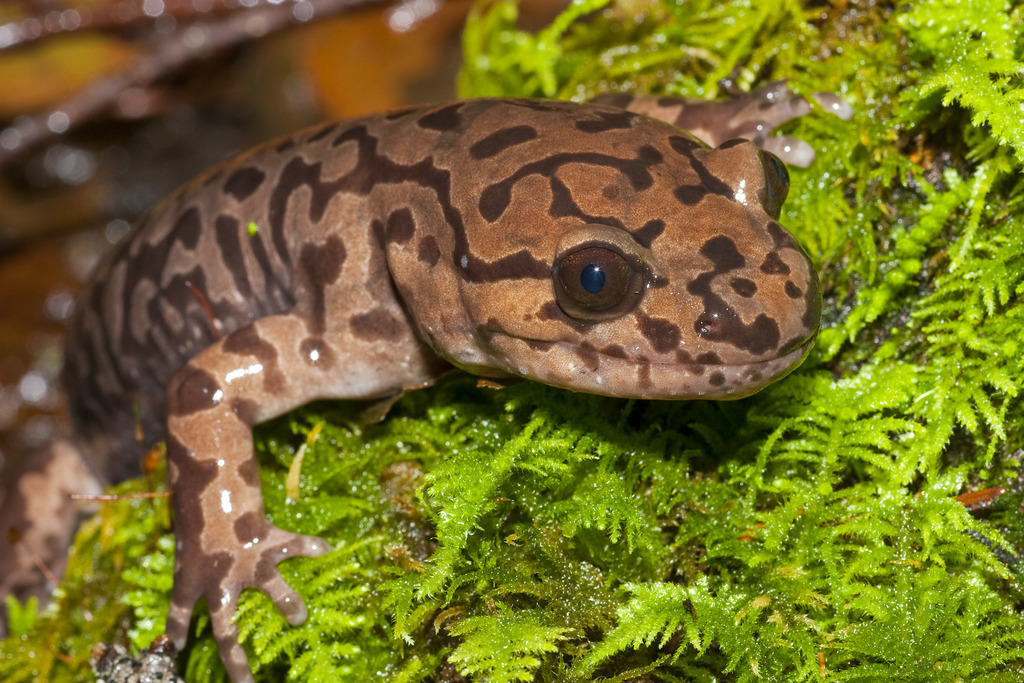
The Pacific Giant Salamander is a heavy-bodied, marbled amphibian with a broad head and strong limbs. Aquatic larvae live in cool forest streams, while transformed adults shelter in damp forest and may vocalize when disturbed.
Forest StreamLarge SalamanderMoist Forest
 1 / 7
1 / 7—observations
—countries
—peak records
Least ConcernConservation statusIUCN Red List categoriesLCNTVUENCREWEXLeast ConcernRed List categories, explained →
Diet & prey
- Aquatic insects
- Crayfish
- Small fish
Predators
- Trout
- Water shrews
- Garter snakes
ThreatsStream warming, sedimentation, forest removal, road building, drought, and water pollution
HabitatsCold forest streams, seeps, moist conifer forest, riparian cover, and decaying logs
Life spanLikely more than a decade; exact wild longevity remains poorly documented
Size / weightNot available
Classification
- OrderCaudata
- FamilyAmbystomatidae
- GenusDicamptodon
- SpeciesDicamptodon tenebrosus
Range data is not available yet.
Interaction riskLow
- Low
- Moderate
- High
- Very high
- Why interaction risk is low
- Large adults can deliver a painful bite; never handle or place hands near the head.
- Why it is dangerous
- A large defensive adult has strong jaws and can bite hard enough to break human skin.
- How to recognize a risky encounter
- Confirm the broad head, heavy body, and irregular dark marbling without lifting the animal.
- What to do
- Never pick up or restrain the salamander; withdraw hands and let it retreat without obstruction.
Responsible observation
- Look: Search clear streams from the bank without moving cover.
- Identify: Notice the broad head and irregular dark marbling.
- Protect: Keep hands, sunscreen, and sediment out of occupied water.
Help improve the field guideSomething wrong?
Checking your Fauna account…Report a name, category, or profile issue for review.