
Amphibian · GBIF taxon 2432020
California Giant Salamander
Dicamptodon ensatusAlso known as California Pacific Giant Salamander
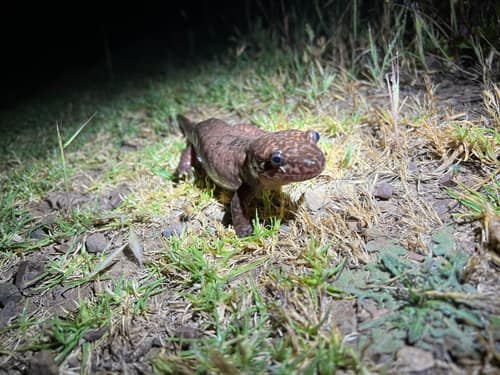
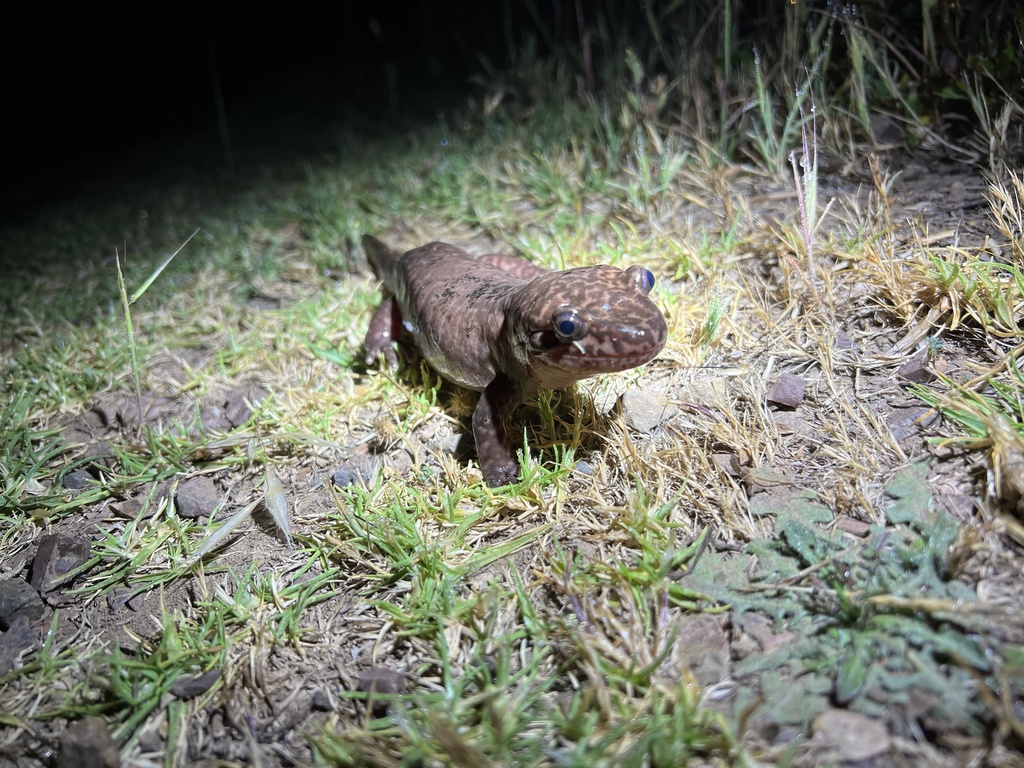
California giant salamanders rank among the largest terrestrial salamanders in North America, capable of emitting a distinct vocal bark when startled. Terrestrial adults prowl damp redwood forest floors under cover of darkness, while some neotenic individuals remain fully aquatic larvae throughout adulthood in cool mountain streams. Powerful jaws equipped with sharp teeth allow them to overpower prey ranging from large invertebrates to small mice.
AmphibianEndemicNocturnal
—observations
—countries
—peak records
Near ThreatenedConservation statusIUCN Red List categoriesLCNTVUENCREWEXNear ThreatenedRed List categories, explained →
Diet & prey
- Slugs
- Earthworms
- Pacific treefrogs
Predators
- Garter snakes
- Water shrews
- Raccoons
ThreatsSiltation of breeding streams, timber harvesting, habitat fragmentation, severe drought
HabitatsMoist coastal redwood forests, Douglas-fir woodlands, cool headwater streams
Life span15–20 years
Size / weightNot available
Classification
- FamilyAmbystomatidae
- SpeciesDicamptodon ensatus
Range data is not available yet.
Interaction riskLow
- Low
- Moderate
- High
- Very high
- Why interaction risk is low
- Capable of delivering a painful bite with sharp teeth if cornered; observe without touching.
- Why it is dangerous
- Possesses powerful jaw muscles and sharp teeth capable of inflicting a painful defensive bite that breaks skin.
- How to recognize a risky encounter
- Recognized by its thick body, dark marbling pattern, wide head, and large size up to 30 cm.
- What to do
- Observe from a safe distance and never attempt to pick up or corner wild individuals.
- What to notice
- Look for copper-marbled skin under damp redwood leaf litter or near clear forest streams.
- Support conservation
- Avoid disturbing stream beds or turning logs in sensitive watershed breeding habitats.
Responsible observation
- Stream search: Look under submerged rocks or stream debris in coastal forests during wet seasons.
- Listen closely: Listen for a soft barking sound, a rare vocal response among salamanders when surprised.
- Avoid handling: Preserve fragile skin mucosal layers and protect yourself from a sudden bite.
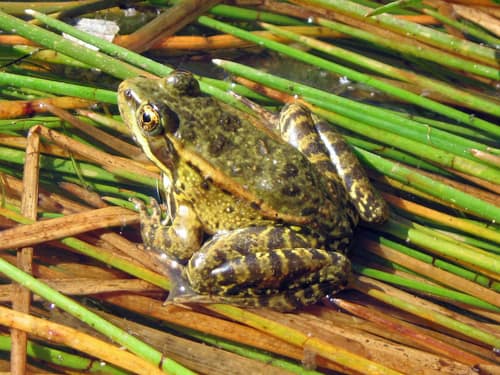
Ecological Neighbor (c) Greg Schechter, some rights reserved (CC BY) · cc-by
Close Relative (c) Chris Brown, some rights reserved (CC BY), uploaded by Chris Brown · cc-by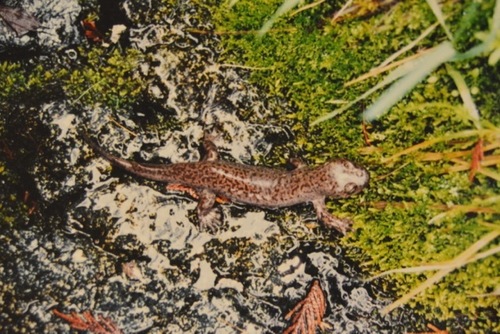
Close Relative (c) Jeremiah Degenhardt, some rights reserved (CC BY), uploaded by Jeremiah Degenhardt · cc-by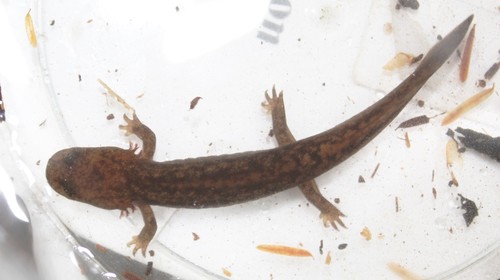
Close Relative (c) 66dodge, some rights reserved (CC BY) · cc-by
Help improve the field guideSomething wrong?
Checking your Fauna account…Report a name, category, or profile issue for review.