
Amphibian
Streamside Salamander
Ambystoma barbouriAlso known as Barbour's Salamander
Streamside salamanders diverge from most mole salamanders by breeding in shallow, fishless headwater streams rather than vernal pools. Adults migrate to rocky streams in late winter, attaching single layers of eggs to the undersides of limestone slabs to protect them from downstream currents. Outside the aquatic breeding window, they lead secretive subterranean lives, burrowing deep beneath leaf litter and rotting logs in deciduous woodlands.
AmphibianNocturnalStream Dweller
—observations
—countries
—peak records
Near ThreatenedConservation statusIUCN Red List categoriesLCNTVUENCREWEXNear ThreatenedRed List categories, explained →
Diet & preyEarthworms, Aquatic Isopods, Mayfly Larvae
Predators
- Green Sunfish
- Northern Watersnake
- Raccoon
ThreatsSiltation, agricultural runoff, deforestation, and stream canalization
HabitatsDeciduous hardwood forests and limestone headwater streams
Life span5–10 years
Classification
- FamilyAmbystomatidae
- SpeciesAmbystoma barbouri
Range data is not available yet.
Interaction riskLow
- Low
- Moderate
- High
- Very high
- Why interaction risk is low
- Safe to observe at a normal distance.
- What to notice
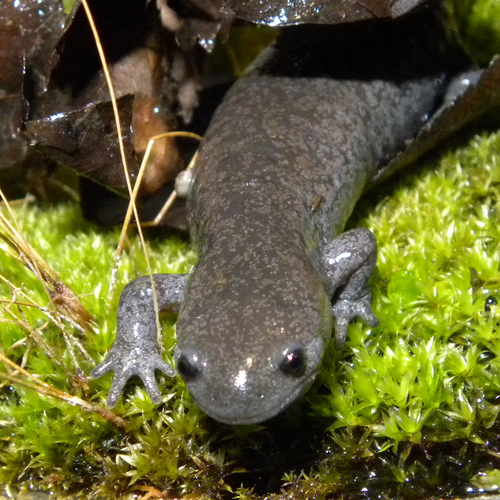
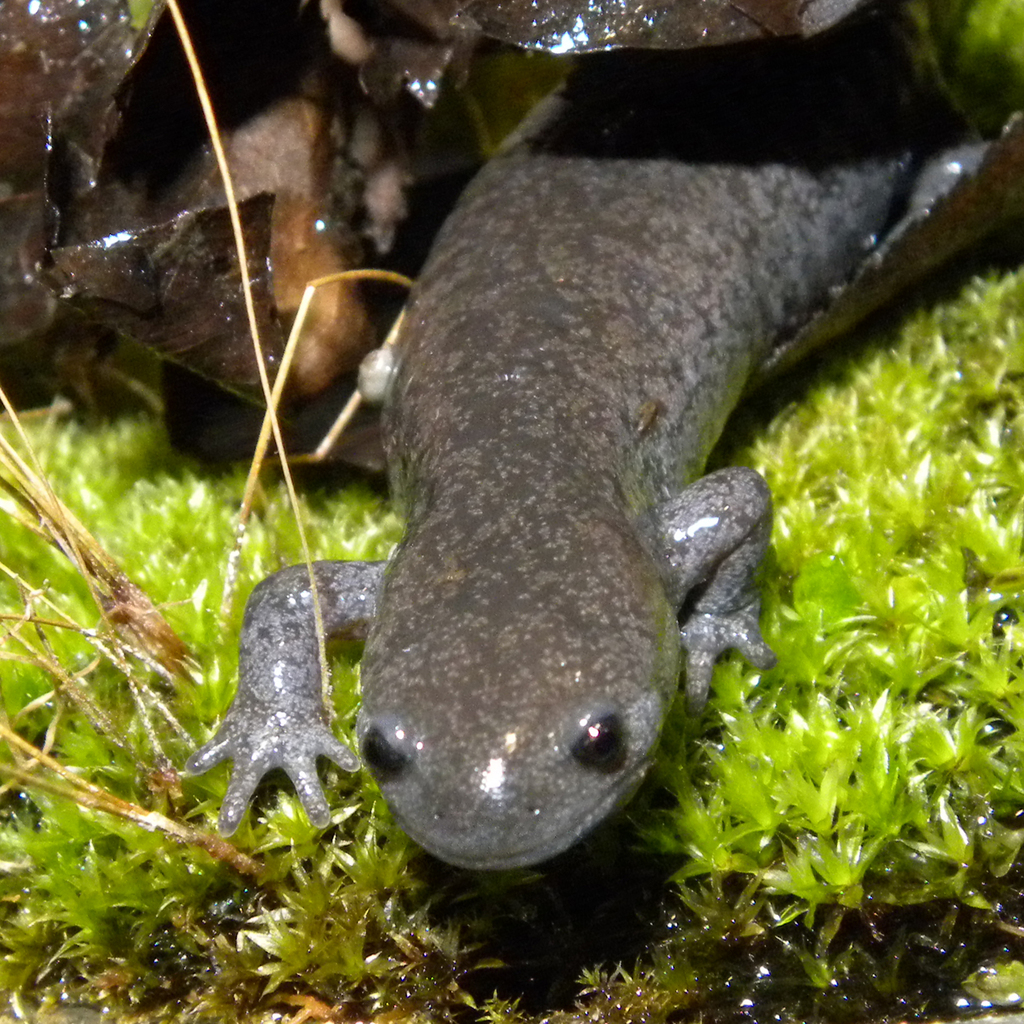
- Look for a stocky, dark grey to brownish-black salamander with faint pale flecking and a noticeably small head along limestone stream beds.
- Support conservation
- Observe adults visually without moving in-stream stones, as disturbing cover rocks can destroy developing egg masses.
Responsible observation
- Best Viewing Season: Search rocky, fishless stream beds on rainy nights between December and March.
- Rock Flipping: Avoid lifting flat stream rocks where females adhere their fragile egg clutches.
- Handle With Care: Amphibian skin readily absorbs chemical residues, so keep hands clean and wet if handling.
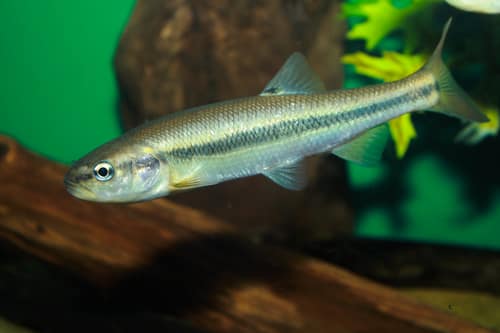
Predator "Creek Chub, Semotilus atromaculatus" by brian.gratwicke is licensed under CC BY 2.0. To view a copy of this license, visit https://creativecommons.org/licenses/by/2.0/. · cc-by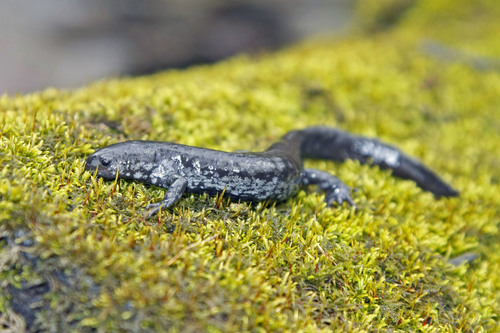
Close Relative (c) Marlo Perdicas, some rights reserved (CC BY), uploaded by Marlo Perdicas · cc-by
Same Family D. Gordon E. Robertson / CC BY-SA 3.0 · cc-by-sa
Help improve the field guideSomething wrong?
Checking your Fauna account…Report a name, category, or profile issue for review.