
Amphibian · GBIF taxon 2431978
Western Tiger Salamander
Ambystoma mavortiumAlso known as Barred Tiger Salamander, Western Barred Tiger Salamander
Western tiger salamanders spend most of their lives hidden underground in rodent burrows, emerging primarily on rainy nights to hunt and migrate. Adults feature striking yellow or olive bars and blotches across a dark background, making each individual visually unique. Larvae are voracious aquatic predators with feathery external gills, sometimes remaining in a fully aquatic, sexually mature neotenic form when water bodies persist year-round.
AmphibianBurrowingNocturnal
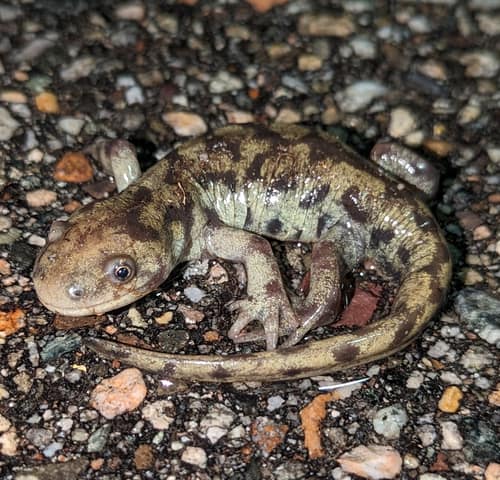
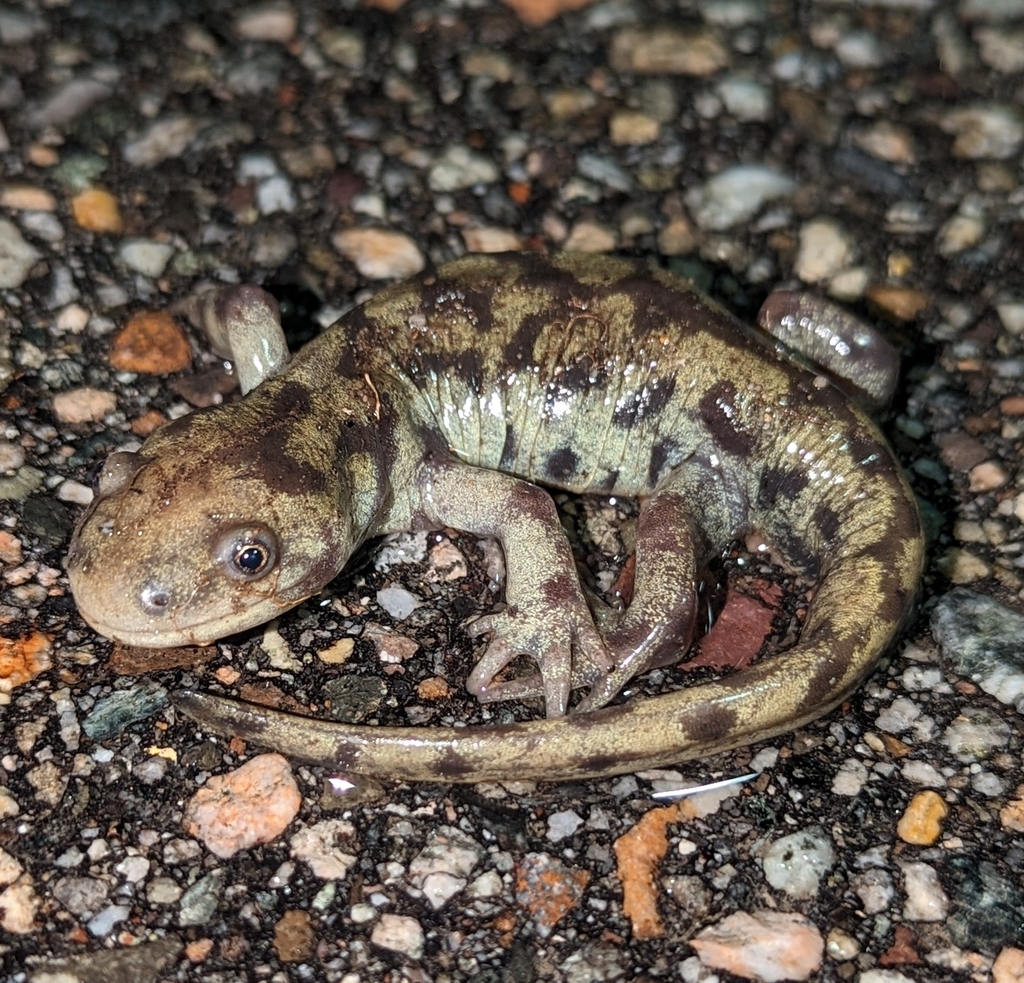
—observations
—countries
—peak records
Least ConcernConservation statusIUCN Red List categoriesLCNTVUENCREWEXLeast ConcernRed List categories, explained →
Diet & prey
- Earthworms
- Aquatic Insects
- Tadpoles
Predators
- Garter Snakes
- Herons
- American Bullfrogs
ThreatsHabitat loss, road mortality, invasive fish, chytrid fungus
HabitatsGrasslands, sagebrush scrub, open woodlands, prairie ponds
Life span12–20 years
Size / weightNot available
Classification
- FamilyAmbystomatidae
- SpeciesAmbystoma mavortium
Range data is not available yet.
Interaction riskLow
- Low
- Moderate
- High
- Very high
- Why interaction risk is low
- Safe to observe at a normal distance; avoid touching to protect delicate amphibian skin.
Responsible observation
- Night Searches: Look around stock ponds and prairie pools after warm spring rainstorms.
- Handling Precaution: Keep hands moist and free of lotions or repellents if brief handling is required.
- Roadside Crossing: Drive cautiously near prairie wetlands on wet spring nights.
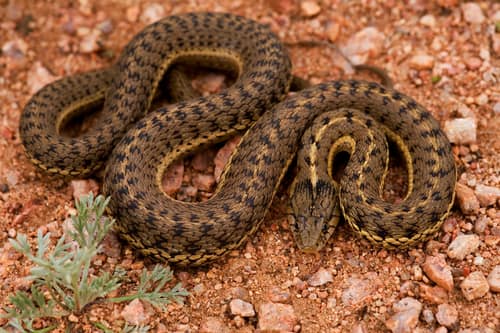
Predator no rights reserved · cc0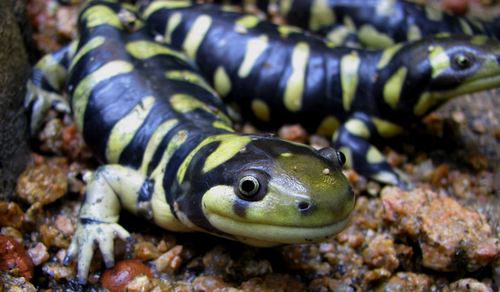
Close Relative Carla Isabel Ribeiro / CC BY-SA 3.0 · cc-by-sa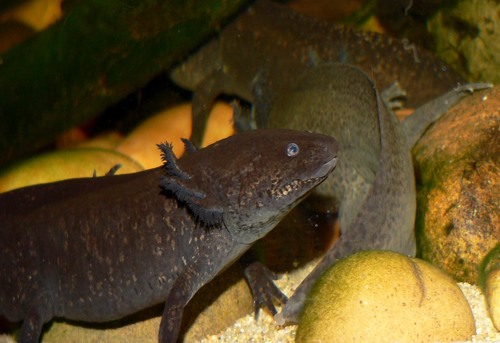
Close Relative (c) Stan Shebs, some rights reserved (CC BY-SA) · cc-by-sa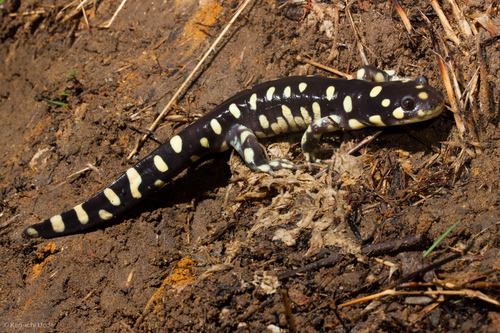
Close Relative (c) Ken-ichi Ueda, some rights reserved (CC BY) · cc-by
Help improve the field guideSomething wrong?
Checking your Fauna account…Report a name, category, or profile issue for review.