
Amphibian
Long-toed Salamander
Ambystoma macrodactylumLong-toed salamanders spend much of their adult lives hidden underground in small mammal tunnels or sheltered under moist, decaying logs. Early in spring, often while snow still blankets forest margins, adults migrate overland to fishless ponds and vernal pools to deposit gelatinous egg clusters on submerged twigs. When confronted by a predator, an individual arches its back and thrashes its tail, exuding a noxious, milky secretion from specialized tail glands to deter attack.
AmphibianNocturnalSubterranean
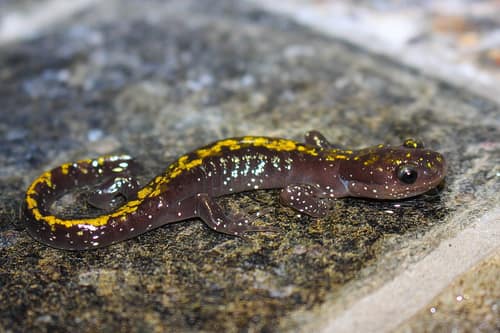
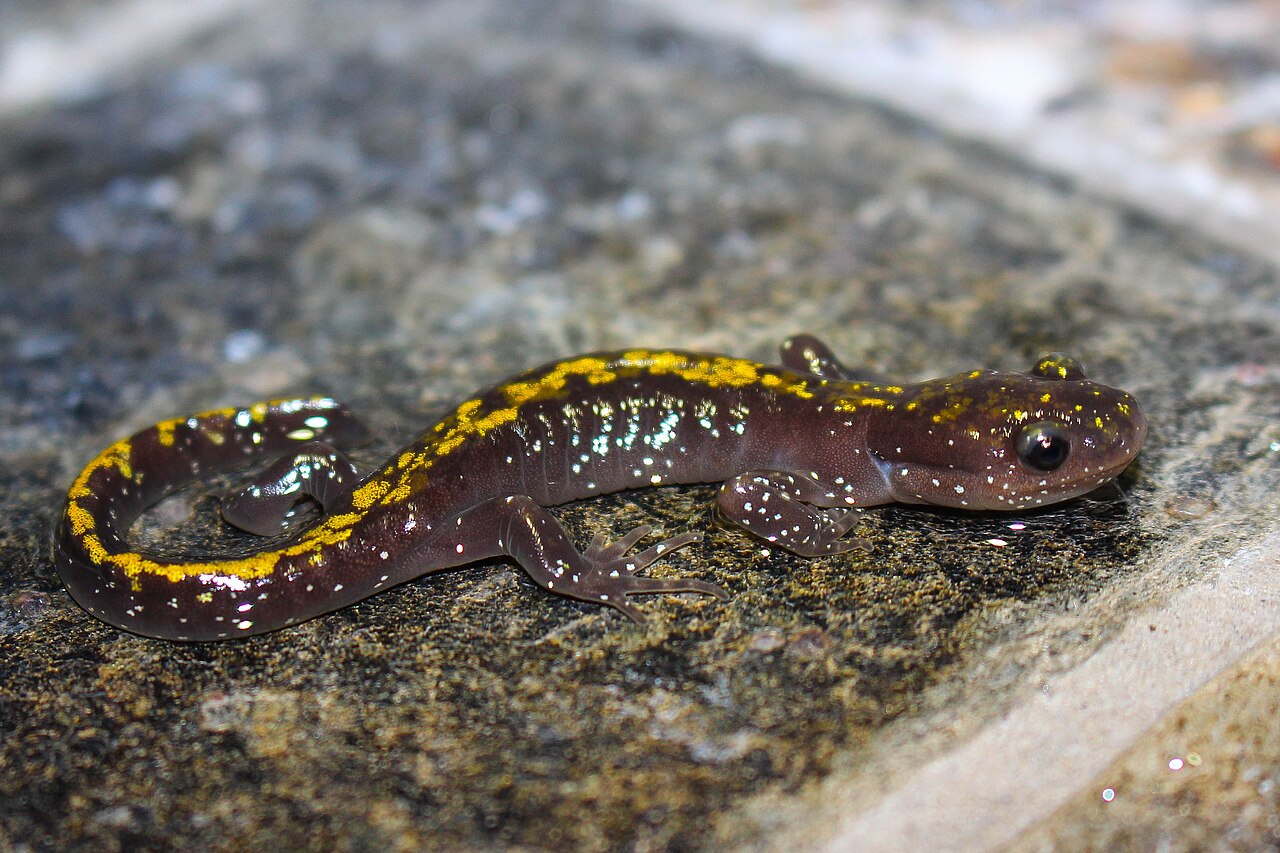
—observations
—countries
—peak records
Least ConcernConservation statusIUCN Red List categoriesLCNTVUENCREWEXLeast ConcernRed List categories, explained →
Diet & preyEarthworms, Midges, Ground beetles
Predators
- Garter snakes
- Introduced trout
- Aquatic beetle larvae
ThreatsIntroduced predatory fish, wetland destruction, road mortality during migration, and chytrid fungus
HabitatsConiferous forests, alpine meadows, sagebrush plains, and vernal pools
Life span6–10 years
Classification
- OrderCaudata
- FamilyAmbystomatidae
- GenusAmbystoma
- SpeciesAmbystoma macrodactylum
Range data is not available yet.
Interaction riskLow
- Low
- Moderate
- High
- Very high
- Why interaction risk is low
- Safe to observe at a normal distance.
Responsible observation
- Seasonal searches: Look beneath fallen rotting logs and rocks near fish-free ponds during spring rains.
- Protect delicate skin: Keep hands moist and free of insect repellent or hand lotions if touching is unavoidable.
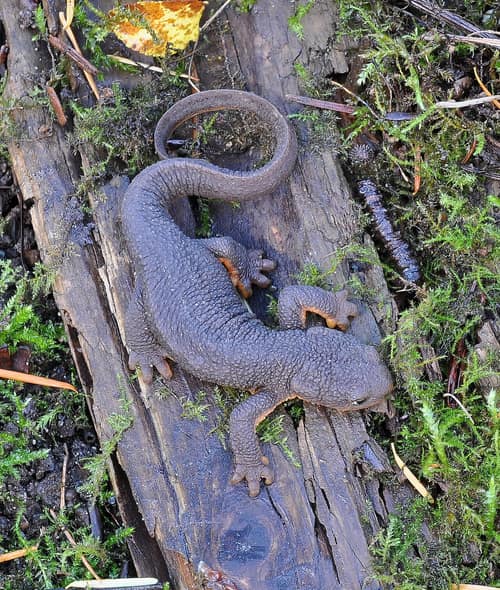
Competitor The High Fin Sperm Whale / CC BY-SA 3.0 · cc-by-sa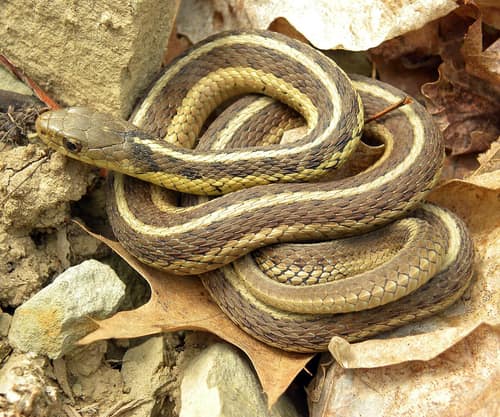
Predator Wilson44691 / Public domain · cc0
Close Relative Adam Cushen / CC BY 4.0 · cc-by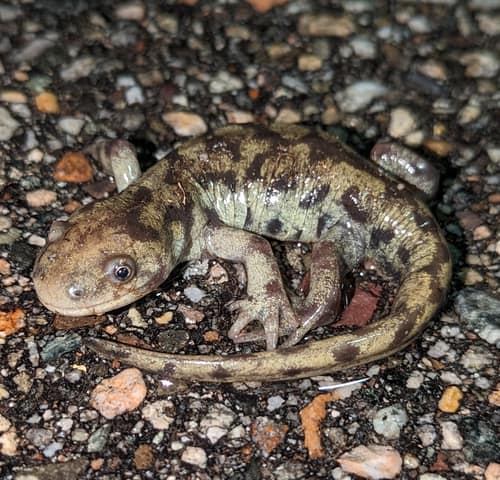
Close Relative no rights reserved, uploaded by Ben Keen · cc0
Help improve the field guideSomething wrong?
Checking your Fauna account…Report a name, category, or profile issue for review.