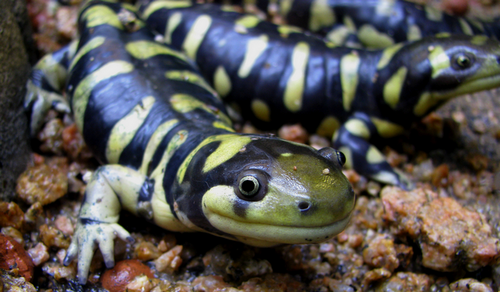
Also known as Mountain Stream Siredon, Michoacan Stream Salamander
Mountain stream salamanders inhabit cold, fast-flowing mountain torrents winding through high-altitude pine and fir forests in central Mexico. While some individuals transform into terrestrial adults that shelter beneath mossy stones and fallen logs along the water's edge, many remain paedomorphic, keeping external feathery gills throughout their adult lives in clear mountain pools. Their survival depends on pristine, oxygen-rich waters, making them highly vulnerable to water diversion, pollution, and the introduction of predatory trout.
ThreatsWater diversion, stream siltation, deforestation, and non-native trout predation
HabitatsCold high-elevation streams, fir and pine-oak mountain forests
Life span10–15 years
Classification
FamilyAmbystomatidae
SpeciesAmbystoma altamirani
Range & activity
Range data is not available yet.
Safe observation
Interaction riskLow
Low
Moderate
High
Very high
Why interaction risk is low
Safe to observe at a normal distance.
What to notice
Recognized by its dark purplish-gray to brown body, prominent costal grooves, and either external bushy gills or a stout terrestrial build near mountain streams.
Support conservation
Observe from dry streambanks without stepping into running water or shifting rocks, which destroys fragile egg nests and microhabitats.
Responsible observation
Look closely: Search clear, slow-moving eddies and stream pools beneath undercut banks and submerged logs.
Preserve water purity: Never wash gear, apply sunscreen, or leave trash near pristine montane streams.
Do not handle: Amphibian skin absorbs toxins from hands, and physical handling disrupts protective mucus.

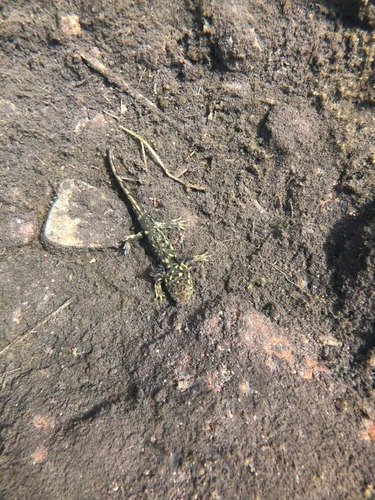
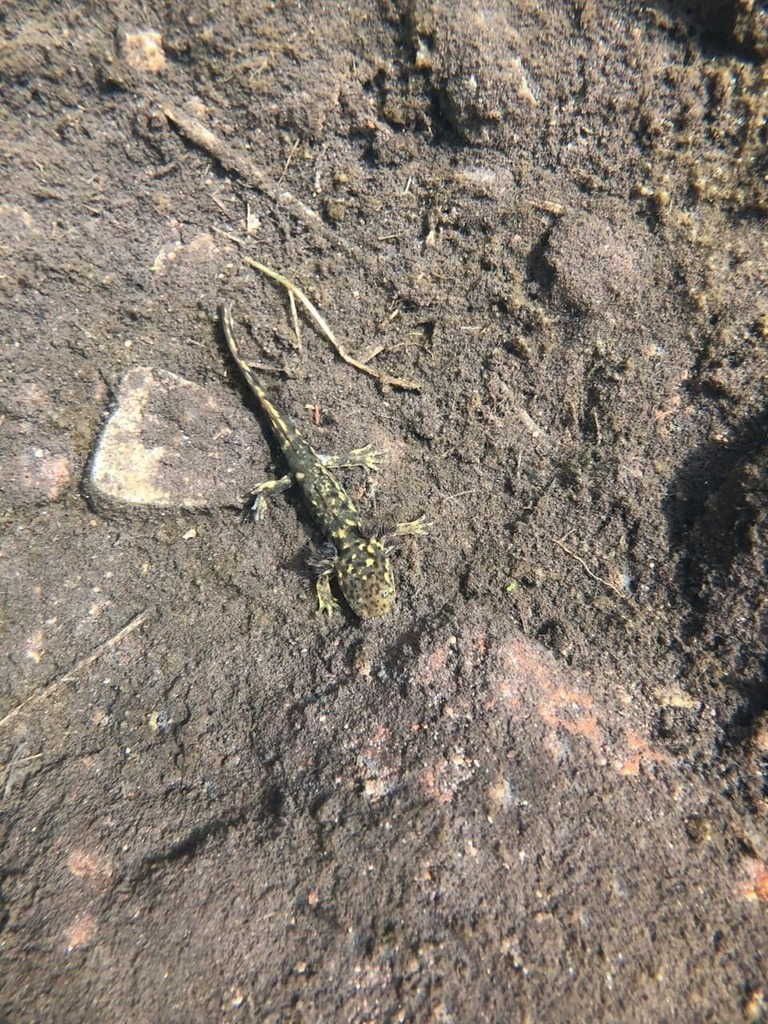
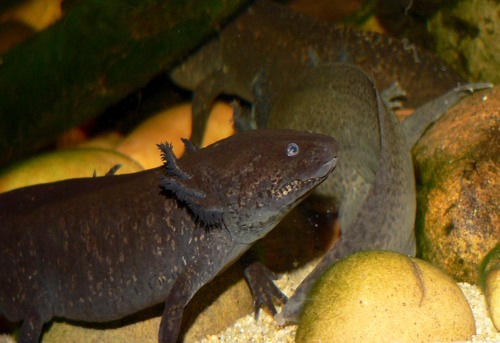
 Image unavailable