
Amphibian · GBIF taxon 2431920
Rough-skinned Newt
Taricha granulosaAlso known as Roughskin Newt
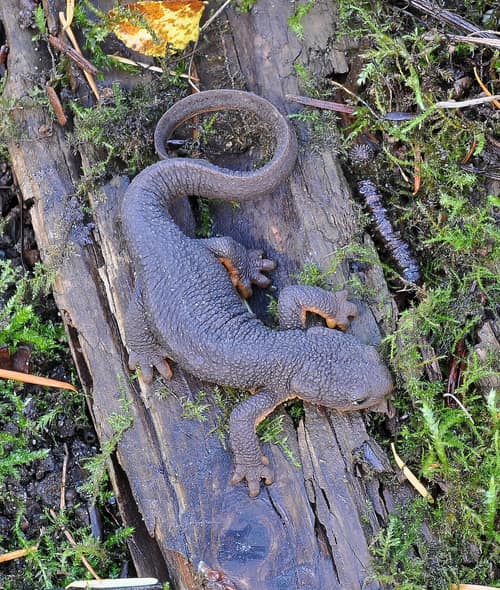
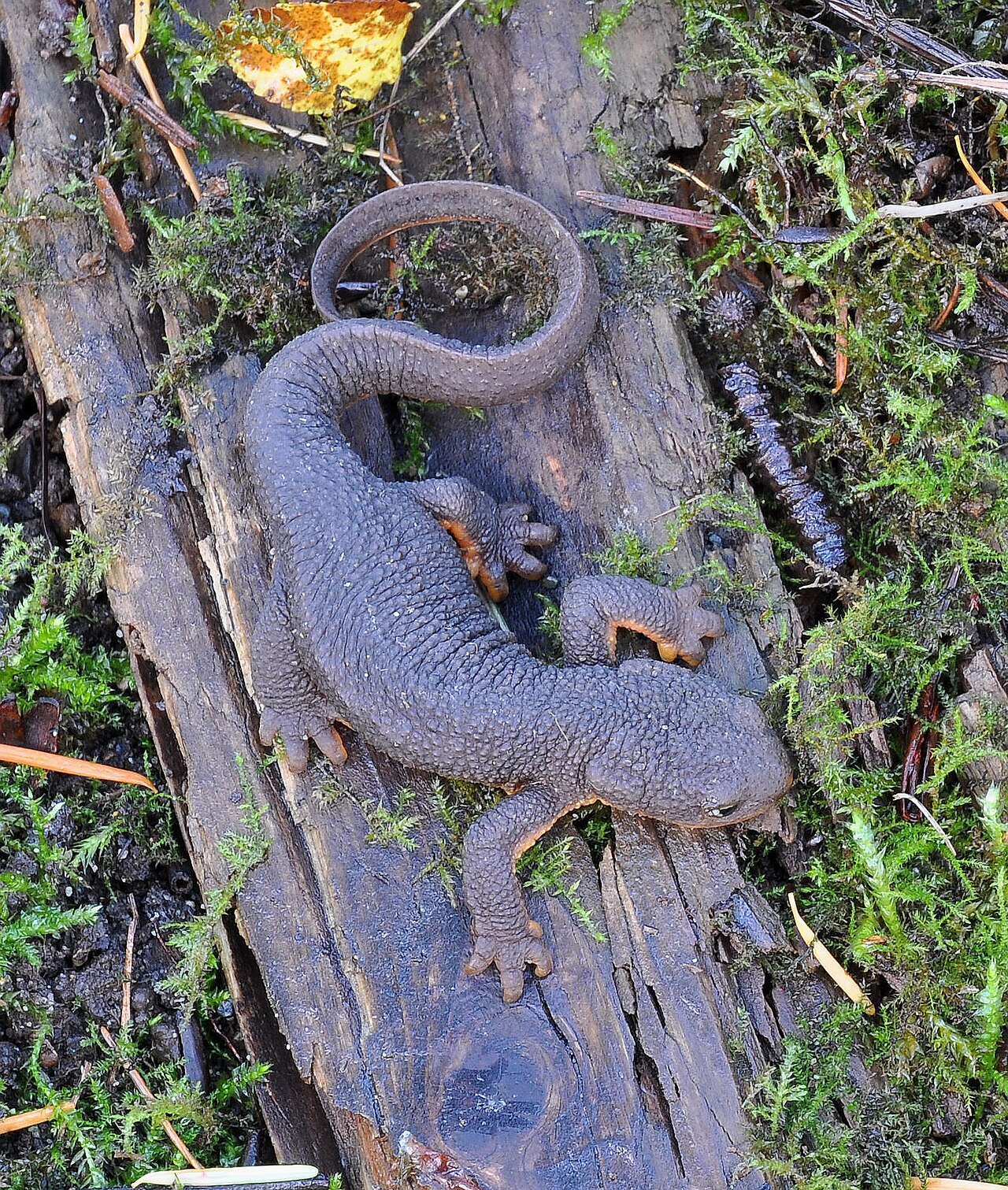
Rough-skinned newts are renowned for secreting tetrodotoxin, a neurotoxin so potent that a single adult carries enough poison to harm multiple humans if eaten. During spring breeding, adults migrate from damp coastal forests into quiet ponds where males develop smooth, rubbery skin and flattened tails for swimming. When threatened on land, they flash a dramatic defensive display by arching their back to reveal a vivid orange warning belly.
ToxicAmphibianPacific Coast
—observations
—countries
—peak records
Least ConcernConservation statusIUCN Red List categoriesLCNTVUENCREWEXLeast ConcernRed List categories, explained →
Diet & prey
- Insect Larvae
- Aquatic Snails
- Earthworms
Predators
- Common Garter Snake
ThreatsHabitat fragmentation, road mortality, water pollution
HabitatsConiferous forests, damp woodlands, ponds, lakes, slow streams
Life span12–18 years
Size / weightNot available
Classification
- FamilySalamandridae
- SpeciesTaricha granulosa
Range data is not available yet.
Interaction riskHigh
- Low
- Moderate
- High
- Very high
- Why interaction risk is high
- Skin secretes deadly tetrodotoxin; never ingest and wash hands thoroughly after any accidental contact.
- Why it is dangerous
- Skin secretes deadly tetrodotoxin (TTX), a neurotoxin that blocks sodium channels and causes paralysis or fatal respiratory failure if ingested.
- How to recognize a risky encounter
- Look for a granular, dark brown to olive back sharply contrasting with a bright yellow or orange belly.
- What to do
- Observe without handling, and thoroughly wash hands with soap immediately if accidental contact occurs.
Responsible observation
- Handling Precaution: Always wash hands immediately with soap and water after handling to prevent toxin transfer to eyes or mouth.
- Road Crossings: Watch for migrating newts on wet forest roads during autumn and spring rainy nights.
- Recognizing Defense: Observe from a distance if a newt arches its back to show its bright orange underside.
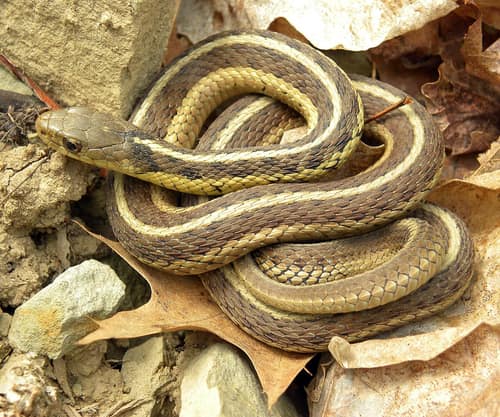
Predator Wilson44691 / Public domain · cc0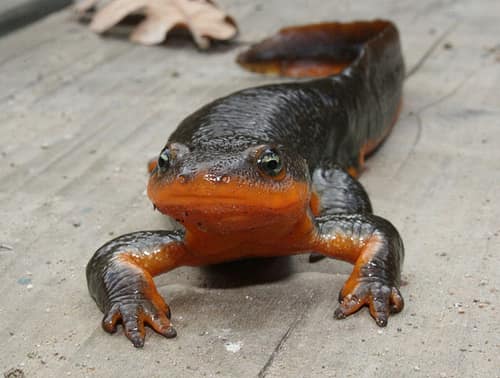
Close Relative Yostkr / CC BY-SA 3.0 · cc-by-sa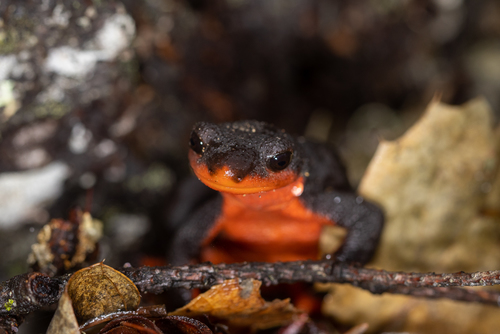
Close Relative (c) Michael Eisen, some rights reserved (CC BY) · cc-by
Help improve the field guideSomething wrong?
Checking your Fauna account…Report a name, category, or profile issue for review.