
Amphibian · GBIF taxon 2431862
Japanese Fire-bellied Newt
Cynops pyrrhogasterAlso known as Japanese Fire-bellied Salamander, Red-bellied Newt
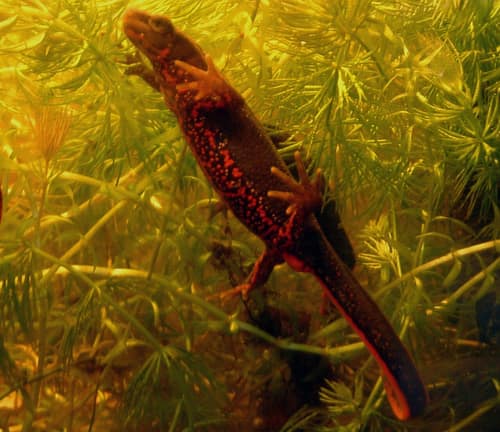
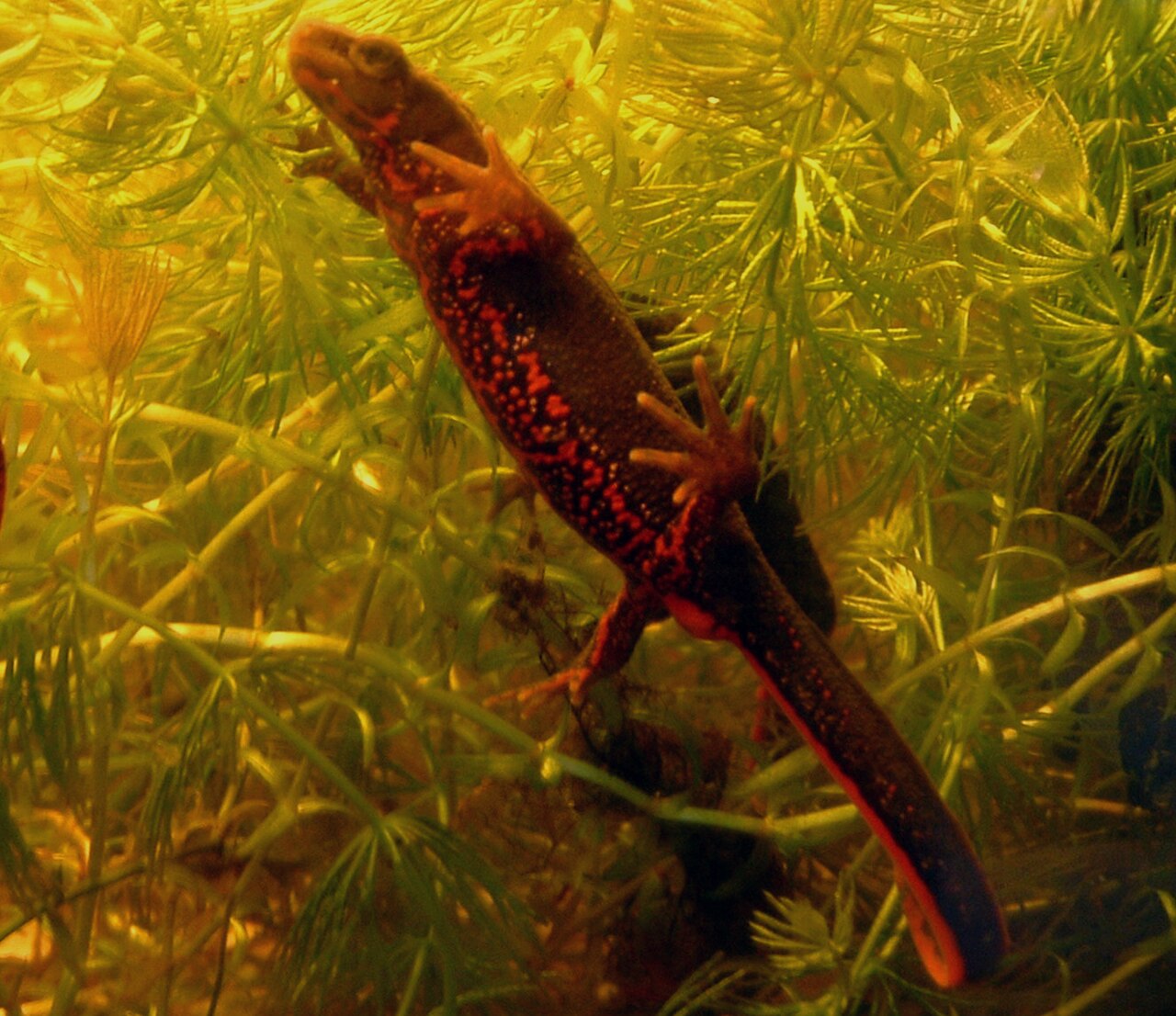
Japanese fire-bellied newts inhabit still-water ponds, flooded rice paddies, and slow streams across the Japanese archipelago. Their dramatic crimson bellies display warning coloration that signals to predators the presence of potent tetrodotoxin within their skin. During the spring breeding season, males perform an elaborate courtship display by fanning their flattened tails toward females to push stimulating pheromones across the water.
AmphibianToxicEndemic
—observations
—countries
—peak records
Near ThreatenedConservation statusIUCN Red List categoriesLCNTVUENCREWEXNear ThreatenedRed List categories, explained →
Diet & prey
- Mosquito larvae
- Aquatic worms
- Small crustaceans
Predators
- Snakes
- Herons
- Larger fish
ThreatsHabitat loss, water pollution, agricultural runoff, invasive species
HabitatsPonds, rice paddies, ditches, slow streams, mountain forests
Life span15–20 years
Size / weightNot available
Classification
- FamilySalamandridae
- SpeciesCynops pyrrhogaster
Range data is not available yet.
Interaction riskHigh
- Low
- Moderate
- High
- Very high
- Why interaction risk is high
- Skin secretes lethal tetrodotoxin; never ingest and wash hands thoroughly after any contact.
- Why it is dangerous
- Secretes tetrodotoxin, a neurotoxin that blocks sodium channels, causing numbness, paralysis, and respiratory failure if ingested.
- How to recognize a risky encounter
- Dark, rough upper body contrasting sharply with a vibrant orange-red belly mottled with dark spots.
- What to do
- Do not touch with bare hands, keep away from domestic pets, and wash skin thoroughly after accidental contact.
- What to notice
- Recognized by its dark bumpy back and red belly in shallow, quiet Japanese freshwaters.
- Support conservation
- Observe from water margins without disturbing aquatic plants, rocks, or breeding habitats.
Responsible observation
- Quiet Observation: Approach shallow pond edges slowly to spot adults resting near aquatic plants.
- Avoid Handling: Do not handle with bare hands, as skin toxins and human skin oils harm the amphibian.
- Protect Habitat: Keep natural stream banks and leaf litter intact where adults shelter on land.
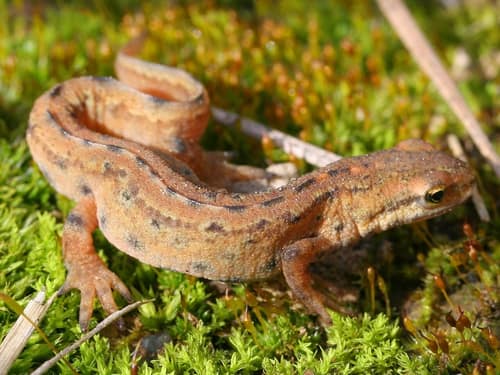
European Cousin Kristian Peters / CC BY-SA 3.0 · cc-by-sa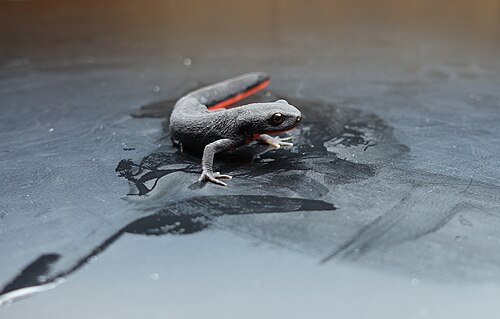
Close Relative Jeff Lorch, USGS. Public domain. / Public domain · cc0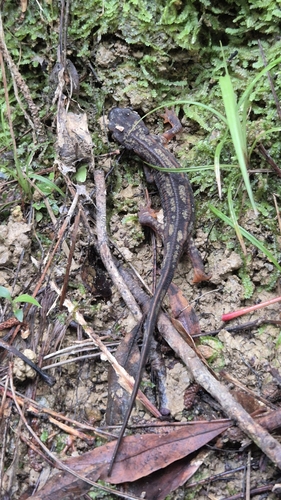
Close Relative (c) karliatje, some rights reserved (CC BY) · cc-by
Help improve the field guideSomething wrong?
Checking your Fauna account…Report a name, category, or profile issue for review.