
Amphibian · GBIF taxon 2431824
Pyrenean Brook Salamander
Calotriton asperAlso known as Pyrenean Newt, Pyrenean Brook Newt
Pyrenean brook salamanders inhabit cold, oxygen-rich mountain streams across the Pyrenees mountain range. Characterized by rough, dark skin covered in tiny granulations, these aquatic amphibians spend most of their lives underwater hunting aquatic insect larvae. During courtship, males wrap their tails around females to anchor them against strong mountain currents.
AmphibianAquaticMountain Stream
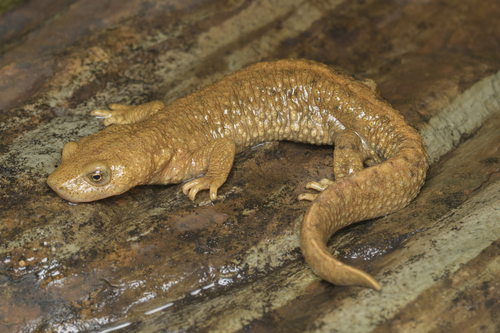
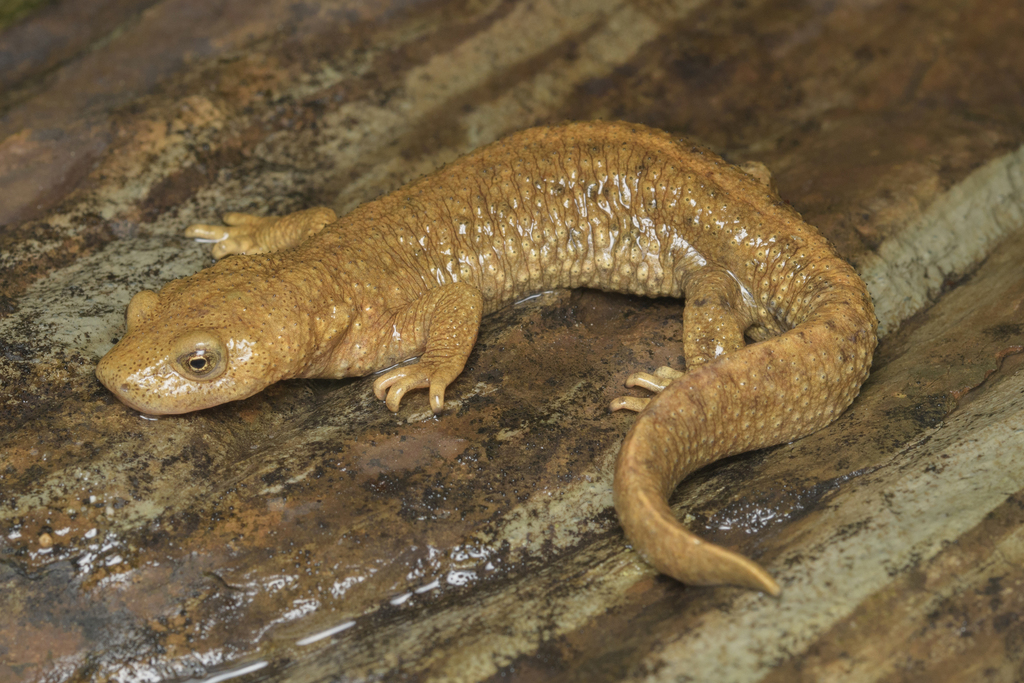 1 / 6
1 / 6—observations
—countries
—peak records
Least ConcernConservation statusIUCN Red List categoriesLCNTVUENCREWEXLeast ConcernRed List categories, explained →
Diet & prey
- Mayfly larvae
- Stonefly larvae
- Caddisfly larvae
Predators
- Predatory trout
- Grass snakes
- Water birds
ThreatsWater pollution, stream damming, climate change, introduced trout
HabitatsCold alpine streams, mountain torrents, high-altitude lakes
Life span20–30 years
Size / weightNot available
Classification
- FamilySalamandridae
- SpeciesCalotriton asper
Range data is not available yet.
Interaction riskLow
- Low
- Moderate
- High
- Very high
- Why interaction risk is low
- Safe to observe at a normal distance.
Responsible observation
- Night Scouting: Search calm side-pools of cold mountain streams after dusk using a flashlight.
- Hands Off: Avoid touching, as skin oils and sunscreen harm their sensitive amphibian skin.
- Habitat Preservation: Refrain from turning over stream rocks where eggs and larvae shelter.
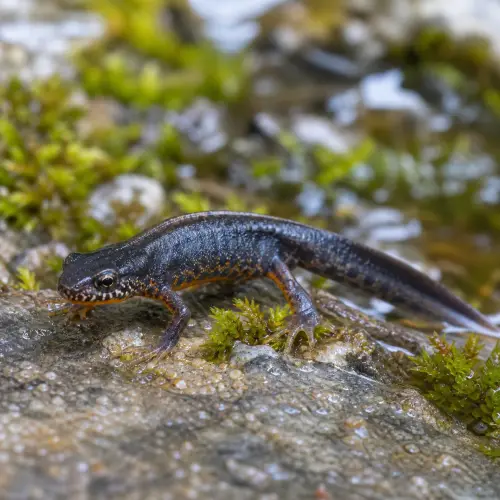
Co-Occurring Newt Unknown / CC-BY · cc-by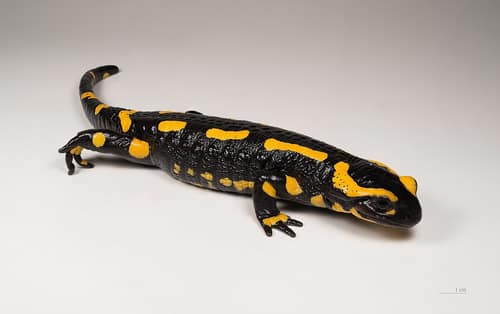
Co-Occurring Amphibian Didier Descouens / CC BY-SA 4.0 · cc-by-sa Image unavailable
Close Relative
Help improve the field guideSomething wrong?
Checking your Fauna account…Report a name, category, or profile issue for review.