
Amphibian
Alpine Newt
Ichthyosaura alpestrisAlso known as Mountain Newt
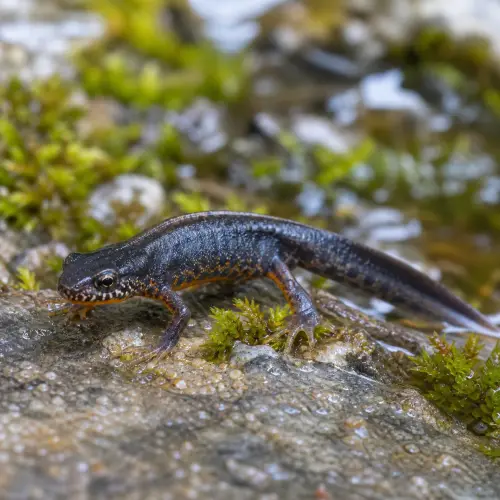
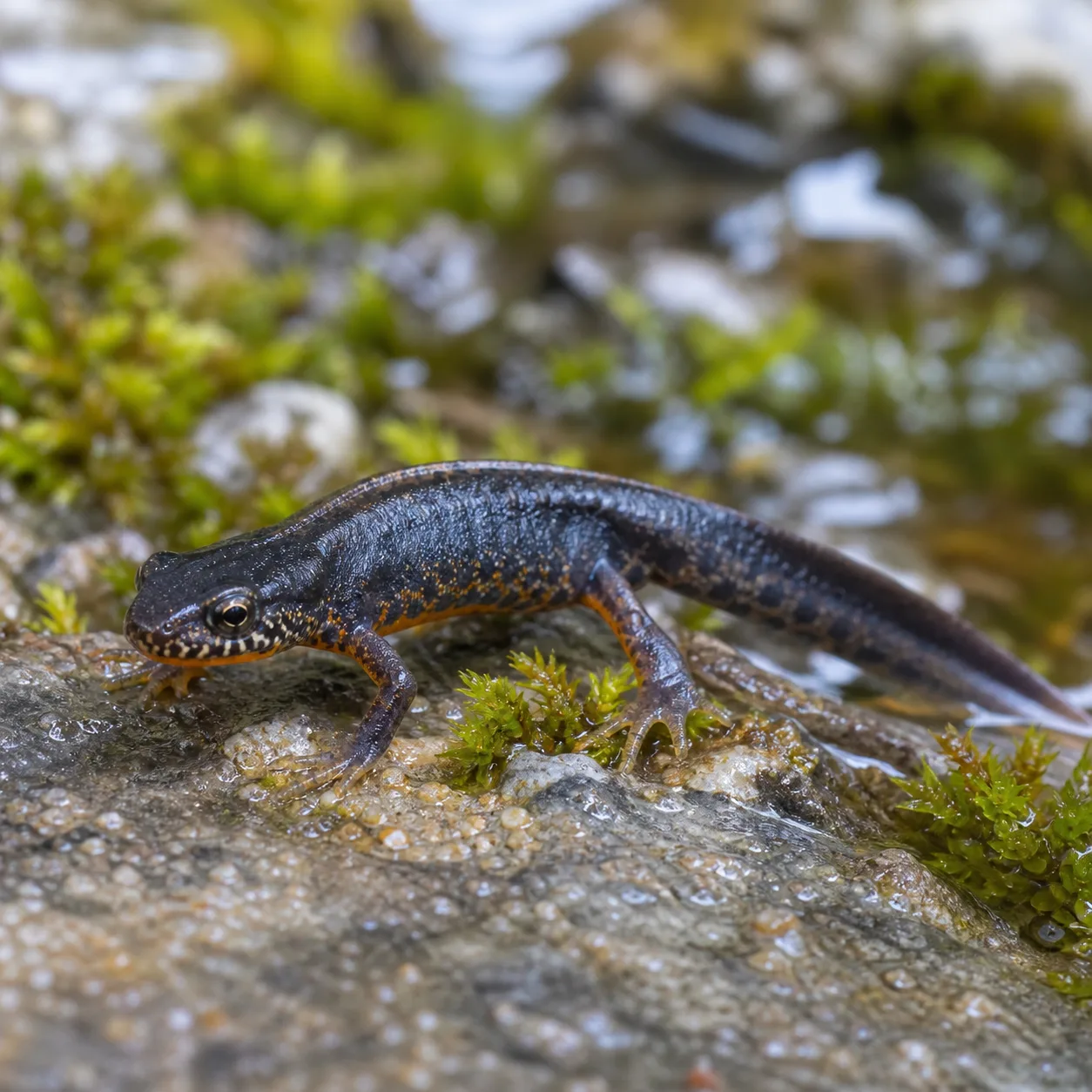
Alpine newts transition between aquatic breeding grounds in spring and damp terrestrial retreats under moss, logs, and stones for the rest of the year. Courting males perform animated underwater dances, fanning their tails to waft pheromones toward females while showing off a low, yellow-and-black striped crest and vibrant sky-blue flanks. Larvae develop in cool, clear mountain pools, though some high-altitude populations exhibit paedomorphosis, retaining larval gills into adulthood.
AmphibianAquaticColorful
—observations
—countries
—peak records
Least ConcernConservation statusIUCN Red List categoriesLCNTVUENCREWEXLeast ConcernRed List categories, explained →
Diet & preyInsect larvae, Water fleas, Earthworms
Predators
- Predatory fish
- Grass snakes
- Water birds
ThreatsHabitat loss, water pollution, introduced predatory fish, chytrid fungus
HabitatsAlpine lakes, forest ponds, cool pastures, damp woodlands
Life span10–20 years
Classification
- FamilySalamandridae
- SpeciesIchthyosaura alpestris
Range data is not available yet.
Interaction riskLow
- Low
- Moderate
- High
- Very high
- Why interaction risk is low
- Safe to observe at a normal distance.
- What to notice
- Recognize adults by their unspotted bright orange belly, dark slate to sky-blue back, and blue-and-black spotted flanks.
- Support conservation
- Observe strictly from pond edges without disturbing aquatic vegetation or touching individuals.
Responsible observation
- Pond Watching: Look for displaying males near shallow, vegetated pond margins in early spring.
- Avoid Handling: Keep hands out of water and refrain from touching, as skin oils and chemicals harm sensitive amphibian skin.
- Biosecurity Precautions: Clean footwear and gear after visiting wetlands to prevent spreading chytrid fungal pathogens.
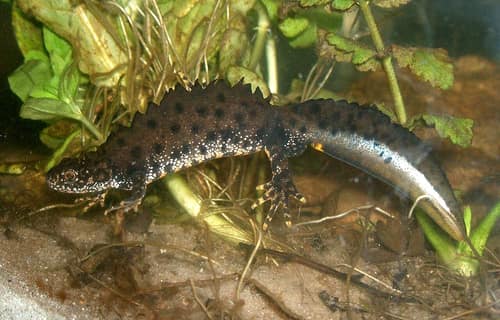
Competitor Rainer Theuer. / Public domain · cc0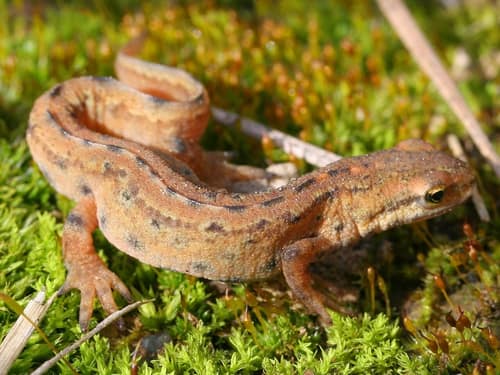
Close Relative Kristian Peters / CC BY-SA 3.0 · cc-by-sa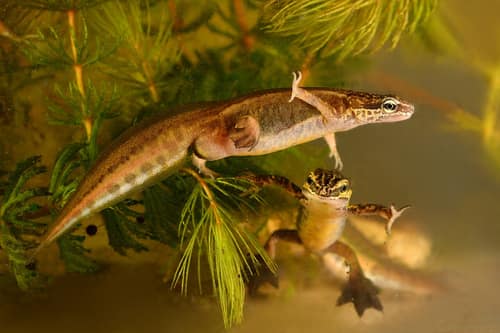
Close Relative Gilles San Martin from Namur, Belgium / CC BY-SA 2.0 · cc-by-sa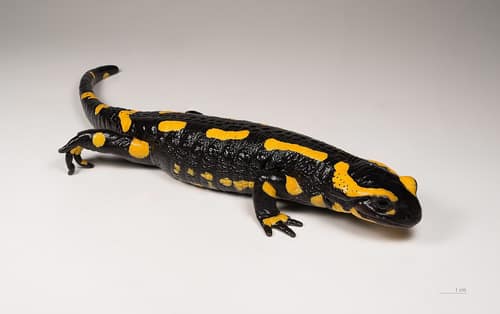
Family Member Didier Descouens / CC BY-SA 4.0 · cc-by-sa
Help improve the field guideSomething wrong?
Checking your Fauna account…Report a name, category, or profile issue for review.