
Amphibian · GBIF taxon 2431345
Broadfoot Mushroomtongue Salamander
Bolitoglossa platydactylaAlso known as Broad-footed Salamander, Broad-footed Mushroom-tongued Salamander
Broadfoot mushroomtongue salamanders inhabit wet tropical and subtropical forests, where they forage across vegetation and forest litter on warm, rainy nights. Completely lungless, they respire entirely through their moist skin and mouth lining, requiring damp microhabitats under rotting logs, bromeliads, or deep leaf litter to avoid desiccation. Unlike most temperate amphibians, females lay terrestrial egg clutches that skip the free-swimming larval stage, emerging straight from egg capsules as miniature, fully formed salamanders.
NocturnalAmphibianEndemic
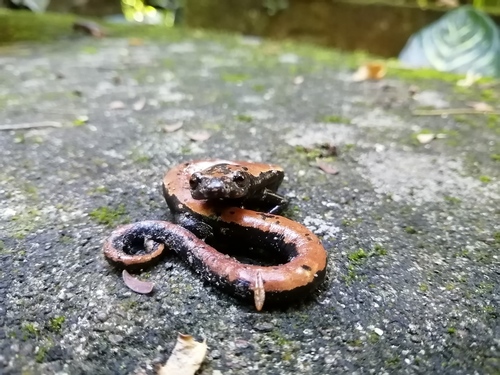
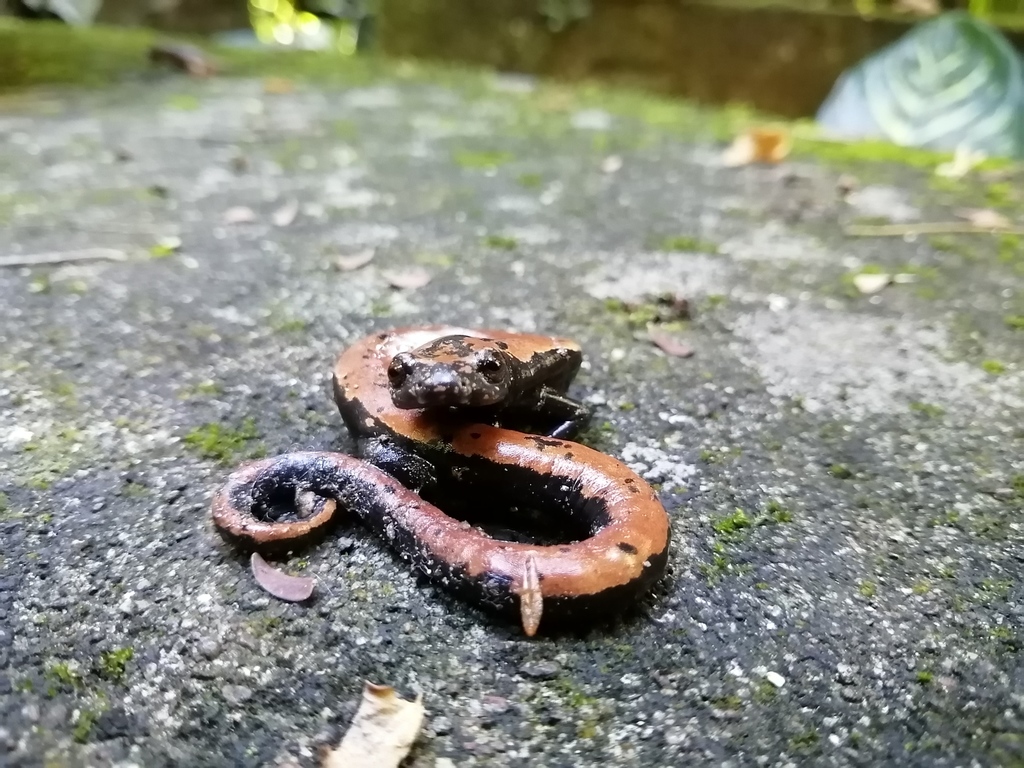 1 / 5
1 / 5—observations
—countries
—peak records
Least ConcernConservation statusIUCN Red List categoriesLCNTVUENCREWEXLeast ConcernRed List categories, explained →
Diet & prey
- Leaf litter ants
- Beetles
- Spiders
Predators
- Colubrid snakes
- Forest birds
- Small carnivorous mammals
ThreatsHabitat loss from agricultural expansion, deforestation, and pesticide runoff
HabitatsLowland tropical rainforests, cloud forest edges, coffee plantations, and moist canyons
Life span5–10 years
Size / weightNot available
Classification
- OrderCaudata
- FamilyPlethodontidae
- GenusBolitoglossa
- SpeciesBolitoglossa platydactyla
Range data is not available yet.
Interaction riskLow
- Low
- Moderate
- High
- Very high
- Why interaction risk is low
- Safe to observe at a normal distance.
Responsible observation
- Spotting: Scan large, wet foliage and banana leaves with a headlamp on humid, rainy nights.
- Handling: Do not pick up or touch bare skin, as amphibians readily absorb salts, oils, and chemicals from hands.
- Etiquette: Leave decaying fallen logs and leaf litter in place to preserve essential moisture refuges.
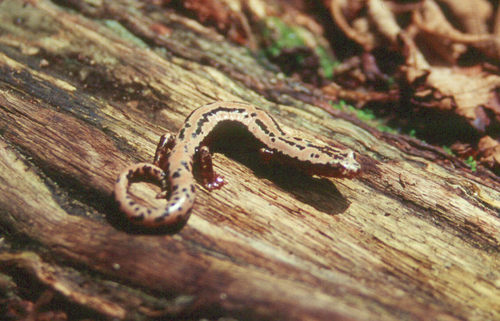
Close Relative (c) Jim Arrigoni, some rights reserved (CC BY) · cc-by Image unavailable
Same Family 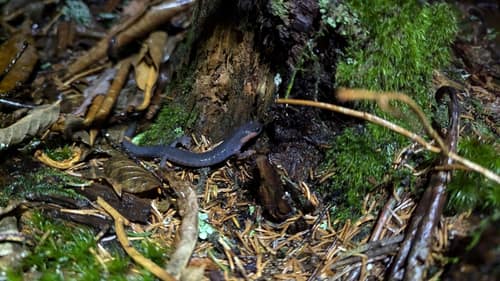
Same Family (c) Alina Martin, some rights reserved (CC BY) · cc-by
Help improve the field guideSomething wrong?
Checking your Fauna account…Report a name, category, or profile issue for review.