
Amphibian · GBIF taxon 2430566
Syrian Spadefoot Toad
Pelobates syriacusAlso known as Eastern Spadefoot, Syrian Spadefoot, Levant Spadefoot
Syrian spadefoot toads spend most of their lives underground, using hardened black spades on their hind feet to dig backwards into loose soil. Emerging on damp nights or during spring rains, adults hunt small invertebrates before returning to subterranean retreats to avoid summer heat. Breeding occurs in temporary ponds where males produce muted underwater calling sounds to attract females.
BurrowingNocturnalAmphibian
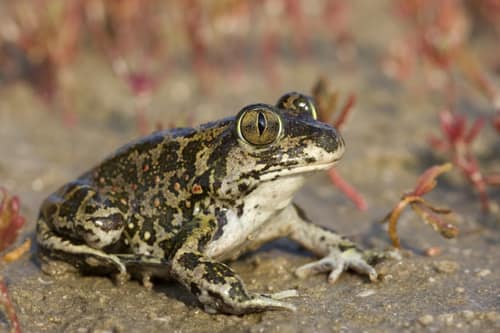
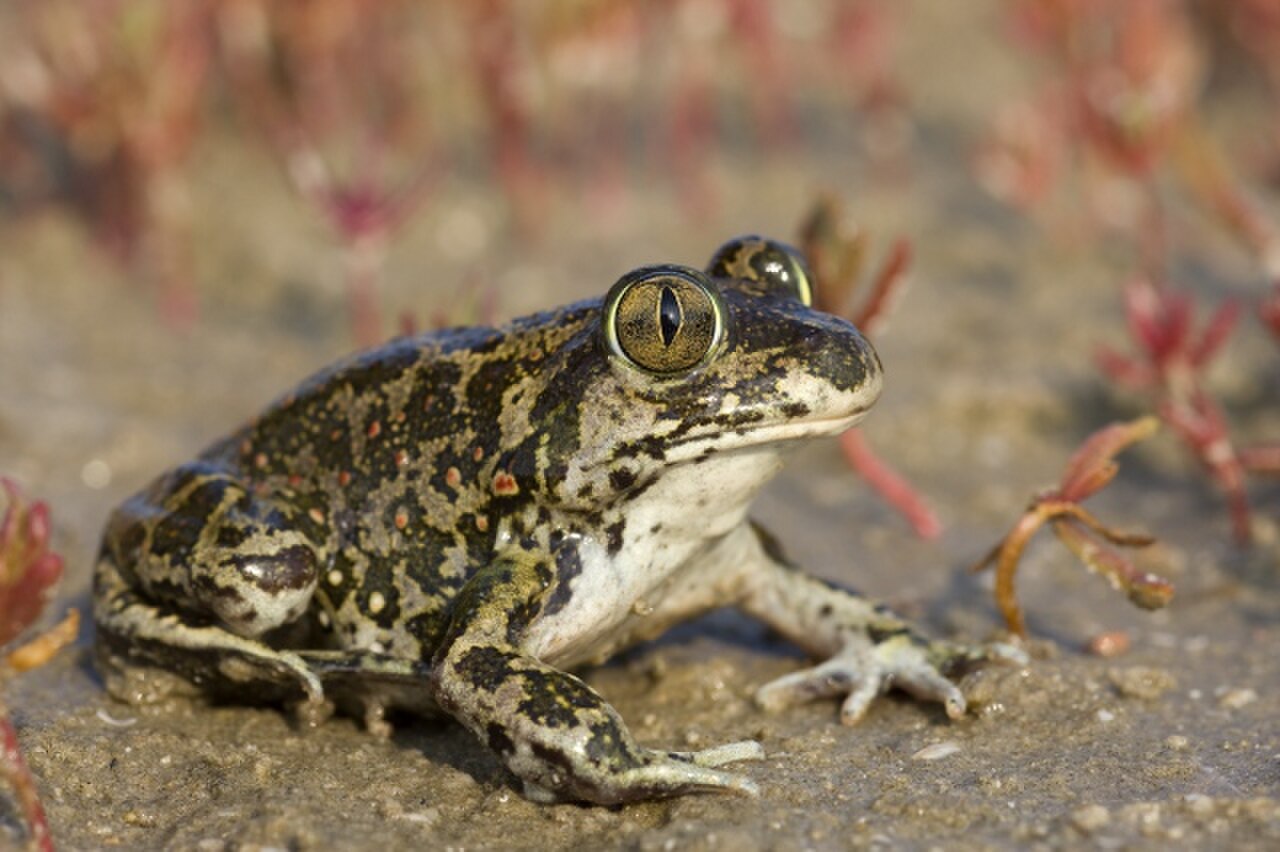
Licensed referenceF. C. Robiller / naturlichter.de / CC BY-SA 3.0 · cc-by-sa
—observations
—countries
—peak records
Least ConcernConservation statusIUCN Red List categoriesLCNTVUENCREWEXLeast ConcernRed List categories, explained →
Diet & prey
- Beetles
- Earthworms
- Spiders
Predators
- White storks
- Barn owls
- Grass snakes
ThreatsDrainage of breeding ponds, agricultural intensification, urbanization
HabitatsGrasslands, semi-deserts, agricultural fields, dunes
Life span10–15 years
Size / weightNot available
Classification
- FamilyPelobatidae
- SpeciesPelobates syriacus
Range data is not available yet.
Interaction riskLow
- Low
- Moderate
- High
- Very high
- Why interaction risk is low
- Skin secretions can irritate eyes and mucous membranes; wash hands immediately after touching.
- Why it is dangerous
- Secretes mild skin toxins when stressed, which can cause burning or irritation if rubbed into eyes or mouth.
- How to recognize a risky encounter
- Recognizable by smooth greyish skin with dark green blotches, vertical pupils, and a black tubercle on each hind foot.
- What to do
- Observe without touching, and wash hands thoroughly with soap if accidental contact occurs.
Responsible observation
- Night Searches: Look along sandy paths and pond margins after warm spring rainstorms.
- Observe Distance: Avoid handling to prevent stressing the toad or contacting skin secretions.
- Pond Listening: Listen near shallow water bodies at night for subtle underwater mating calls.
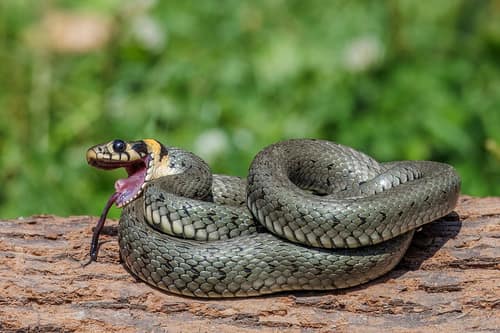
Predator Charles J. Sharp / CC BY-SA 4.0 · cc-by-sa Image unavailable
Close Relative Close Relative Close Relative
Help improve the field guideSomething wrong?
Checking your Fauna account…Report a name, category, or profile issue for review.