
Amphibian
Crab-eating Frog
Fejervarya cancrivoraAlso known as Mangrove Frog, Asian Brackish Frog
Crab-eating frogs are renowned for their remarkable physiological adaptation to saline environments, tolerating brackish water and even high salinity by synthesizing and retaining urea in their blood. Adults stalk muddy tidal flats and mangrove margins at low tide, hunting small crustaceans and insects under the cover of dusk. Males gather along coastal ditches and estuaries during breeding periods, producing short, raspy calls that resonate across muddy intertidal pools.
AmphibianMangrove SpecialistSalt-Tolerant
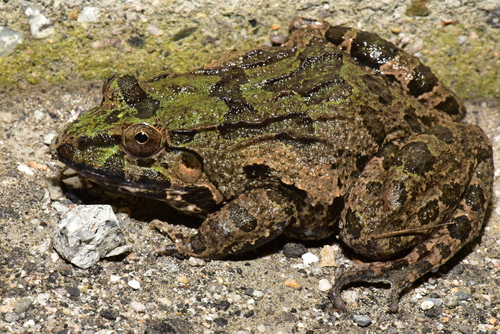
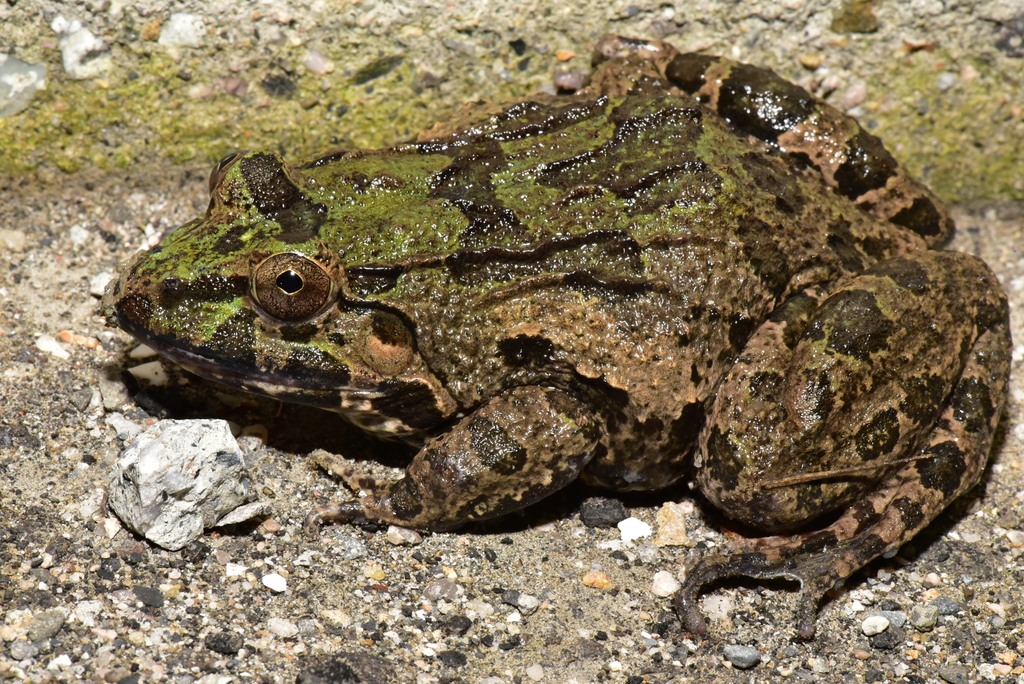
—observations
—countries
—peak records
Least ConcernConservation statusIUCN Red List categoriesLCNTVUENCREWEXLeast ConcernRed List categories, explained →
Diet & preyFiddler Crabs, Grapsid Crabs, Insects
Predators
- Banded Krait
- Water Monitor
- Collared Kingfisher
ThreatsMangrove destruction, coastal development, pesticide runoff, and overharvesting for food
HabitatsMangrove swamps, brackish marshes, tidal mudflats, and coastal ditches
Life span5–8 years
Classification
- FamilyDicroglossidae
- SpeciesFejervarya cancrivora
Range data is not available yet.
Interaction riskLow
- Low
- Moderate
- High
- Very high
- Why interaction risk is low
- Safe to observe at a normal distance.
Responsible observation
- Night Spotting: Search muddy mangrove banks with a headlamp at low tide when frogs emerge to hunt.
- Tread Carefully: Stick to boardwalks or firm ground to avoid damaging fragile coastal root systems.
- Respect Habitat: Refrain from capturing or relocating individuals to protect their unique saline balance.
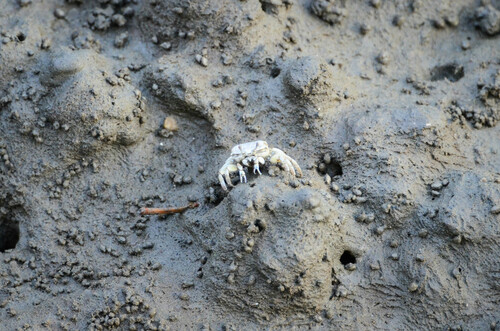
Prey (c) 如此甚好, some rights reserved (CC BY) · cc-by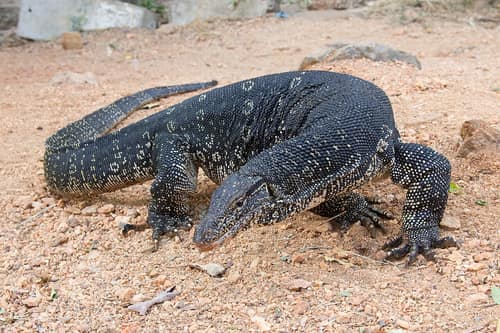
Predator Carlos Delgado / CC BY-SA 4.0 · cc-by-sa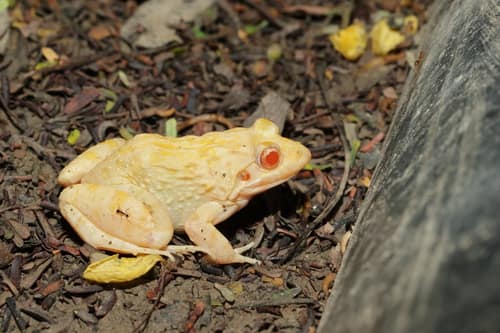
Close Relative (c) 林正文, some rights reserved (CC BY), uploaded by 林正文 · cc-by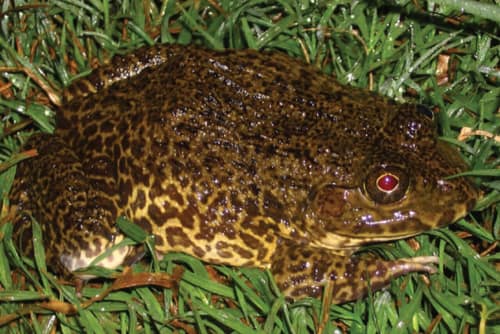
Same Family Arvin Diesmos, National Museum of the Philippines, nationalmuseum.gov.ph / Public domain · cc0
Help improve the field guideSomething wrong?
Checking your Fauna account…Report a name, category, or profile issue for review.