
Amphibian
Cape Sand Frog
Tomopterna delalandiiAlso known as Delalande's Sand Frog, Delalande's Frog, Striped Pixie
Cape sand frogs spend much of the dry season buried deep in sandy soils, using hardened, spade-like tubercles on their hind feet to dig backward underground. Following seasonal winter rains, adults surface in large numbers to congregate around temporary pools, marshes, and flooded depressions. Males emit rapid, high-pitched ringing calls reminiscent of a small bell, creating vibrant choruses across the fynbos lowlands.
FossorialNocturnalEndemic
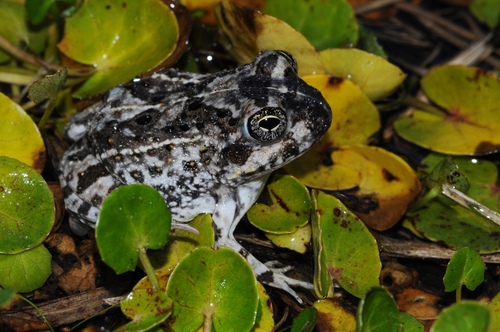
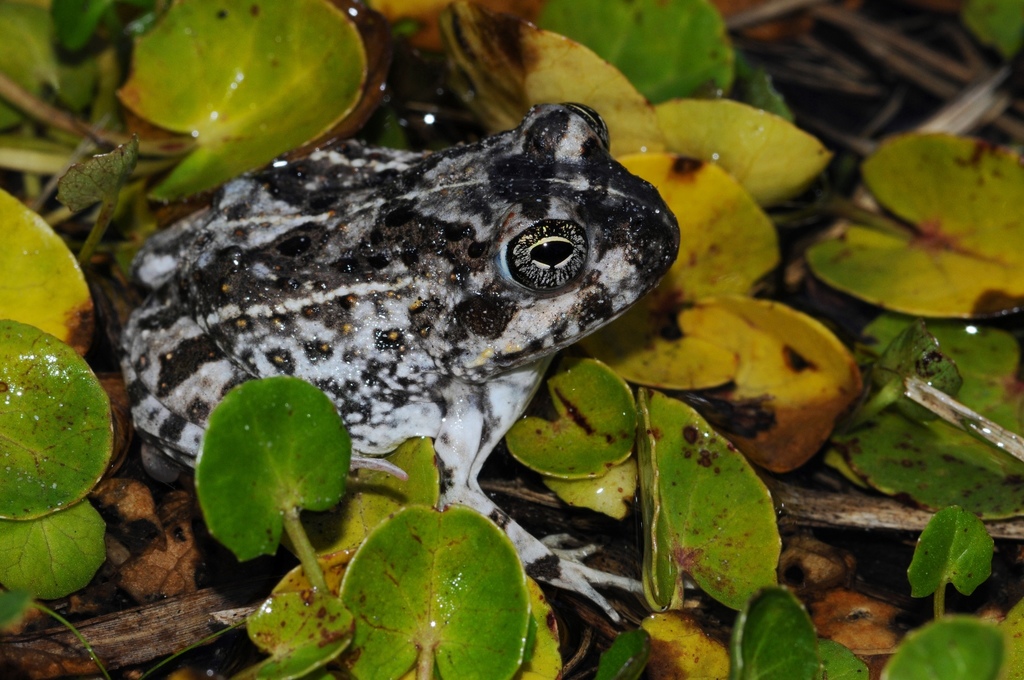
—observations
—countries
—peak records
Least ConcernConservation statusIUCN Red List categoriesLCNTVUENCREWEXLeast ConcernRed List categories, explained →
Diet & preyGround beetles, Termites, Spiders
Predators
- Herald snake
- Spotted eagle-owl
- Cape clawless otter
ThreatsHabitat loss from urban development, agricultural expansion, and invasive alien vegetation
HabitatsCoastal fynbos, strandveld, succulent karoo, agricultural pastures, and seasonal wetlands
Life span5–8 years
Classification
- FamilyPyxicephalidae
- SpeciesTomopterna delalandii
Range data is not available yet.
Interaction riskLow
- Low
- Moderate
- High
- Very high
- Why interaction risk is low
- Harmless to humans; safe to observe from a respectful distance.
Responsible observation
- Listening for Calls: Look around shallow seasonal water bodies after winter rains when males chorus.
- Night Spotting: Walk along sandy fynbos trails with a headlamp to spot foraging adults on humid nights.
- Handling Care: Avoid touching wild individuals, as skin absorbs salts and oils easily.
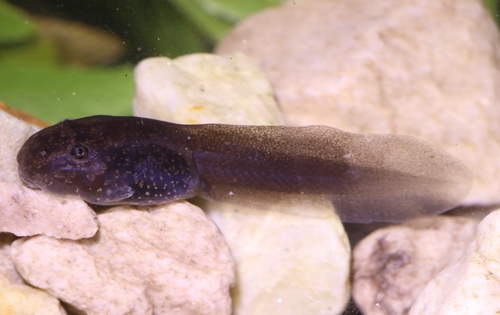
Neighbor (c) Ryan van Huyssteen, some rights reserved (CC BY), uploaded by Ryan van Huyssteen · cc-by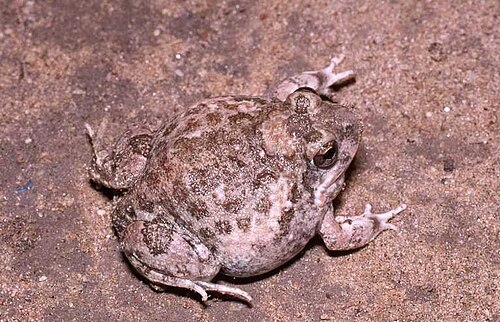
Close Relative Simon J. Tonge / CC BY 3.0 · cc-by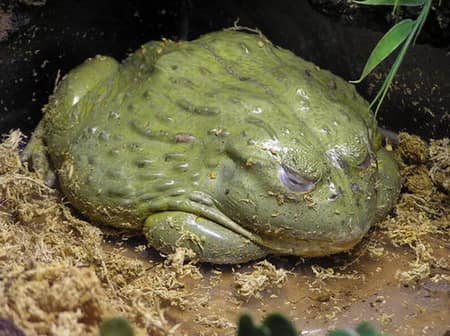
Same Family Grzegorz Polak / CC BY-SA 3.0 · cc-by-sa
Help improve the field guideSomething wrong?
Checking your Fauna account…Report a name, category, or profile issue for review.