
Amphibian · GBIF taxon 2429810
Hamilton's Frog
Leiopelma hamiltoniAlso known as Stephens Island Frog
Hamilton's frog is an ancient terrestrial amphibian that survives in tiny, boulder-strewn habitat patches on New Zealand islands. Lacking vocal sacs or external eardrums, these quiet frogs do not croak, instead communicating primarily through chemical cues and subtle touch. Females lay eggs on damp ground, and after hatching, tiny froglets ride on their father's back until they complete their development into independent adults.
NocturnalRareEndemic
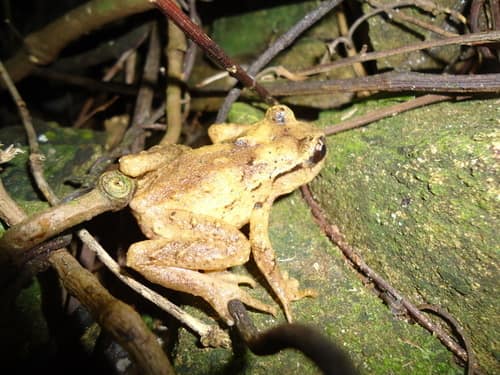
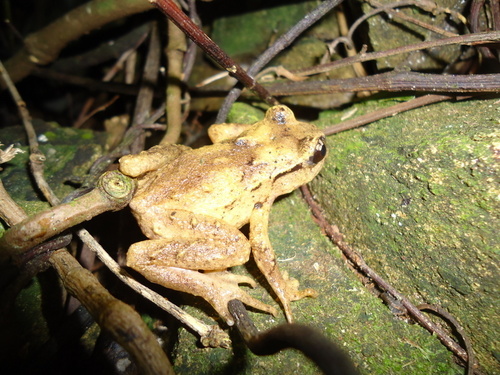 1 / 6
1 / 6—observations
—countries
—peak records
VulnerableConservation statusIUCN Red List categoriesLCNTVUENCREWEXVulnerableRed List categories, explained →
Diet & prey
- Springtails
- Mites
- Beetles
Predators
- Tuatara
- Morepork
- Kingfisher
ThreatsHabitat fragmentation, introduced predators, chytrid fungus, climate change
HabitatsRocky scree slopes, damp coastal forest, boulder fields
Life spanUp to 30 years
Size / weightNot available
Classification
- FamilyLeiopelmatidae
- SpeciesLeiopelma hamiltoni
Range data is not available yet.
Interaction riskLow
- Low
- Moderate
- High
- Very high
- Why interaction risk is low
- Safe to observe at a normal distance.
- What to notice
- Look for a small brownish, web-less frog hiding under damp rocks or leaf litter at night.
- Support conservation
- Do not touch or move individuals, and refrain from turning over rocks in protected sanctuary areas.
Responsible observation
- Habitat Protection: Avoid moving rocks or clearing boulder fields in restricted reserve areas.
- Biosecurity Precautions: Clean footwear thoroughly to prevent spreading chytrid fungus between delicate island habitats.
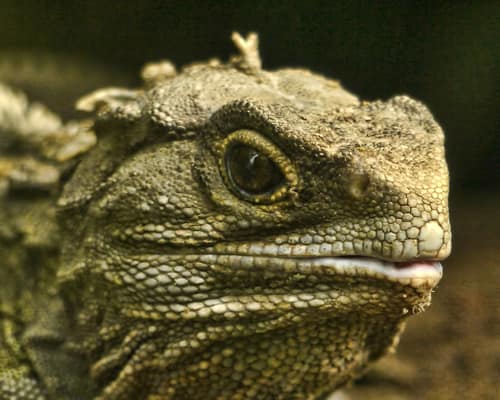
Co-habitat Neighbor (c) Sid Mosdell, some rights reserved (CC BY) · cc-by Image unavailable
Close Relative Close Relative Close Relative
Help improve the field guideSomething wrong?
Checking your Fauna account…Report a name, category, or profile issue for review.