
Amphibian
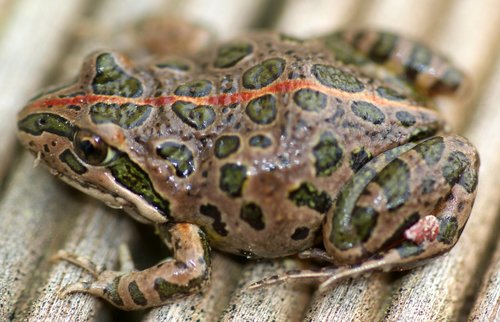
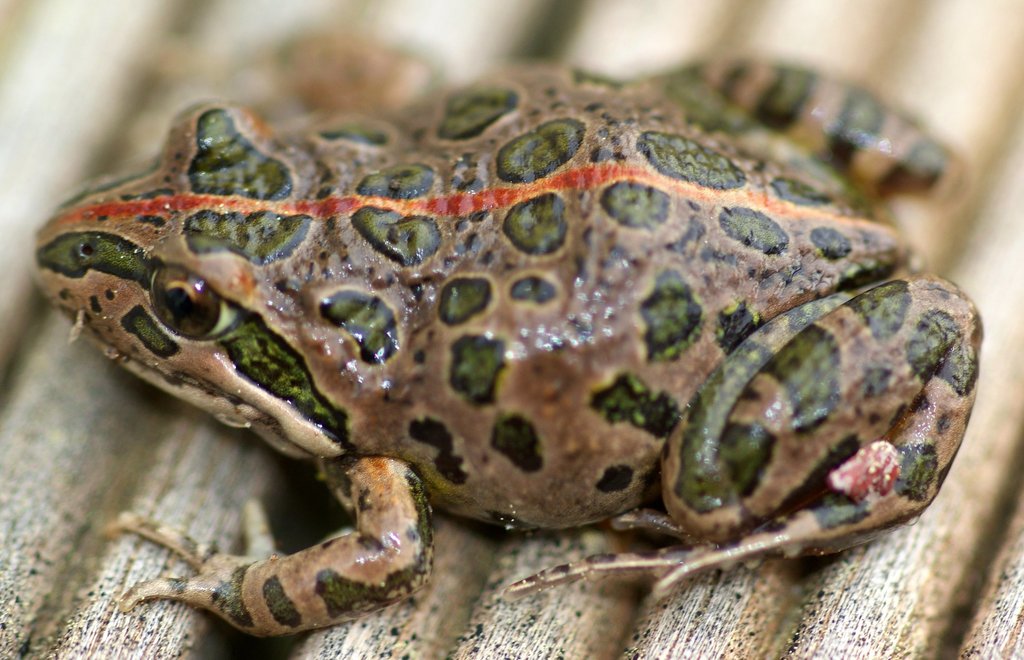
Spotted Marsh Frog
Limnodynastes tasmaniensisAlso known as Spotted Grass Frog
Spotted marsh frogs are adaptable ground dwellers renowned for their distinct, staccato calls that echo like rapid hammer taps or dripping taps around flooded paddocks and suburban garden ponds. Males call while floating among emergent vegetation or concealed under debris, attracting females to mate and produce distinctive floating rafts of foamy eggs. During dry spells, they shelter in soil fissures, under logs, or beneath dense mats of grass to wait out the heat until rains trigger sudden breeding choruses.
AmphibianNocturnalWetland
—observations
—countries
—peak records
Least ConcernConservation statusIUCN Red List categoriesLCNTVUENCREWEXLeast ConcernRed List categories, explained →
Diet & preySmall crickets, Beetles, Spiders
Predators
- Red-bellied Black Snake
- White-faced Heron
- Laughing Kookaburra
ThreatsWetland drainage, agricultural runoff, and chytrid fungus infection
HabitatsFlooded grasslands, marshes, farm dams, drainage ditches, and creeks
Life span5–8 years
Classification
- FamilyLimnodynastidae
- SpeciesLimnodynastes tasmaniensis
Range data is not available yet.
Interaction riskLow
- Low
- Moderate
- High
- Very high
- Why interaction risk is low
- Safe to observe at a normal distance.
Responsible observation
- Listening for Calls: Listen for rapid, mechanical clicking calls resembling a toy machine gun near water margins after rain.
- Night Searching: Search along the shallow edges of farm dams and ditches using a headlamp to spot reflecting eyes.
- Hygiene Etiquette: Avoid handling wild frogs directly to prevent transferring oils, salts, or pathogens across their skin.
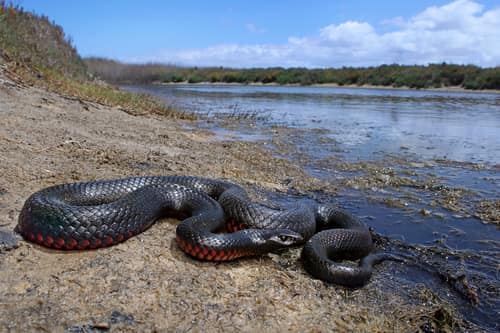
Predator no rights reserved, uploaded by Connor Margetts · cc0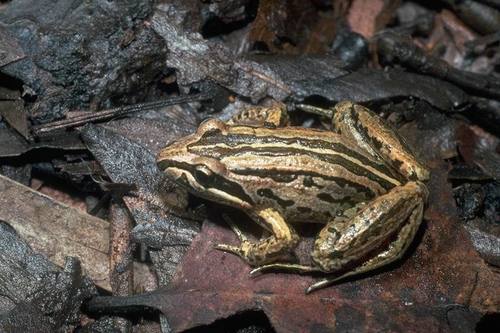
Close Relative (c) Jean-Marc Hero, some rights reserved (CC BY-SA) · cc-by-sa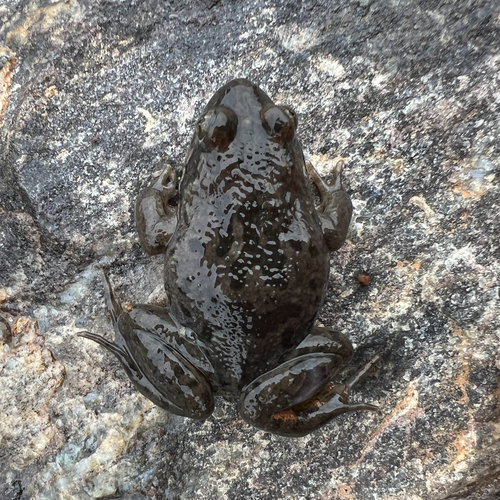
Close Relative (c) James K. Douch, some rights reserved (CC BY-SA) · cc-by-sa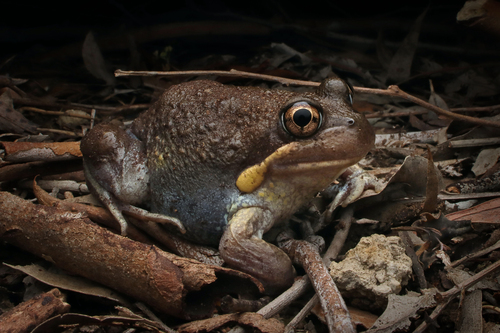
Close Relative no rights reserved, uploaded by Connor Margetts · cc0
Help improve the field guideSomething wrong?
Checking your Fauna account…Report a name, category, or profile issue for review.