
Amphibian
Lowland Burrowing Tree Frog
Smilisca fodiensAlso known as Burrowing Treefrog, Mexican Burrowing Tree Frog
Lowland burrowing tree frogs spend most of the year subterranean, encasing themselves in underground chambers to survive extended arid droughts. When summer monsoon storms saturate the soil, adults emerge explosively in vast numbers to breed in ephemeral rain pools and arroyos. They possess a heavily ossified, co-ossified skull which they use like a living plug to seal burrow openings against desiccating air and predators.
FossorialNocturnalAmphibian
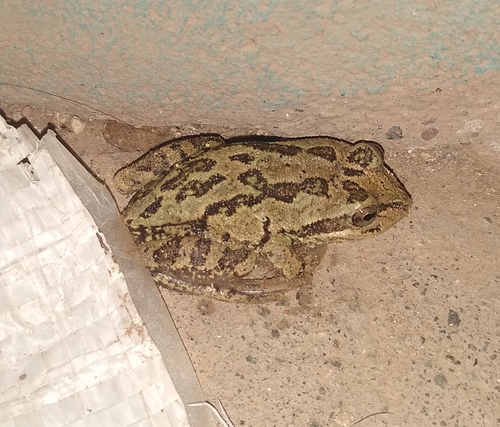
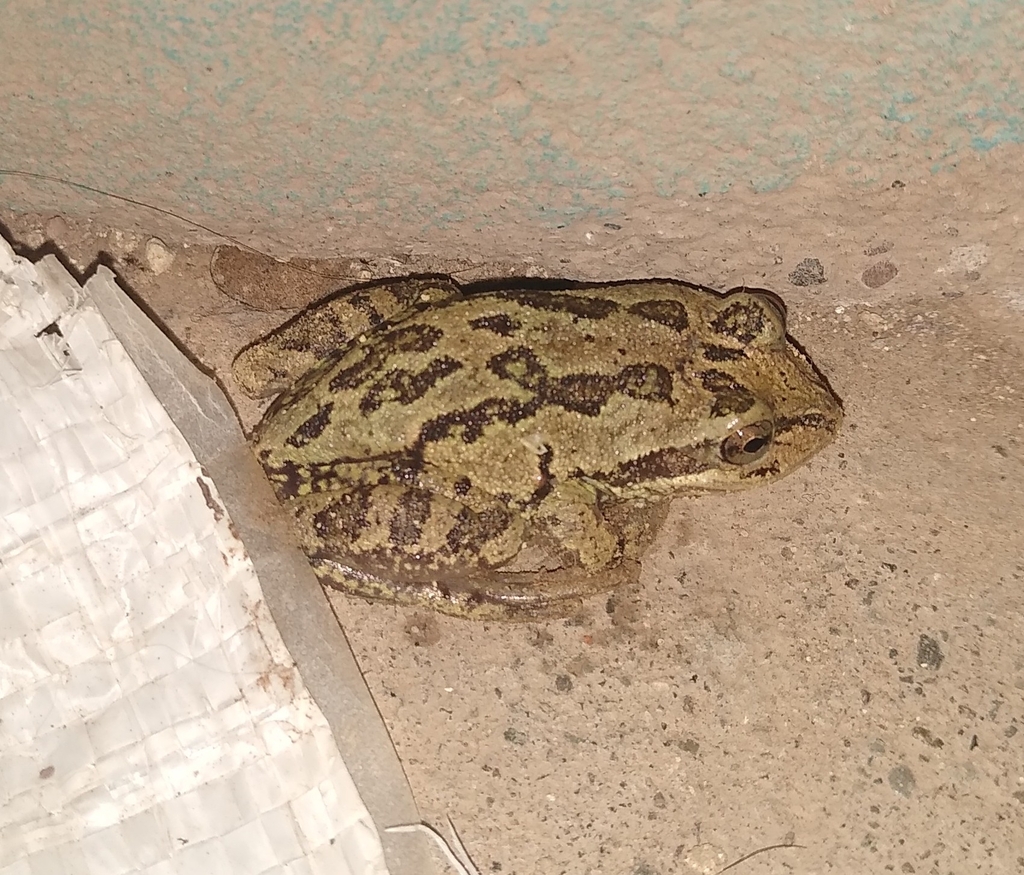
—observations
—countries
—peak records
Least ConcernConservation statusIUCN Red List categoriesLCNTVUENCREWEXLeast ConcernRed List categories, explained →
Diet & preyGround Beetles, Termites, Moths
Predators
- Checkered Garter Snake
- Barn Owl
- Ringtail
ThreatsHabitat loss from agriculture, urban sprawl, and groundwater depletion
HabitatsDesert scrub, thorn forest, dry grasslands, and seasonal arroyos
Life span5–10 years
Classification
- FamilyHylidae
- SpeciesSmilisca fodiens
Range data is not available yet.
Interaction riskLow
- Low
- Moderate
- High
- Very high
- Why interaction risk is low
- Safe to observe at a normal distance.
Responsible observation
- Seasonal Timing: Search temporary pools and flooded ditches on warm summer nights immediately following heavy monsoon rain.
- Audio Clues: Listen for their low-pitched, resonant mating quacks ringing across desert arroyos at night.
- Handle With Care: Avoid handling to prevent the transfer of skin-drying residues or harmful chemicals to their delicate skin.

Ecological Neighbor (c) Nick Tobler (Cowturtle), some rights reserved (CC BY), uploaded by Nick Tobler (Cowturtle) · cc-by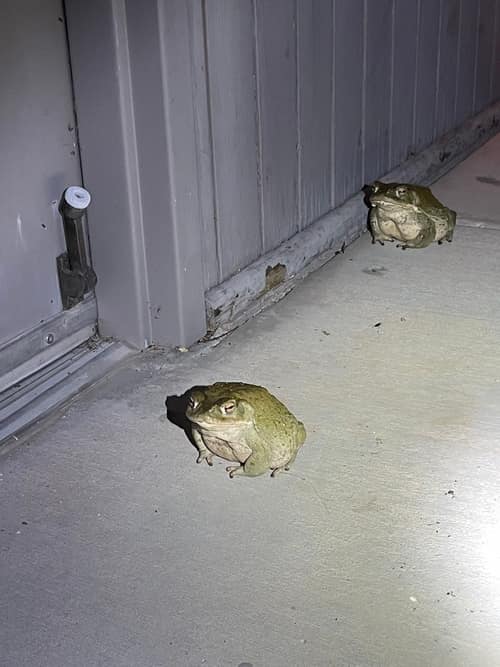
Predator (c) Melanie J. Davis, some rights reserved (CC BY) · cc-by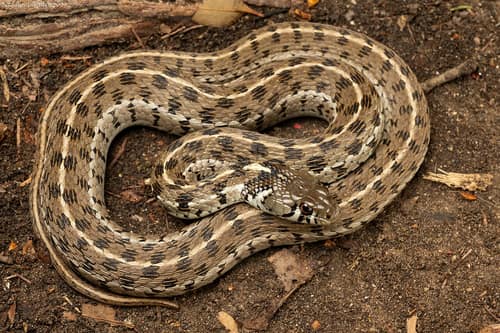
Predator Benjamin Genter / CC0 · cc0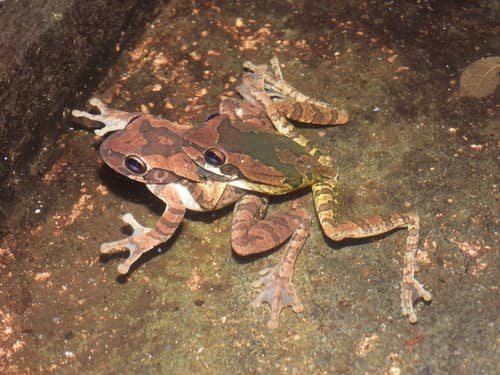
Close Relative (c) Sebastián de Jesús Herrera Buenfil, some rights reserved (CC BY), uploaded by Sebastián de Jesús Herrera Buenfil · cc-by
Help improve the field guideSomething wrong?
Checking your Fauna account…Report a name, category, or profile issue for review.