
Amphibian · GBIF taxon 2428295
Bogota Wood Frog
Hyloscirtus bogotensisAlso known as Bogota Tree Frog, Bogotá Treefrog
Bogota wood frogs inhabit high-altitude Andean mountain streams, clinging to mossy vegetation along torrential waters. Males vocalize from shrubs overhanging fast-flowing creeks, producing distinct calls to attract females during damp highland nights. Tadpoles develop in fast-moving currents, equipped with specialized mouthparts to anchor themselves against rushing water.
High AltitudeEndemicStream Frog
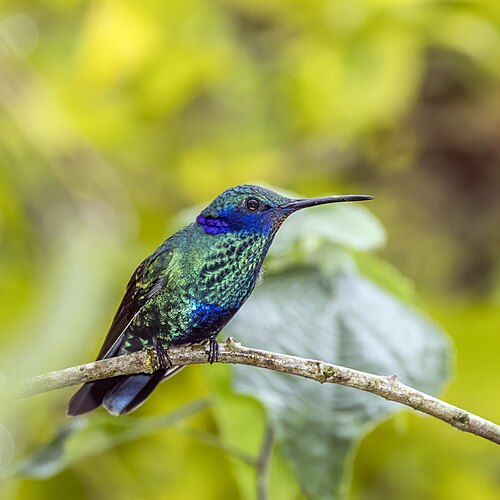
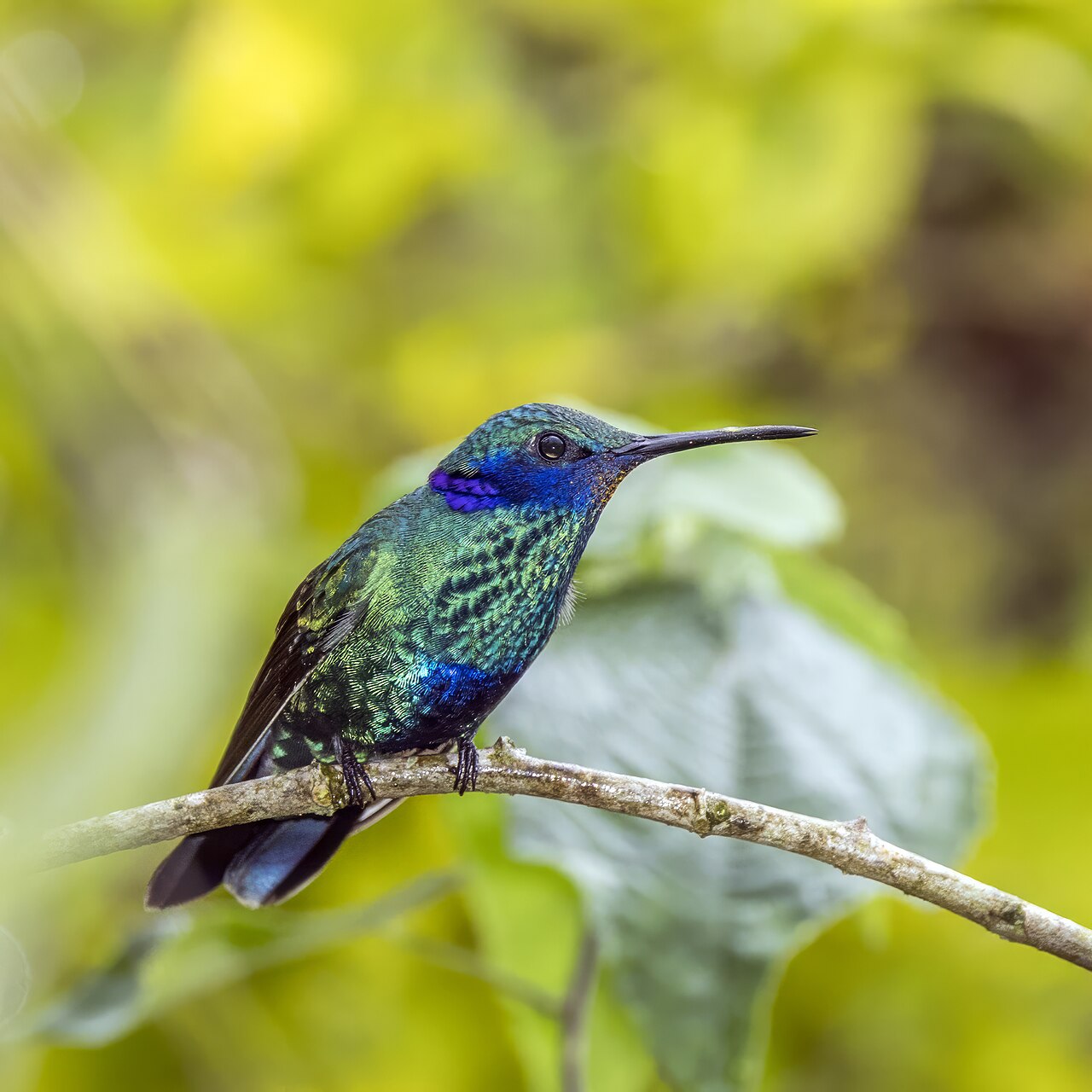
Licensed referenceCharles J. Sharp / CC BY-SA 4.0 · cc-by-sa
—observations
—countries
—peak records
Near ThreatenedConservation statusIUCN Red List categoriesLCNTVUENCREWEXNear ThreatenedRed List categories, explained →
Diet & prey
- Midges
- Beetles
- Small spiders
Predators
- Aquatic birds
- Mountain snakes
- Large spiders
ThreatsAgricultural pollution, deforestation, chytrid fungus
HabitatsHigh-altitude cloud forests, sub-páramo streams, mountain rivers
Life span5–8 years
Size / weightNot available
Classification
- FamilyHylidae
- SpeciesHyloscirtus bogotensis
Range data is not available yet.
Interaction riskLow
- Low
- Moderate
- High
- Very high
- Why interaction risk is low
- Safe to observe at a normal distance.
- What to notice
- Look for a dark green or brown stream frog with enlarged toe pads on mossy branches near rushing water.
- Support conservation
- Avoid handling directly and maintain a respectful distance to preserve fragile mountain stream habitats.
Responsible observation
- Stream Search: Search along mossy vegetation near splashing water where frogs perch at night.
- Pathogen Safety: Avoid touching wild amphibians to protect their porous skin from lethal fungi.
- Quiet Listening: Listen for soft, repeating calls near mountain creeks after rain showers.
 Image unavailable
Highland Neighbor Genus Relative Close Relative
Help improve the field guideSomething wrong?
Checking your Fauna account…Report a name, category, or profile issue for review.