
Amphibian · GBIF taxon 2428085
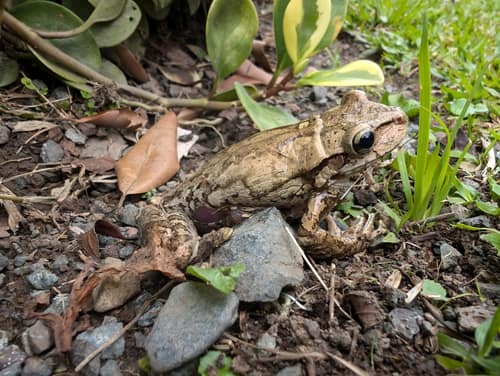
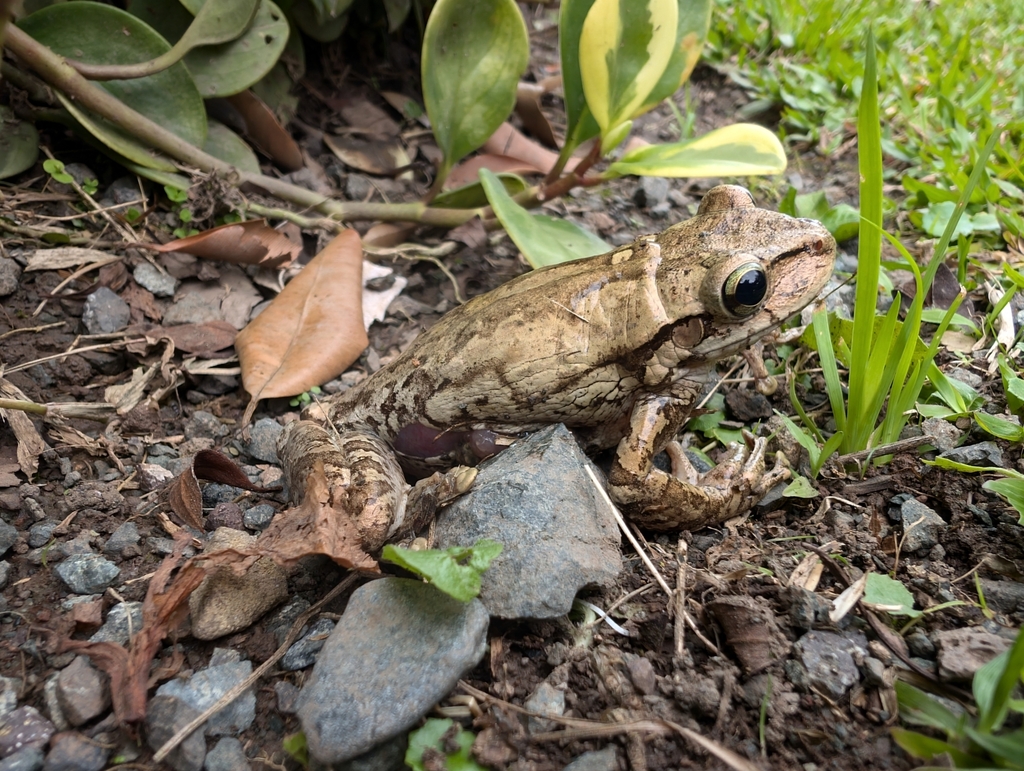
Hispaniolan Wood Frog
Osteopilus dominicensisAlso known as Hispaniolan Common Tree Frog, Hispaniolan Laughing Tree Frog, Dominican Tree Frog
Hispaniolan wood frogs are adaptable tree frogs known for their distinct, chuckling calls that echo through moist woodlands and gardens after heavy rain. Adults possess rough, warty skin with chameleon-like color-shifting abilities, ranging from light grayish-brown to mottled green depending on humidity and temperature. Females deposit egg clutches in quiet pools, flooded pastures, and rain-filled containers, allowing populations to thrive in both undisturbed forests and human-altered landscapes.
EndemicTree FrogNocturnal
—observations
—countries
—peak records
Least ConcernConservation statusIUCN Red List categoriesLCNTVUENCREWEXLeast ConcernRed List categories, explained →
Diet & prey
- Flies
- Beetles
- Moths
Predators
- Snakes
- Birds of prey
- Tarantulas
ThreatsDeforestation, aquatic pollution, potential impact of chytrid fungus
HabitatsSubtropical forests, agricultural lands, urban gardens, freshwater wetlands
Life span5–8 years
Size / weightNot available
Classification
- FamilyHylidae
- SpeciesOsteopilus dominicensis
Range data is not available yet.
Interaction riskLow
- Low
- Moderate
- High
- Very high
- Why interaction risk is low
- Safe to observe at a normal distance.
Responsible observation
- Nighttime Spotting: Search foliage and garden walls near outdoor lights or water sources after sunset.
- Listen for Calls: Locate individuals after rainstorms by following their loud, laugh-like vocalizations.
- Observe Without Handling: Keep a gentle distance, as skin oils and soaps on human hands can harm sensitive amphibian skin.
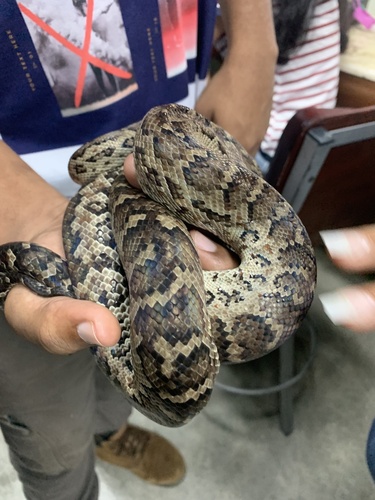
Predator (c) Dairon Cuevas Riveras, some rights reserved (CC BY-SA) · cc-by-sa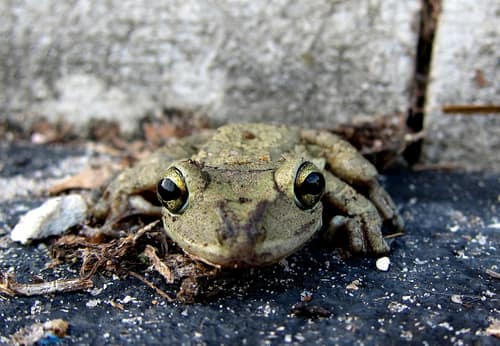
Close Relative "Cuban Tree Frog" by BigCypressNPS is marked with Public Domain Mark 1.0. To view the terms, visit https://creativecommons.org/publicdomain/mark/1.0/. · cc0 Image unavailable
Close Relative
Help improve the field guideSomething wrong?
Checking your Fauna account…Report a name, category, or profile issue for review.