
Amphibian · GBIF taxon 2427573
European Tree Frog
Hyla arboreaAlso known as Common Tree Frog, Rain Frog
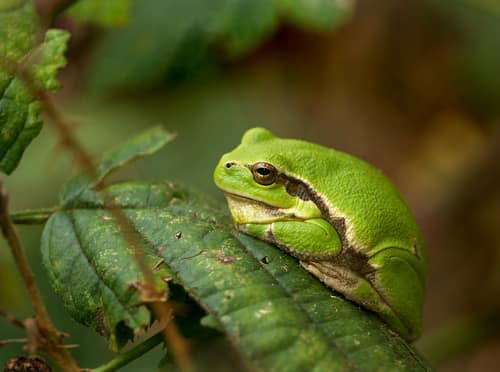
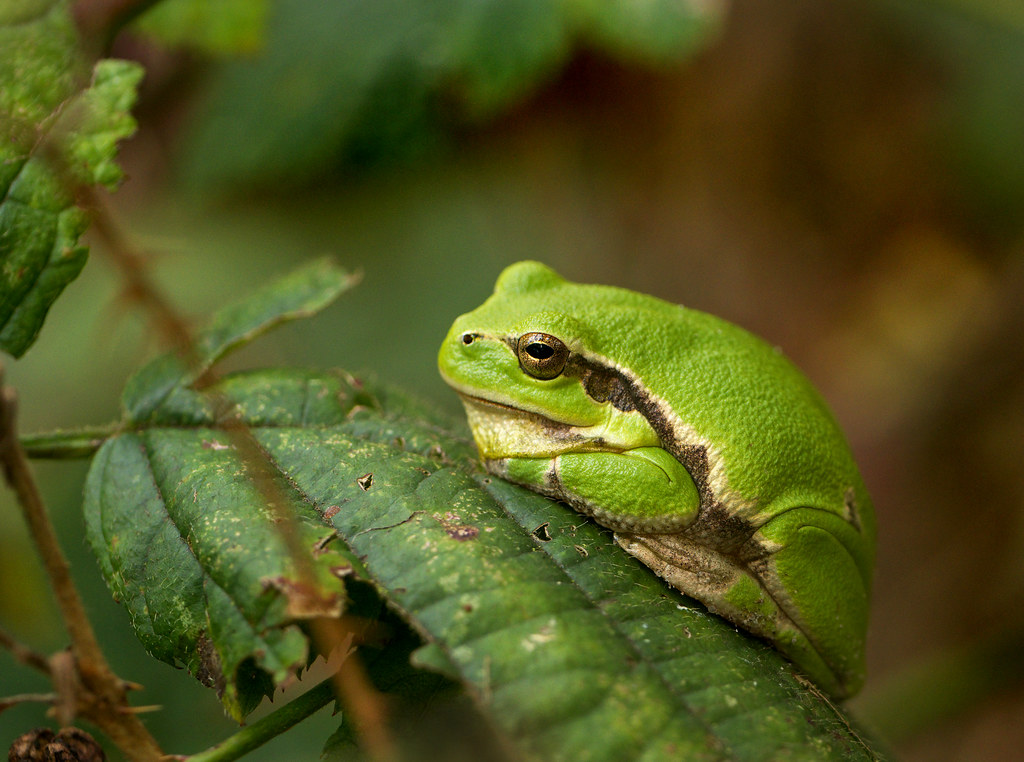
European tree frogs are vibrant, emerald-green amphibians recognized by a bold dark stripe running from the nostril down each flank to the hip. Adhesive toe pads allow them to scale smooth leaves and branches with ease, living high in sunlit vegetation near breeding ponds. During spring twilight, males inflate huge throat sacs to produce loud, duck-like croaking choruses that echo across wetlands.
ArborealAmphibianVocal
—observations
—countries
—peak records
Least ConcernConservation statusIUCN Red List categoriesLCNTVUENCREWEXLeast ConcernRed List categories, explained →
Diet & prey
- Flies
- Beetles
- Spiders
Predators
- Grass Snake
- Grey Heron
- White Stork
ThreatsWetland drainage, agricultural pesticides, water pollution, road mortality
HabitatsDeciduous broadleaf forests, sunlit ponds, meadows, wetlands
Life span5–15 years
Size / weightNot available
Classification
- FamilyHylidae
- SpeciesHyla arborea
Range data is not available yet.
Interaction riskLow
- Low
- Moderate
- High
- Very high
- Why interaction risk is low
- Safe to observe at a normal distance.
- What to notice
- Small bright green frog with dark lateral stripes on flanks and suction-pad toes perched on sunlit leaves near water.
- Support conservation
- Keep a respectful distance, avoid disturbing breeding ponds, and never pick up wild frogs.
Responsible observation
- Listening: Listen for their surprisingly loud, rhythmic croaking choruses on warm spring evenings near ponds.
- Spotting: Look for bright green spots resting on sunny brambles, reeds, or low shrub branches near water.
- Etiquette: Observe from a distance and avoid handling, as skin secretions and human chemicals easily cross amphibian skin.
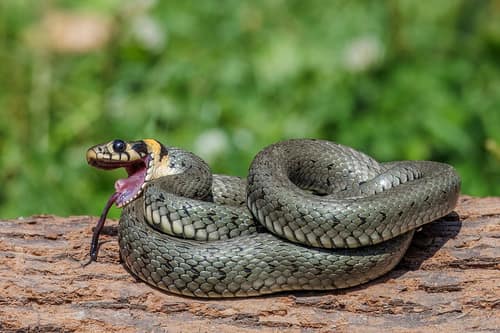
Predator Charles J. Sharp / CC BY-SA 4.0 · cc-by-sa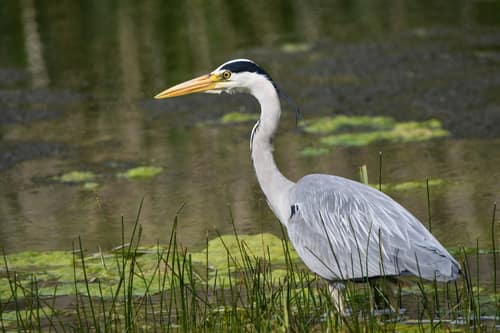
Predator (c) Frank Sengpiel, some rights reserved (CC BY), uploaded by Frank Sengpiel · cc-by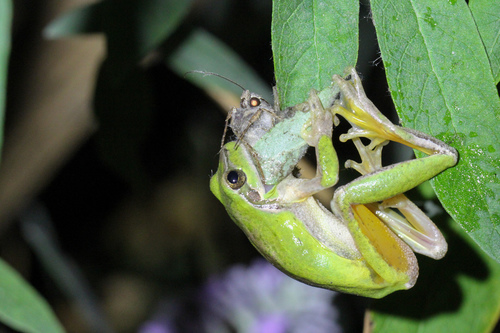
Close Relative (c) Thomas Galewski, some rights reserved (CC BY), uploaded by Thomas Galewski · cc-by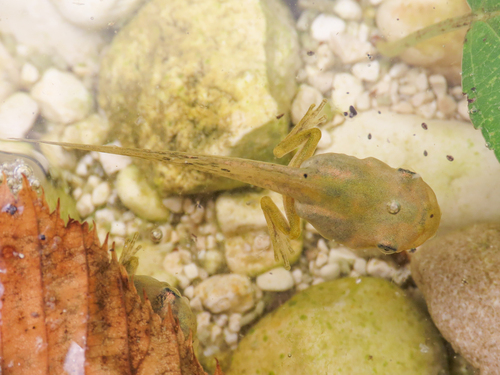
Close Relative (c) Emanuele Santarelli, some rights reserved (CC BY-SA) · cc-by-sa
Help improve the field guideSomething wrong?
Checking your Fauna account…Report a name, category, or profile issue for review.