
Amphibian · GBIF taxon 2427549
Cope's Gray Tree Frog
Hyla chrysoscelisAlso known as Southern Gray Treefrog
Cope's gray treefrogs are master impressionists of rough lichen-covered bark, changing color from pale gray to bright green within minutes based on temperature and substrate. Males establish singing perches high in woodland canopies each spring, producing a fast, buzzy trill to attract mates to temporary forest pools. Expanded sticky toe pads allow them to scale vertical tree trunks and glass windows in search of nocturnal insects.
ArborealCamouflageNocturnal
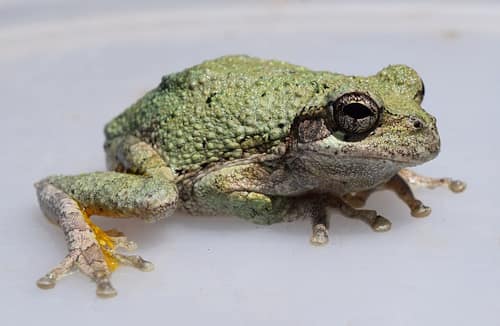
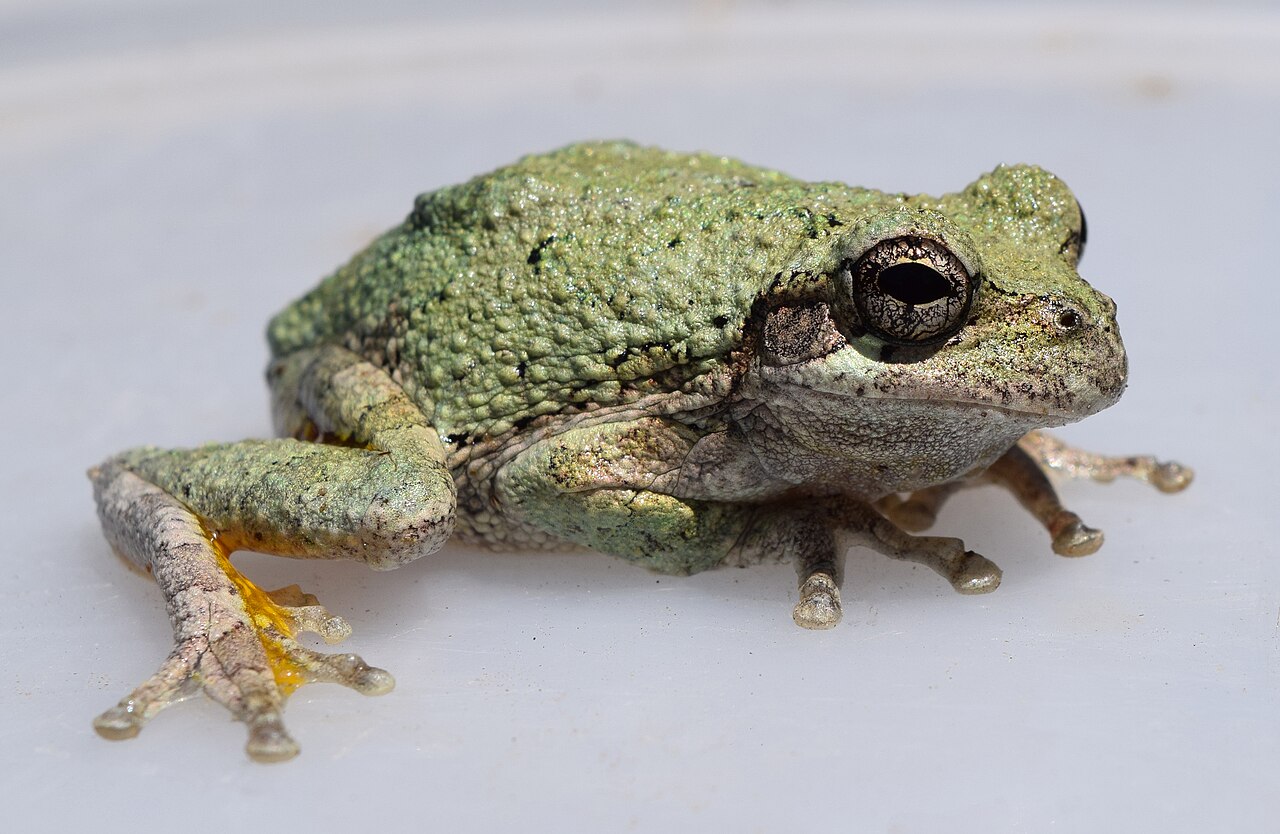
Licensed referenceFredlyfish4 / CC BY-SA 4.0 · cc-by-sa
—observations
—countries
—peak records
Least ConcernConservation statusIUCN Red List categoriesLCNTVUENCREWEXLeast ConcernRed List categories, explained →
Diet & prey
- Moths
- Beetles
- Spiders
Predators
- Garter snakes
- Opossums
- Birds of prey
ThreatsHabitat loss, wetland drainage, pesticides, and extreme drought
HabitatsDeciduous forests, mixed woodlands, swamps, and vegetated suburban yards
Life span7 to 10 years
Size / weightNot available
Classification
- FamilyHylidae
- SpeciesHyla chrysoscelis
Range data is not available yet.
Interaction riskLow
- Low
- Moderate
- High
- Very high
- Why interaction risk is low
- Skin secretions can irritate eyes and mucous membranes; wash hands thoroughly after handling.
- Why it is dangerous
- Produces mild toxic peptides in skin secretions that cause stinging or burning if transferred to eyes, nose, or open wounds.
- How to recognize a risky encounter
- Look for bright yellow or orange patches beneath the thighs coupled with rough, warty skin.
- What to do
- Observe without handling, or wash hands immediately with soap and clean water after direct contact.
Responsible observation
- Listening for Calls: Listen on warm summer nights after rain for their fast, high-pitched buzzy trill near water sources.
- Checking Porch Lights: Look around outdoor light fixtures where moths and beetles gather after dusk.
- Safe Observation: Keep a respectful distance and avoid touching frogs to protect their sensitive, permeable skin.
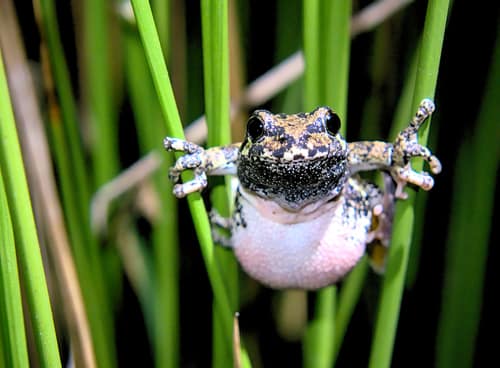
Look-Alike (c) Blake Ross, some rights reserved (CC BY), uploaded by Blake Ross · cc-by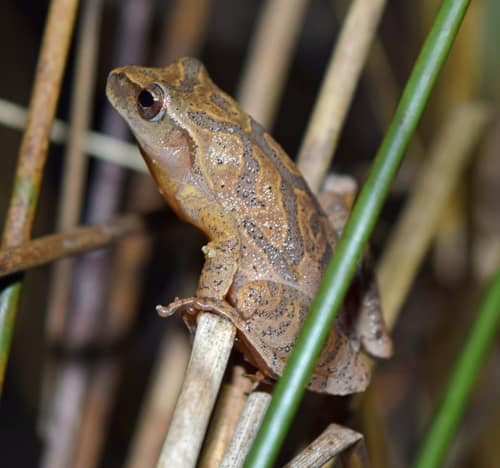
Breeding Neighbor (c) Fredlyfish4, some rights reserved (CC BY-SA) · cc-by-sa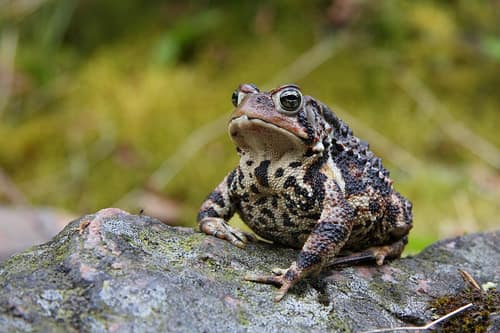
Breeding Neighbor Cephas / CC BY-SA 3.0 · cc-by-sa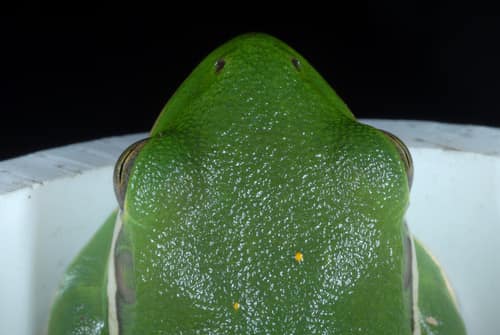
Close Relative (c) Douglas Goldman, some rights reserved (CC BY-SA), uploaded by Douglas Goldman · cc-by-sa
Help improve the field guideSomething wrong?
Checking your Fauna account…Report a name, category, or profile issue for review.