
Amphibian
Rio Grande Leopard Frog
Lithobates berlandieriAlso known as Mexican Leopard Frog, Berlandier's Frog
Rio Grande leopard frogs thrive along arid waterways, using broken dorsolateral ridges and dark, pale-haloed spots to blend into grassy shorelines. Males gather in calm shallows to produce distinctive chuckling trills and guttural grunts, primarily calling after warm rainstorms. Resilient and adaptable, they frequently colonize artificial cattle tanks and irrigation canals, securing footholds throughout desert landscapes.
AmphibianRiparianNocturnal
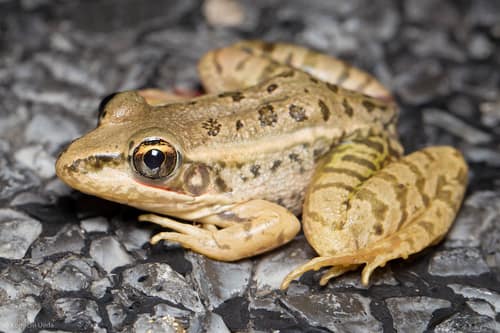
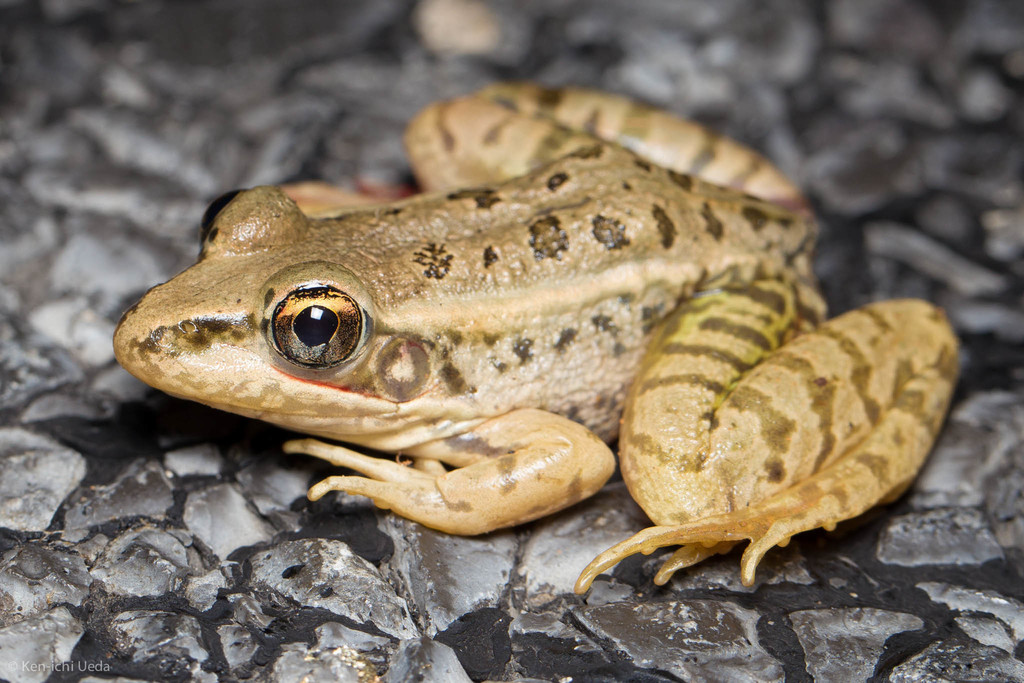
—observations
—countries
—peak records
Least ConcernConservation statusIUCN Red List categoriesLCNTVUENCREWEXLeast ConcernRed List categories, explained →
Diet & preyBeetles, Grasshoppers, Dragonfly nymphs
Predators
- Water snakes
- Herons
- Raccoons
ThreatsRiparian habitat loss, severe drought, water pollution, and invasive bullfrogs
HabitatsSprings, desert riparian corridors, streams, marshes, and cattle stock ponds
Life span3–6 years
Classification
- OrderAnura
- FamilyRanidae
- GenusLithobates
- SpeciesLithobates berlandieri
Range data is not available yet.
Interaction riskLow
- Low
- Moderate
- High
- Very high
- Why interaction risk is low
- Safe to observe at a normal distance.
Responsible observation
- Flashlight survey: Sweep bank vegetation after dusk to locate their brilliant golden eye reflections.
- Listen for calls: Listen during warm, wet evenings for deep chuckles and short grating rattles.
- Observe without handling: Avoid touching wild amphibians to prevent transferring harmful oils or lotions to their permeable skin.
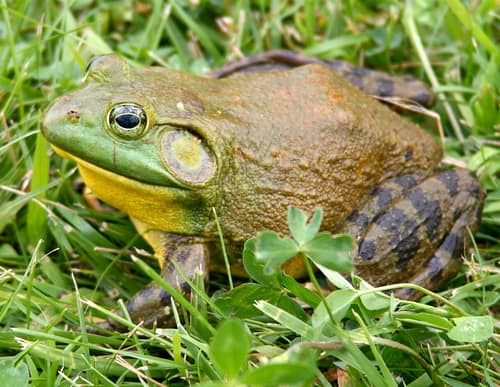
Competitor Carl D. Howe / CC BY-SA 2.5 · cc-by-sa
Predator (c) Mila Turov, some rights reserved (CC BY) · cc-by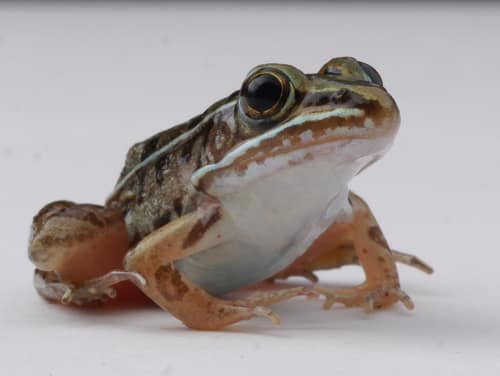
Close Relative (c) Matt Muir, some rights reserved (CC BY), uploaded by Matt Muir · cc-by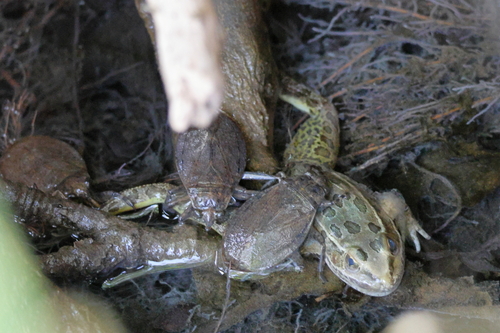
Close Relative (c) Isaac Ethington, some rights reserved (CC BY) · cc-by
Keep collecting in Fauna
Found in Collections
Ecosystem chain
Wetland Territory
Rio Grande Leopard Frog is found in this collection. Identify it in Fauna to fill this slot and continue your progress.
—/12
Help improve the field guideSomething wrong?
Checking your Fauna account…Report a name, category, or profile issue for review.