
Amphibian · GBIF taxon 2426805
European Common Frog
Rana temporariaAlso known as Grass Frog
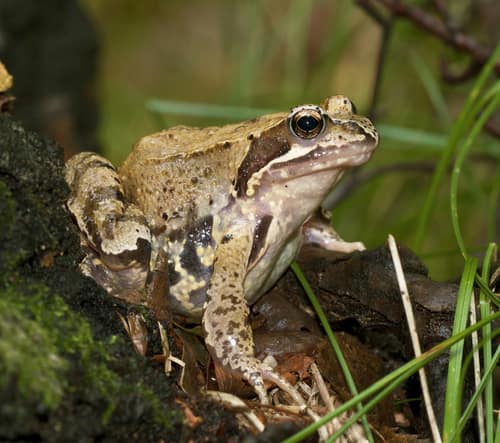
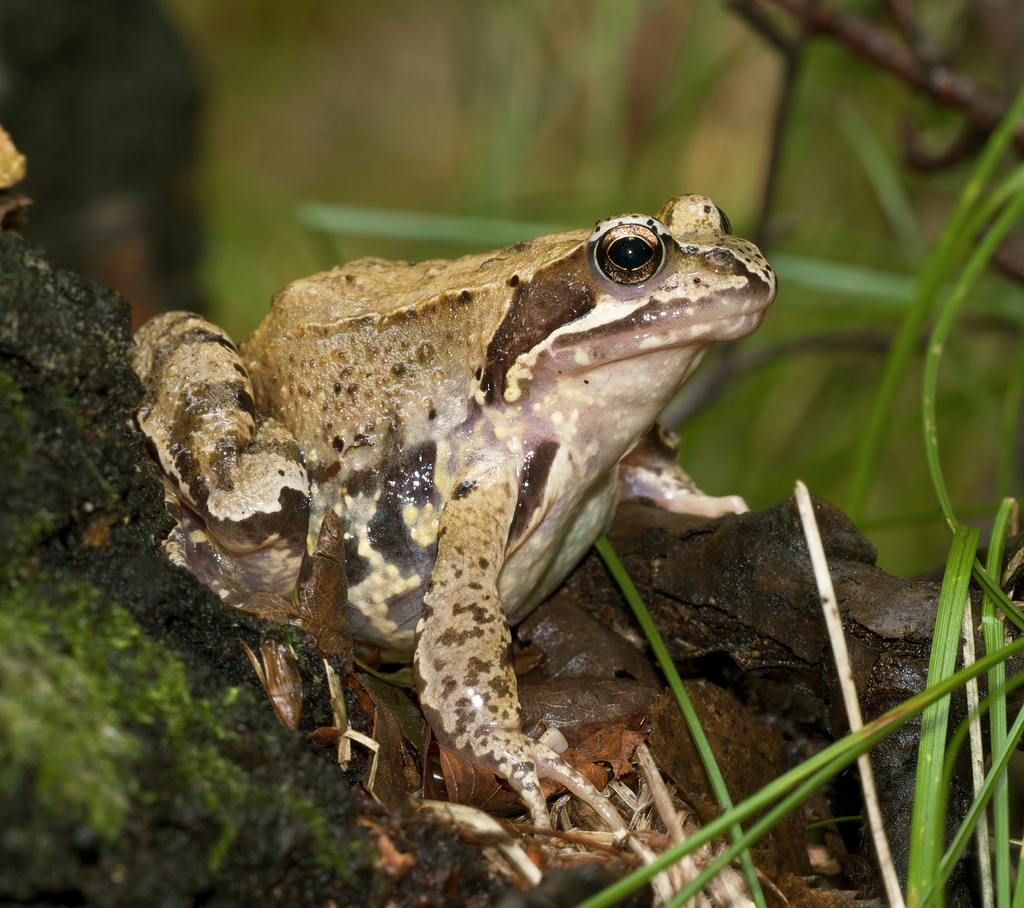
European Common Frogs vary from olive and brown to reddish tones but usually show a dark mask behind each eye. Away from breeding ponds they hunt across damp grass and leaf litter, returning to still water for early spring spawning.
Semi-aquatic FrogDark Eye MaskSpring Breeder
—observations
—countries
—peak records
Least ConcernConservation statusIUCN Red List categoriesLCNTVUENCREWEXLeast ConcernRed List categories, explained →
Diet & prey
- Beetles
- Slugs
- Earthworms
Predators
- Herons
- Grass snakes
- Otters
ThreatsPond loss, road mortality, pollution, disease, drought, and introduced predators
HabitatsPonds, wet grassland, gardens, woodland, bogs, river margins, and moorland
Life spanOften 5 to 10 years, with some individuals living longer
Size / weightNot available
Classification
- OrderAnura
- FamilyRanidae
- GenusRana
- SpeciesRana temporaria
Range data is not available yet.
Interaction riskLow
- Low
- Moderate
- High
- Very high
- Why interaction risk is low
- Avoid handling because amphibian skin absorbs contaminants and is easily damaged.
Responsible observation
- Mask: Look for a dark patch running behind each eye.
- Ground: Search damp vegetation near water without lifting logs or cover.
Keep collecting in Fauna
Found in Collections
Ecosystem chain
Wetland Territory
European Common Frog is found in this collection. Identify it in Fauna to fill this slot and continue your progress.
—/12
Help improve the field guideSomething wrong?
Checking your Fauna account…Report a name, category, or profile issue for review.