
Amphibian · GBIF taxon 2426550
Ethiopian Banana Frog
Afrixalus enseticolaAlso known as Bonga Banana Frog, Ethiopian Leaf-Folding Frog
Ethiopian banana frogs spend their lives amidst the broad leaves of ensete plants and montane foliage high in the Ethiopian Highlands. Like other members of their genus, females fold and glue leaves together using a sticky secretion to protect their eggs near water sources. Habitat loss from deforestation and agricultural expansion poses a severe threat to these specialized highland amphibians.
AmphibianEndemicHighland
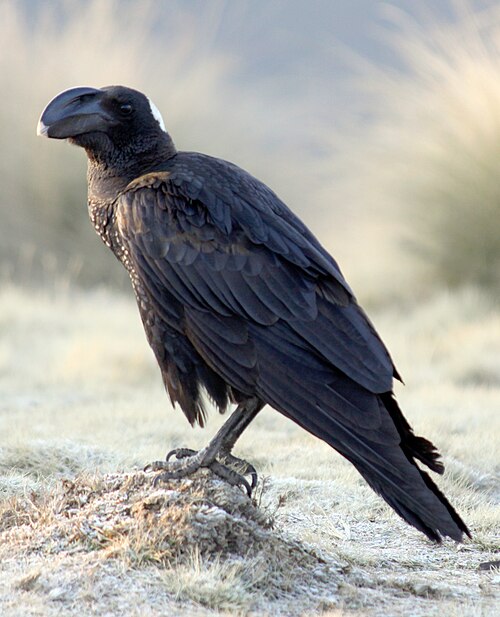
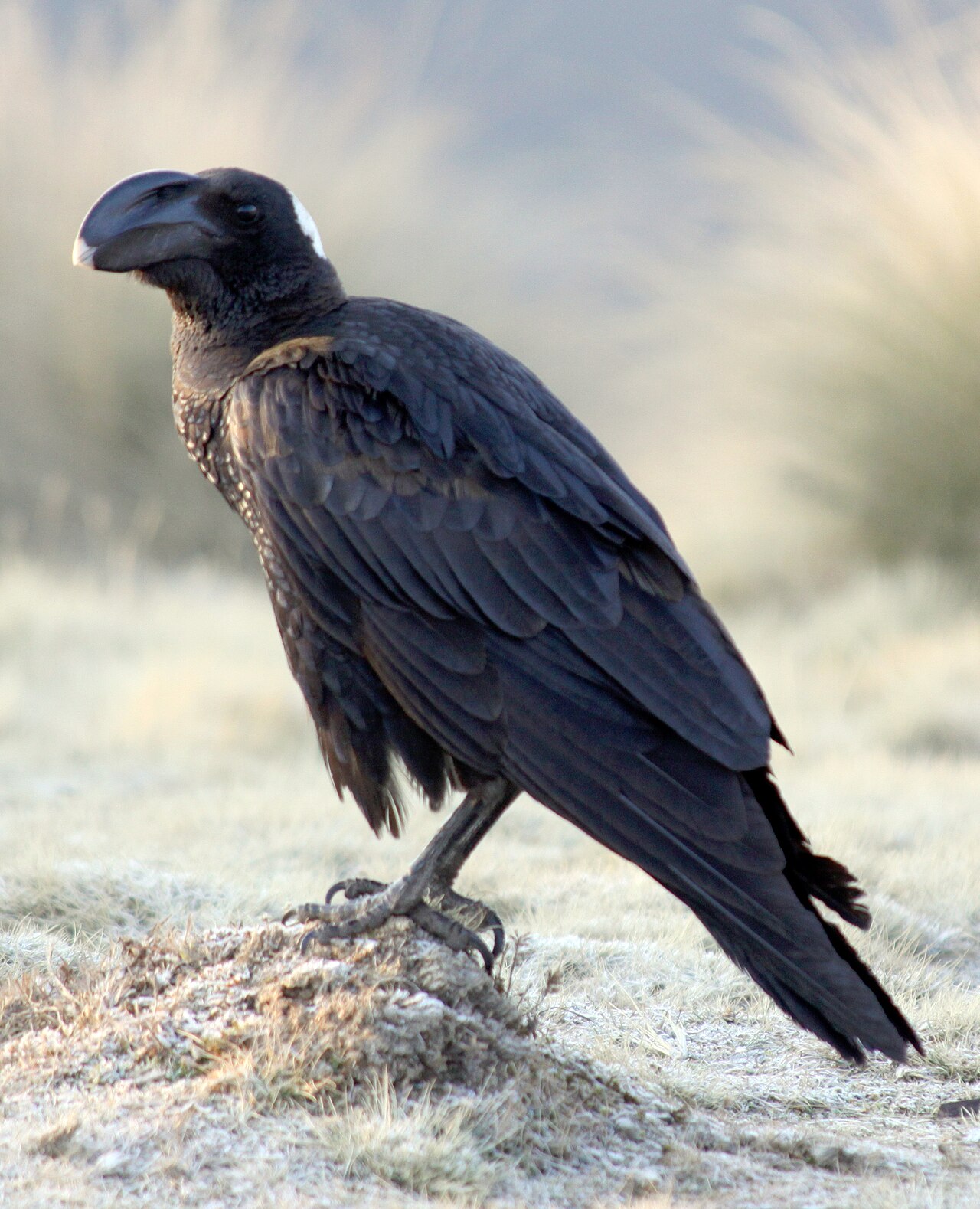
Licensed referenceDonald Macauley / CC BY-SA 2.0 · cc-by-sa
—observations
—countries
—peak records
VulnerableConservation statusIUCN Red List categoriesLCNTVUENCREWEXVulnerableRed List categories, explained →
Diet & prey
- Flies
- Mosquitoes
- Small Beetles
Predators
- Snakes
- Birds
- Spiders
ThreatsDeforestation, agricultural expansion, and habitat fragmentation
HabitatsMontane forests, ensete plantations, highland streams, and wetlands
Life span3–5 years
Size / weightNot available
Classification
- FamilyHyperoliidae
- SpeciesAfrixalus enseticola
Range data is not available yet.
Interaction riskLow
- Low
- Moderate
- High
- Very high
- Why interaction risk is low
- Safe to observe at a normal distance.
- What to notice
- Recognize this tiny yellowish-green frog by its slender body perched on ensete leaves.
- Support conservation
- Observe quietly without disturbing vegetation, especially folded leaves containing egg masses.
Responsible observation
- Listen for calls: Listen at night for soft buzzing calls emanating from ensete leaves.
- Use nocturnal searches: Search broad leaves with a flashlight after dusk during rainy seasons.
- Protect vegetation: Avoid unfurling glued leaves, which hold delicate developing egg clutches.
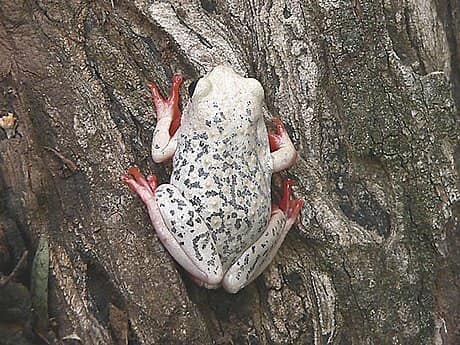
Hyperoliid Cousin (c) ChriKo, some rights reserved (CC BY-SA) · cc-by-sa Image unavailable
Close Relative Close Relative
Help improve the field guideSomething wrong?
Checking your Fauna account…Report a name, category, or profile issue for review.