
Amphibian
Wallum Froglet
Crinia tinnulaAlso known as Tinkling Froglet
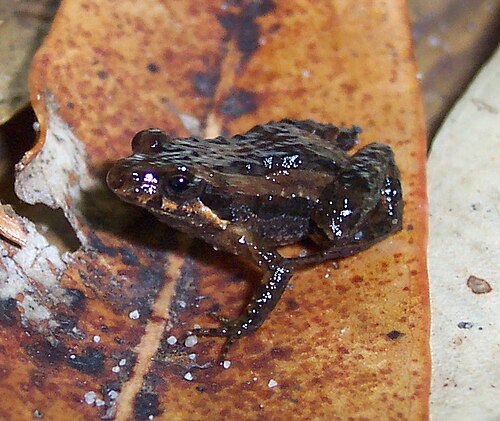
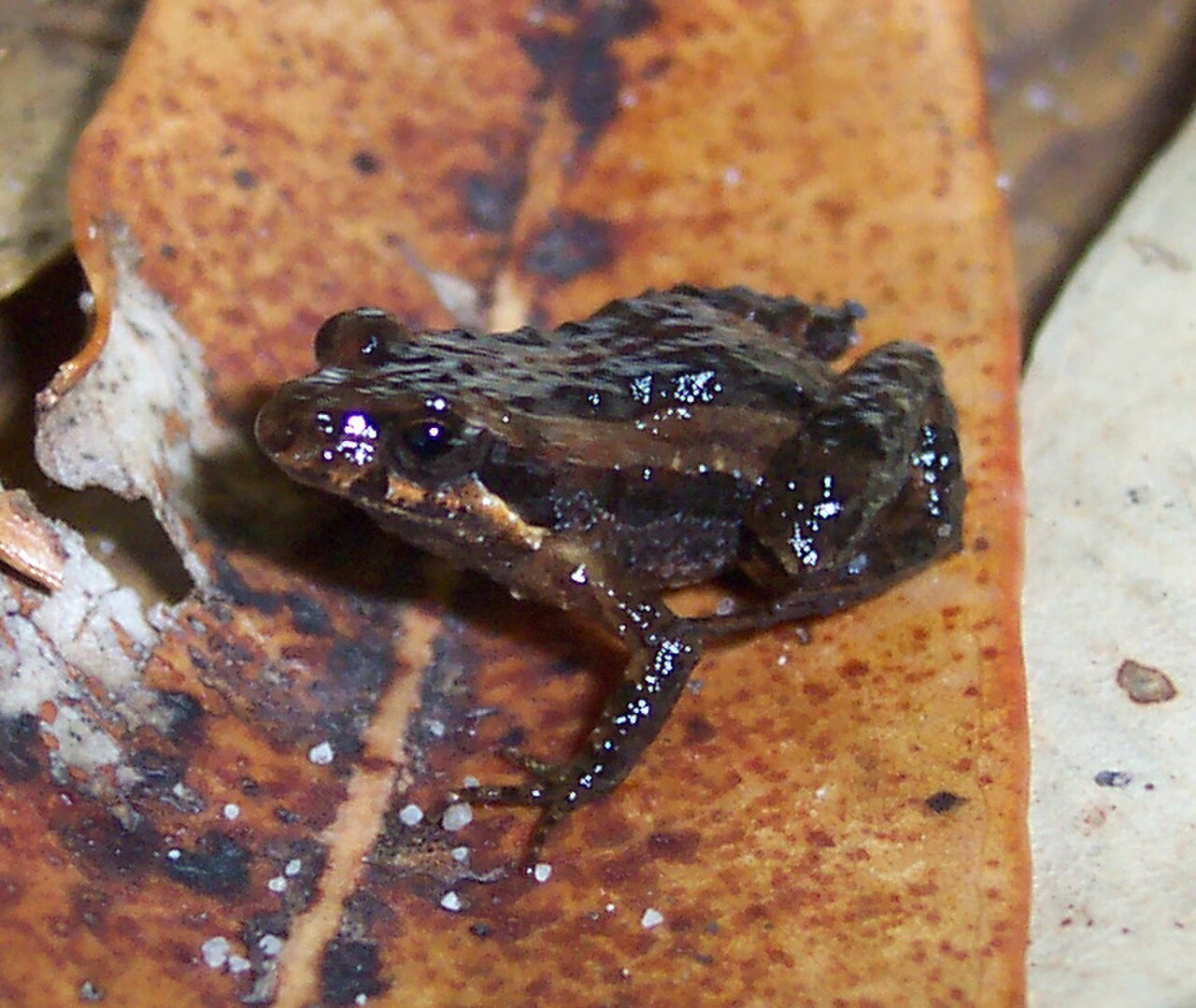
Wallum froglets are tiny, ground-dwelling amphibians specially adapted to thrive in highly acidic, nutrient-poor coastal peatlands and paperbark swamps. Males betray their presence during or after rains with a high-pitched, metallic chiming call that rings out from dense sedge tussocks like a tiny bell. Habitat destruction and drainage across east-coast heathlands have sharply curtailed their specialized swamp environments, making them a key indicator of pristine coastal wetland health.
Acid SpecialistVocal
—observations
—countries
—peak records
VulnerableConservation statusIUCN Red List categoriesLCNTVUENCREWEXVulnerableRed List categories, explained →
Diet & preySpringtails, Tiny ants, Small dipteran flies
Predators
- Red-bellied Black Snake
- White-faced Heron
- Carnivorous beetle larvae
ThreatsUrban development, altered groundwater hydrology, peat fires, pine forestry
HabitatsWallum heathland, acidic paperbark swamps, coastal sedgelands
Life span3–6 years
Classification
- FamilyMyobatrachidae
- SpeciesCrinia tinnula
Range data is not available yet.
Interaction riskLow
- Low
- Moderate
- High
- Very high
- Why interaction risk is low
- Safe to observe at a normal distance.
- What to notice
- Look for a minuscule mottled brown frog with a pale ventral surface and a distinct bell-like call.
- Support conservation
- Do not capture or handle wild individuals, and avoid disturbing sensitive swamp edge vegetation.
Responsible observation
- Listening: Locate calling males by their distinctive, sharp metallic tink repeated every few seconds.
- Footwear Hygiene: Disinfect boots before visiting coastal bogs to prevent spreading chytrid fungus.
- Boardwalk Etiquette: Stick to designated platforms to avoid crushing delicate peat mats and breeding pools.
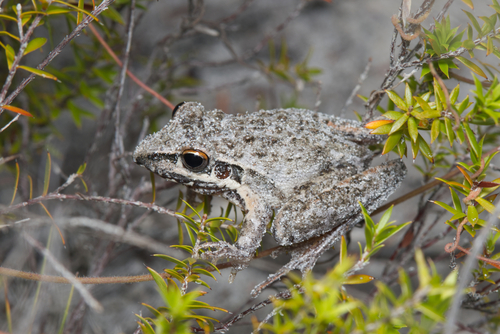
Habitat Companion (c) Nigel Main, some rights reserved (CC BY) · cc-by Image unavailable
Habitat Companion 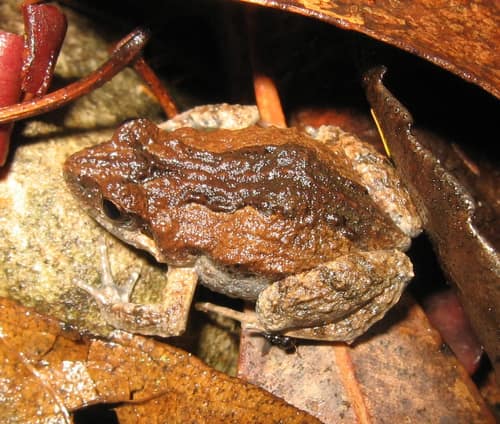
Close Relative Wikimedia Commons / CC BY-SA 3.0 · cc-by-sa
Help improve the field guideSomething wrong?
Checking your Fauna account…Report a name, category, or profile issue for review.