
Amphibian · GBIF taxon 2424455
Colombian Horned Frog
Ceratophrys calcarataAlso known as Venezuelan Horned Frog
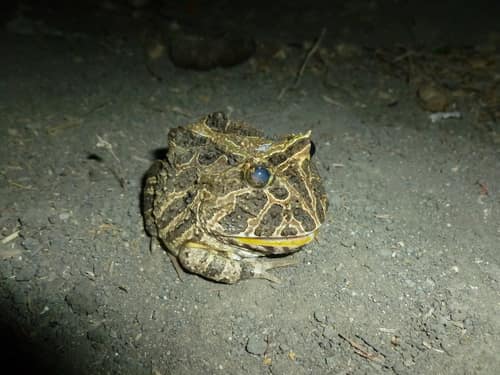
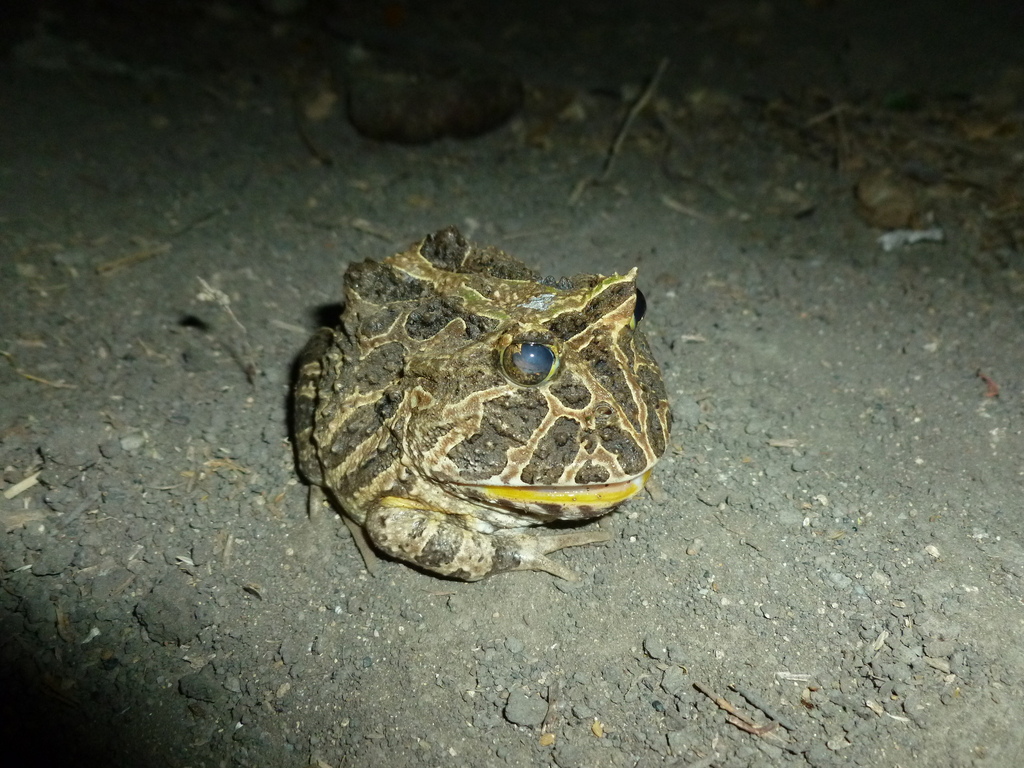
Colombian horned frogs are robust ambush predators that spend much of their lives buried in soil with only their eyes and massive mouths exposed. During wet seasons in their dry lowland habitats, males gather in intermittent freshwater pools to call for mates. Their wide gape and muscular jaws allow them to overpower large prey in a single explosive strike.
AmphibianCamouflagedPredatory
—observations
—countries
—peak records
Least ConcernConservation statusIUCN Red List categoriesLCNTVUENCREWEXLeast ConcernRed List categories, explained →
Diet & prey
- Insects
- Small lizards
- Smaller amphibians
Predators
- Birds of prey
- Snakes
- Mammalian carnivores
ThreatsHabitat conversion for agriculture and local collection for the exotic pet trade
HabitatsDry savanna, tropical dry shrubland, lowland grassland, and intermittent marshes
Life span10–15 years
Size / weightNot available
Classification
- FamilyCeratophryidae
- SpeciesCeratophrys calcarata
Range data is not available yet.
Interaction riskLow
- Low
- Moderate
- High
- Very high
- Why interaction risk is low
- Has powerful jaws and sharp bony projections that can inflict a painful bite if handled.
- Why it is dangerous
- Muscular jaws and sharp odontoid structures on the lower jaw can easily break human skin if the frog bites defensively.
- How to recognize a risky encounter
- Recognizable by a round, squat body, a head almost half its body length, and small horn-like projections over the eyes.
- What to do
- Keep hands far away from the mouth and view this species from a safe distance without touching.
Responsible observation
- Observe Quietly: Look closely at leaf litter and loose soil where only the head remains exposed.
- Avoid Handling: Human skin oils can harm their sensitive skin, and their defensive bite is painful.
 Image unavailable
Close Relative Close Relative Close Relative
Help improve the field guideSomething wrong?
Checking your Fauna account…Report a name, category, or profile issue for review.