
Amphibian · GBIF taxon 2422956
Malabar Tree Toad
Pedostibes tuberculosusAlso known as Warty Asian Tree Toad, Western Ghats Tree Toad
Malabar tree toads are specialized arboreal amphibians adapted to the ancient wet evergreen forests of India's Western Ghats. Unlike most terrestrial toads, adults possess expanded, adhesive toe discs that allow them to scale vertical tree trunks and reside inside water-filled tree cavities. During the onset of the monsoon, males emerge from the canopy to call from low vegetation near temporary forest streams.
ArborealEndemicAmphibian
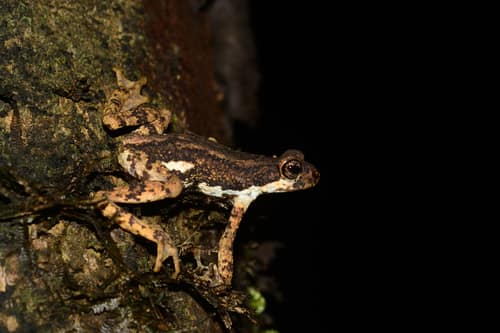
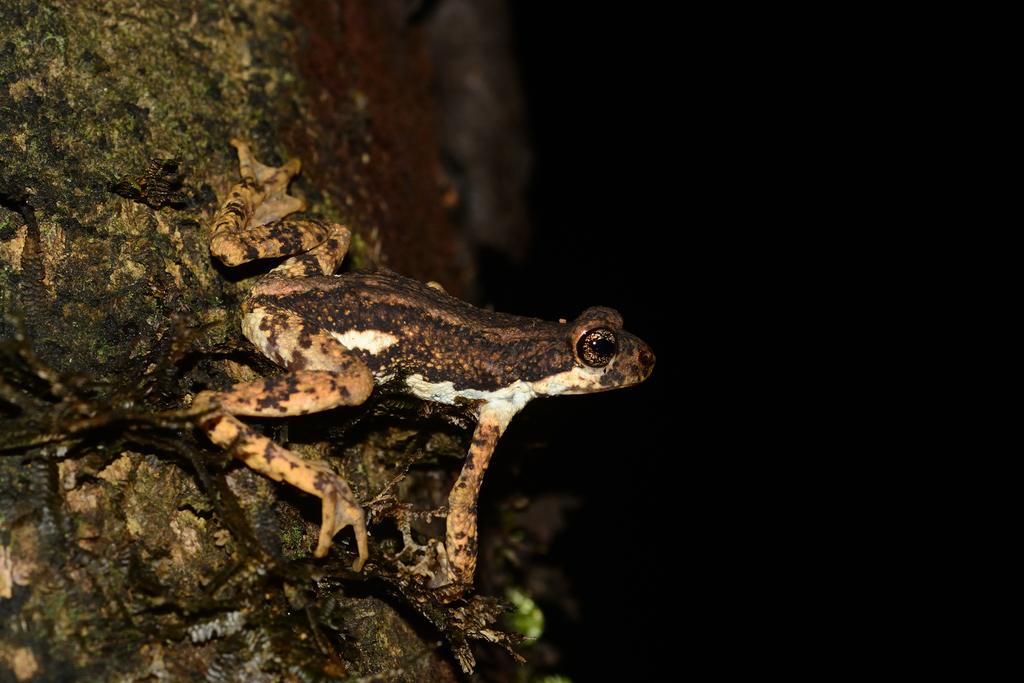
—observations
—countries
—peak records
Least ConcernConservation statusIUCN Red List categoriesLCNTVUENCREWEXLeast ConcernRed List categories, explained →
Diet & prey
- Ants
- Termites
- Small beetles
Predators
- Tree snakes
- Forest birds
- Small mammals
ThreatsDeforestation, habitat fragmentation, stream degradation, climate change
HabitatsTropical wet evergreen forests, tree hollows, leaf bases
Life span5–8 years
Size / weightNot available
Classification
- FamilyBufonidae
- SpeciesPedostibes tuberculosus
Range data is not available yet.
Interaction riskLow
- Low
- Moderate
- High
- Very high
- Why interaction risk is low
- Safe to observe at a normal distance.
- What to notice
- Recognized by its small size, warty skin, flattened body, and distinctly dilated toe tips suited for climbing trees.
- Support conservation
- Maintain a respectful distance and avoid touching or disturbing water-filled tree hollows where eggs and tadpoles develop.
Responsible observation
- Monsoon Listening: Listen for high-pitched piping calls near tree hollows during early monsoon rains.
- Habitat Respect: Avoid shining bright flashlights directly into tree cavities where they rest.
- Low Impact: Stick to designated forest trails to avoid trampling delicate breeding sites near streams.
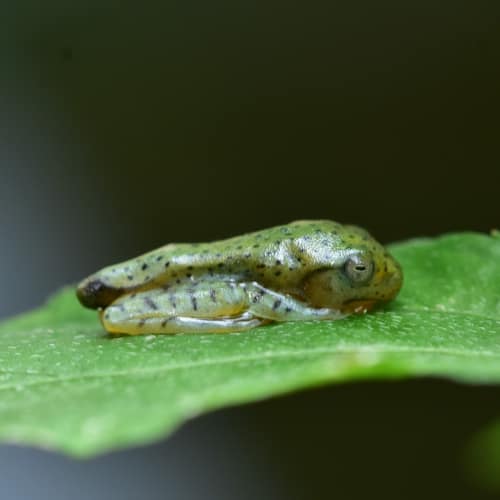
Frequent Companion (c) Renjith Jacob Mathews, some rights reserved (CC BY), uploaded by Renjith Jacob Mathews · cc-by Image unavailable
Close Neighbor 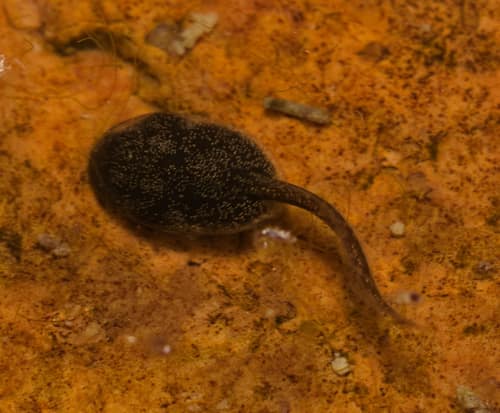
Close Relative (c) portioid, some rights reserved (CC BY), uploaded by portioid · cc-by
Help improve the field guideSomething wrong?
Checking your Fauna account…Report a name, category, or profile issue for review.