
Amphibian · GBIF taxon 2422916
Southern Toad
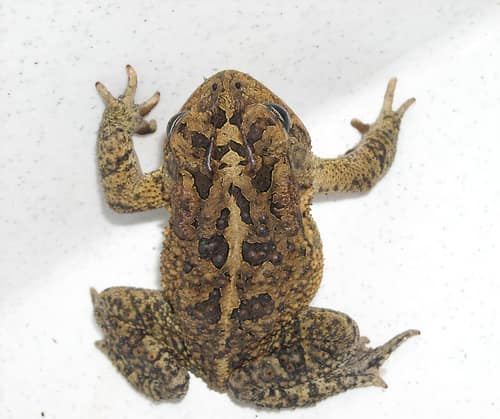
Anaxyrus terrestrisThe Southern Toad is a stout southeastern toad with warty skin, pronounced cranial crests, and large parotoid glands. It shelters in sandy burrows by day, then walks across forest floors and developed ground at night to hunt invertebrates.
burrowing toadnocturnal insectivorecranial crests

—observations
—countries
—peak records
Least ConcernConservation statusIUCN Red List categoriesLCNTVUENCREWEXLeast ConcernRed List categories, explained →
Diet & prey
- beetles
- ants
- roaches
Predators
- hognose snakes
- wading birds
- raccoons
ThreatsWetland loss, road mortality, pesticides, drought, disease, and free-roaming pets
HabitatsPine flatwoods, sandy woodland, scrub, swamps, gardens, farms, and temporary pools
Life spanOften five to ten years
Size / weightNot available
Classification
- OrderAnura
- FamilyBufonidae
- GenusAnaxyrus
- SpeciesAnaxyrus terrestris
Range data is not available yet.
Interaction riskHigh
- Low
- Moderate
- High
- Very high
- Why interaction risk is high
- Parotoid secretions can irritate eyes and poison pets that mouth a toad.
- Why it is dangerous
- Defensive parotoid secretions can irritate sensitive tissue and cause poisoning when swallowed by people or pets.
- How to recognize a risky encounter
- A large warty toad with prominent head crests and oval poison glands behind the eyes.
- What to do
- Do not handle it or allow pets to mouth it; prevent contact and rinse contaminated eyes with clean water.
Responsible observation
- Identify: Note the high head crests and large glands behind the eyes.
- Contact: Observe hands-off and keep children and pets away.
Help improve the field guideSomething wrong?
Checking your Fauna account…Report a name, category, or profile issue for review.