
Amphibian
Oak Toad
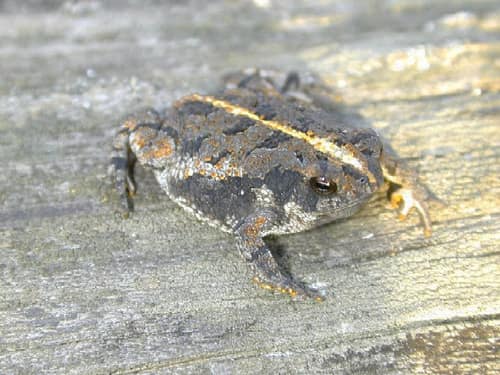
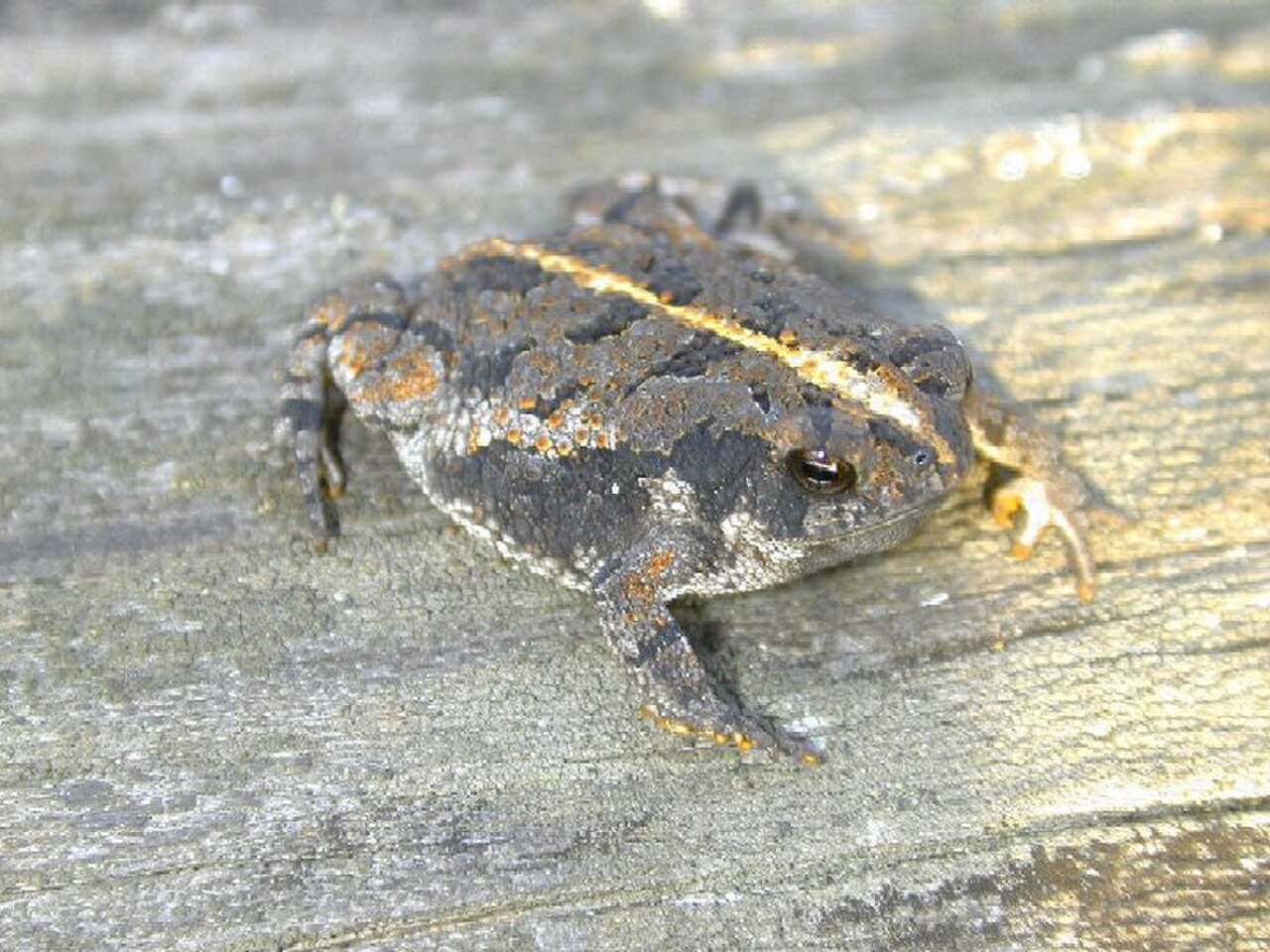
Anaxyrus quercicusOak toads are the smallest toad species in North America, often recognized by their striking diurnal activity as they forage openly across the leaf litter in broad daylight. Breeding males congregate in ephemeral pools and water-filled ditches after torrential spring and summer downpours, inflating a distinctive vocal sac to emit high-pitched peeps resembling baby chicks. Their camouflaged, warty bodies blend seamlessly among fallen pine needles, making them surprisingly elusive despite being active during the warmest hours of the day.
AmphibianDiurnalDiminutive
—observations
—countries
—peak records
Least ConcernConservation statusIUCN Red List categoriesLCNTVUENCREWEXLeast ConcernRed List categories, explained →
Diet & preyAnts, Tiny beetles, Mites
Predators
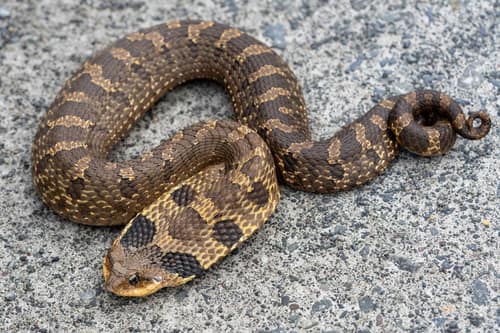
- Eastern Hognose Snake
- Ribbon Snake
- American Crow
ThreatsHabitat loss from urban development, fire suppression, and drainage of ephemeral wetlands
HabitatsLongleaf pine flatwoods, oak scrub, maritime forests, and sandy savannas
Life span2–4 years
Classification
- OrderAnura
- FamilyBufonidae
- GenusAnaxyrus
- SpeciesAnaxyrus quercicus
Range data is not available yet.
Interaction riskHigh
- Low
- Moderate
- High
- Very high
- Why interaction risk is high
- Skin secretions contain mild toxins harmful to pets; keep curious dogs from mouthing or swallowing them.
- Why it is dangerous
- Parotoid glands secrete bufadienolide toxins that cause severe oral irritation, drooling, and vomiting if mouthed by dogs or cats.
- How to recognize a risky encounter
- Look for a tiny dark toad with a prominent, light yellowish or white stripe running down the center of its back.
- What to do
- Keep pets on a leash near damp leaf litter and observe these tiny amphibians from a respectful distance without touching.
Responsible observation
- Look low: Scan sandy soil and pine straw patches during midday warmth, when these toads hunt actively.
- Listen after rain: Listen near shallow roadside puddles and flooded ditches for high, bird-like peeping calls.
- Observe without handling: Avoid handling with bare hands, as bug repellents and lotions can harm amphibian skin.
Predator (c) evangrimes, some rights reserved (CC BY), uploaded by evangrimes · cc-by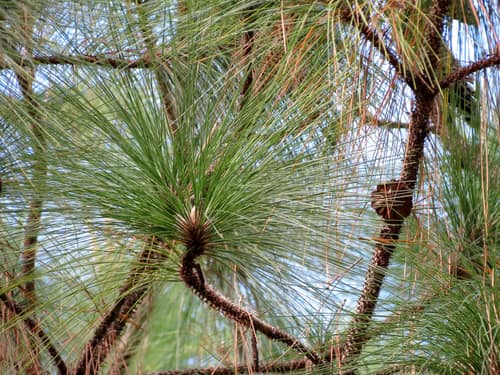
Host Plant (c) Katja Schulz, some rights reserved (CC BY) · cc-by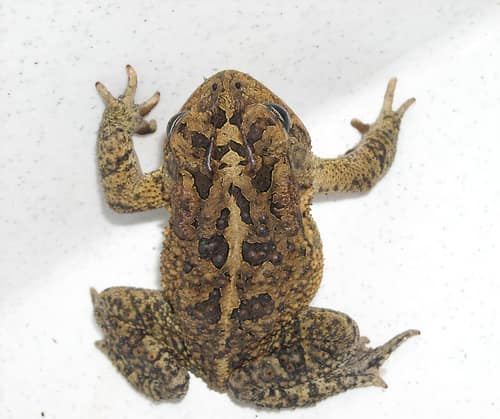
Close Relative Norman.benton / Public domain · cc0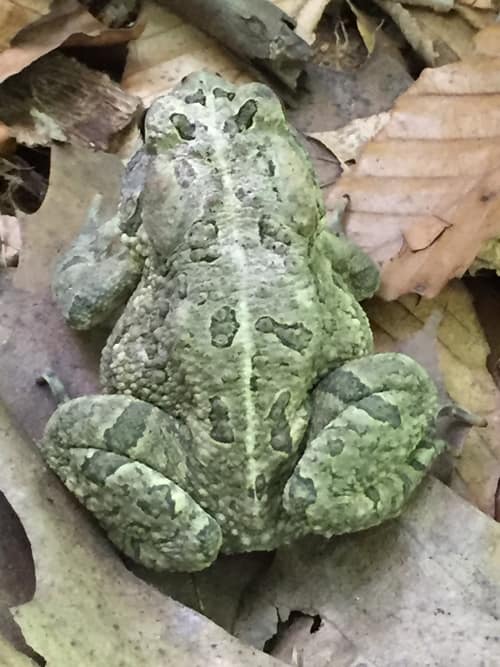
Close Relative no rights reserved · cc0
Help improve the field guideSomething wrong?
Checking your Fauna account…Report a name, category, or profile issue for review.