
Amphibian
Great Plains Toad
Anaxyrus cognatusAlso known as Plains Toad
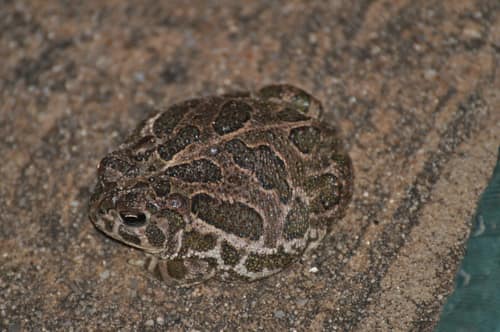
Great Plains toads are robust amphibians easily recognized by large, symmetrical dark blotches outlined in light borders along their backs. During spring and early summer rains, males gather in temporary pools to produce a loud, prolonged, mechanical-sounding trill that carries over a mile. They spend dry periods buried underground in self-dug burrows, emerging primarily on humid nights to hunt small invertebrates.
NocturnalTerrestrialAmphibian

—observations
—countries
—peak records
Least ConcernConservation statusIUCN Red List categoriesLCNTVUENCREWEXLeast ConcernRed List categories, explained →
Diet & preyBeetles, Ants, Cutworms
Predators
- Hognose snakes
- Swainson's hawks
- Coyotes
ThreatsHabitat loss, pesticide use, heavy road traffic, severe droughts
HabitatsGrasslands, prairies, agricultural fields, floodplains, deserts
Life span5–10 years
Classification
- OrderAnura
- FamilyBufonidae
- GenusAnaxyrus
- SpeciesAnaxyrus cognatus
Range data is not available yet.
Interaction riskHigh
- Low
- Moderate
- High
- Very high
- Why interaction risk is high
- Parotoid secretions are toxic to pets if chewed; wash hands after touching.
- Why it is dangerous
- Parotoid glands behind the eyes secrete bufotoxins that cause severe irritation, profuse foaming, and cardiac distress if ingested by pets.
- How to recognize a risky encounter
- Look for large paired dark blotches with pale borders along the back and prominent swollen glands directly behind the eyes.
- What to do
- Avoid handling with bare skin, keep pets on a leash near breeding pools, and wash hands immediately if touched.
Responsible observation
- Observing at Night: Use a flashlight after warm summer rains along prairie edges to spot actively foraging individuals.
- Handling Precautions: Wash hands thoroughly after touching to avoid transferring parotoid secretions to sensitive eyes.
- Pet Safety: Keep dogs away, as mouth contact with bufotoxins causes intense foaming and nausea.
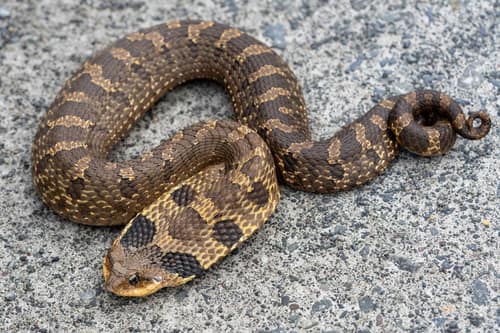
Predator (c) evangrimes, some rights reserved (CC BY), uploaded by evangrimes · cc-by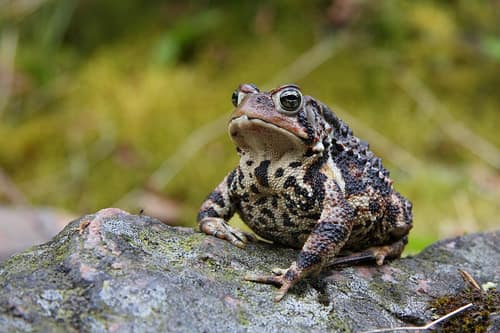
Close Relative Cephas / CC BY-SA 3.0 · cc-by-sa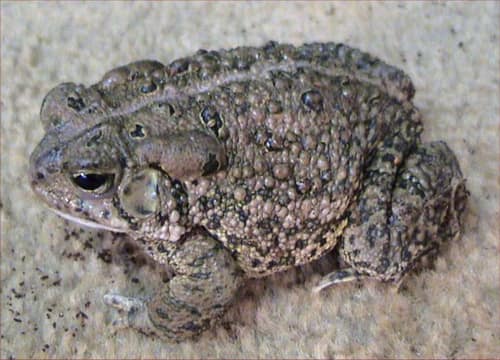
Close Relative Wikimedia Commons / CC BY-SA 2.5 · cc-by-sa Image unavailable
Close Relative
Help improve the field guideSomething wrong?
Checking your Fauna account…Report a name, category, or profile issue for review.