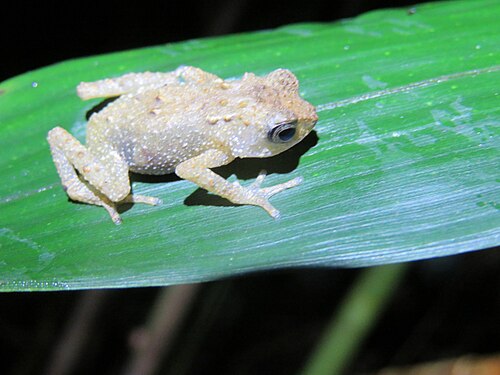
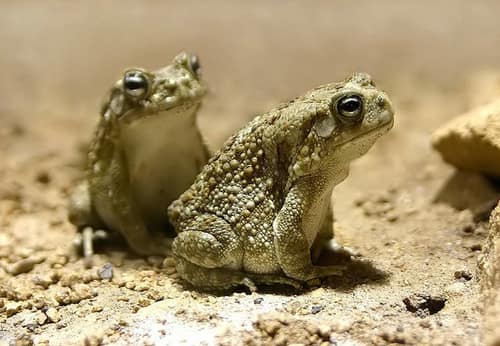
Kihansi spray toads are remarkably small amphibians uniquely adapted to the perpetual misty microclimate generated by cascading waterfalls in Tanzania's Kihansi Gorge. Unlike most anurans that lay eggs in standing water, females give birth directly to fully formed toadlets through internal fertilization and live-bearing reproduction. After a dam altered water flow and chytrid fungus struck, the wild population collapsed entirely, making this toad a flagship survivor saved solely by intensive zoo breeding programs.
ThreatsHydrological alteration from upstream dam construction, chytridiomycosis (Batrachochytrium dendrobatidis), and extremely restricted geographic range
HabitatsMist-drenched rocky spray zones along steep waterfall gorges
Life span4–8 years
Classification
FamilyBufonidae
SpeciesNectophrynoides asperginis
Range & activity
Range data is not available yet.
Safe observation
Interaction riskLow
Low
Moderate
High
Very high
Why interaction risk is low
Safe to observe at a normal distance.
What to notice
Recognized by its tiny golden-yellow to bronze body, translucent belly, and lack of external ear membranes in waterfall mist zones.
Support conservation
Never touch or disturb reintroduced individuals or wild experimental enclosures; adhere strictly to certified biosecurity guidelines.
Responsible observation
Viewing: Look for captive assurance colonies on display at select accredited institutions like the Bronx Zoo and Toledo Zoo.
Hygiene: Support strict biosecurity protocols designed to halt the transmission of fungal pathogens between amphibian populations.
Habitat Care: Avoid disrupting micro-sprinkler misting systems installed during wild reintroduction trials in the Kihansi Gorge.

 Image unavailable