
Amphibian · GBIF taxon 2422444
Golden Toad
Incilius periglenesAlso known as Monte Verde Toad, Alajuela Toad, Orange Toad
Golden toad males displayed a brilliant, uniform neon-orange skin, while females were significantly larger and mottled with olive green, yellow, and red patches outlined in black. During the spring breeding season, hundreds gathered around temporary rainwater pools among the moss-draped roots of Monteverde elfin forests to mate and lay eggs. Their sudden population collapse in the late 1980s became a global warning signal for amphibian declines driven by climate anomalies and fungal disease.
EndemicBrightly Colored
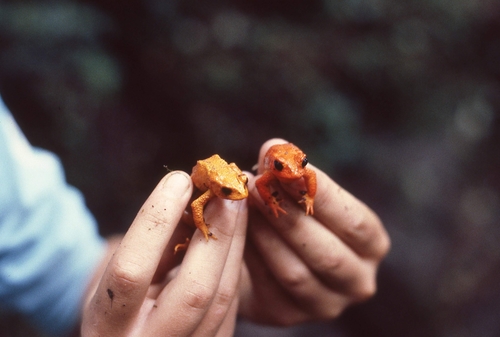
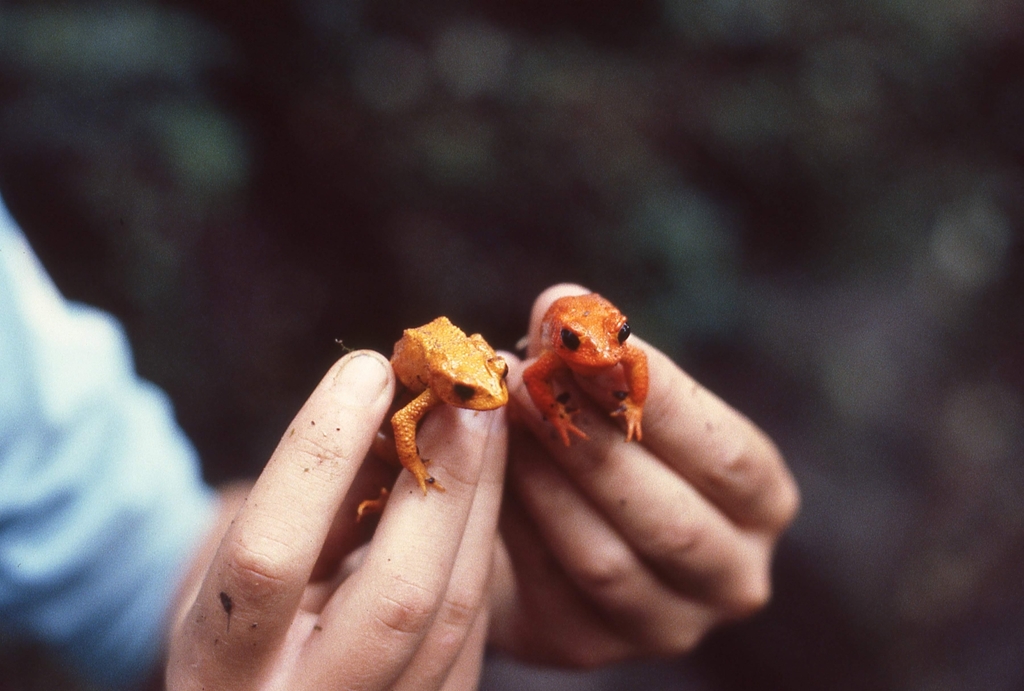 1 / 2
1 / 2—observations
—countries
—peak records
ExtinctConservation statusIUCN Red List categoriesLCNTVUENCREWEXExtinctRed List categories, explained →
Diet & prey
- Ants
- Flies
- Small Beetles
Predators
- Birds
- Snakes
- Large Spiders
ThreatsChytrid fungus (Chytridiomycosis), climate change, localized range
HabitatsHigh-altitude elfin cloud forest
Life span5–10 years (estimated)
Size / weightNot available
Classification
- OrderAnura
- FamilyBufonidae
- GenusIncilius
- SpeciesIncilius periglenes
Range data is not available yet.
Interaction riskHigh
- Low
- Moderate
- High
- Very high
- Why interaction risk is high
- Extinct species; no living individuals remain in the wild.
Responsible observation
- Historical Sightings: Lived exclusively in a tiny four square kilometer area of Monteverde, Costa Rica.
- Museum Specimens: Preserved specimens remain in select scientific and natural history collections.
- Conservation Legacy: Serves as a key emblem for tracking global amphibian health and climate risks.
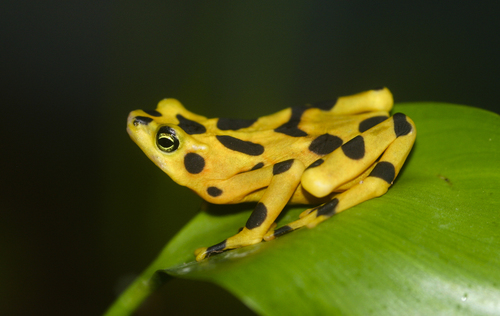
Cloud Forest Amphibian (c) Brian Gratwicke, some rights reserved (CC BY) · cc-by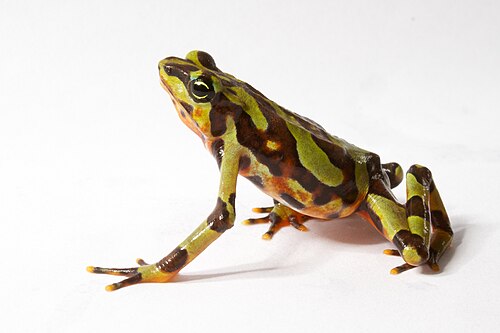
Co-occurring Amphibian Brian.gratwicke / CC BY-SA 3.0 · cc-by-sa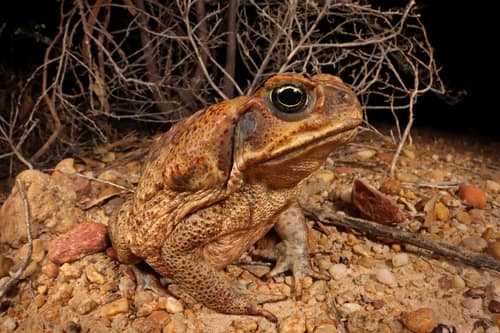
Family Relative (c) Connor Margetts, some rights reserved (CC BY), uploaded by Connor Margetts · cc-by
Help improve the field guideSomething wrong?
Checking your Fauna account…Report a name, category, or profile issue for review.