
Amphibian · GBIF taxon 2422404
Gulf Coast Toad
Incilius nebuliferAlso known as Coastal Plains Toad
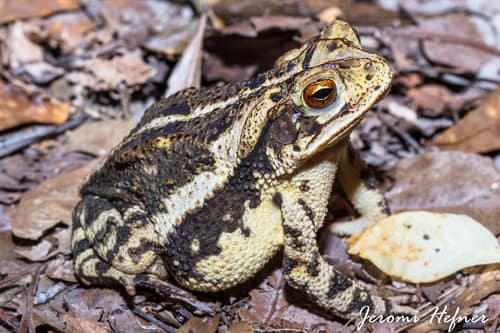
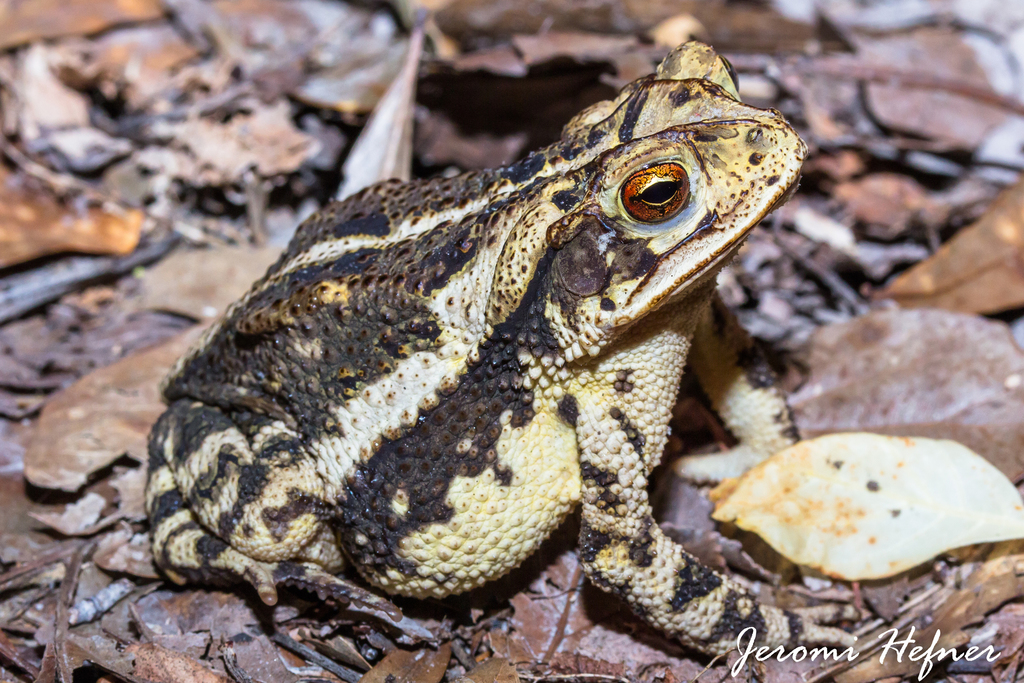
The Gulf Coast Toad is a sturdy, warty amphibian with pronounced head crests and a pale stripe down the back. It adapts to natural and developed landscapes, emerging at night to hunt and breeding in ponds, ditches, or temporary pools.
Night-active ToadTemporary PoolsHabitat Generalist
—observations
—countries
—peak records
Least ConcernConservation statusIUCN Red List categoriesLCNTVUENCREWEXLeast ConcernRed List categories, explained →
Diet & prey
- Beetles
- Ants
- Roaches
Predators
- Snakes
- Herons
- Raccoons
ThreatsRoad mortality, pesticide exposure, draining of breeding sites, drought, and disease
HabitatsCoastal prairie, woodland, barrier islands, gardens, towns, ditches, and temporary water
Life spanOften several years; favorable individuals may live close to a decade
Size / weightNot available
Classification
- OrderAnura
- FamilyBufonidae
- GenusIncilius
- SpeciesIncilius nebulifer
Range data is not available yet.
Interaction riskHigh
- Low
- Moderate
- High
- Very high
- Why interaction risk is high
- Parotoid secretions can irritate eyes and may poison pets that mouth the toad.
- Why it is dangerous
- Defensive gland secretions can irritate human mucous membranes and sicken a pet that bites or swallows the toad.
- How to recognize a risky encounter
- Look for strong cranial crests, large glands behind the eyes, warty skin, and a pale dorsal stripe.
- What to do
- Avoid handling; keep pets back, and wash hands thoroughly after any accidental contact.
Responsible observation
- Distance: Let the toad cross without touching or redirecting it.
- Pets: Keep dogs and cats from investigating wild toads.
- Listen: Breeding males give a harsh rolling trill near shallow water.
Help improve the field guideSomething wrong?
Checking your Fauna account…Report a name, category, or profile issue for review.