
Amphibian · GBIF taxon 2421766
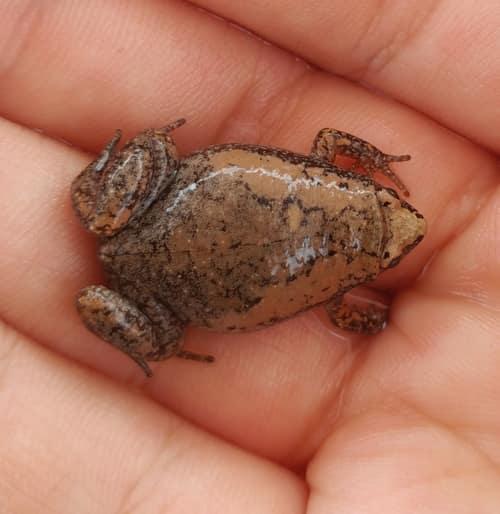
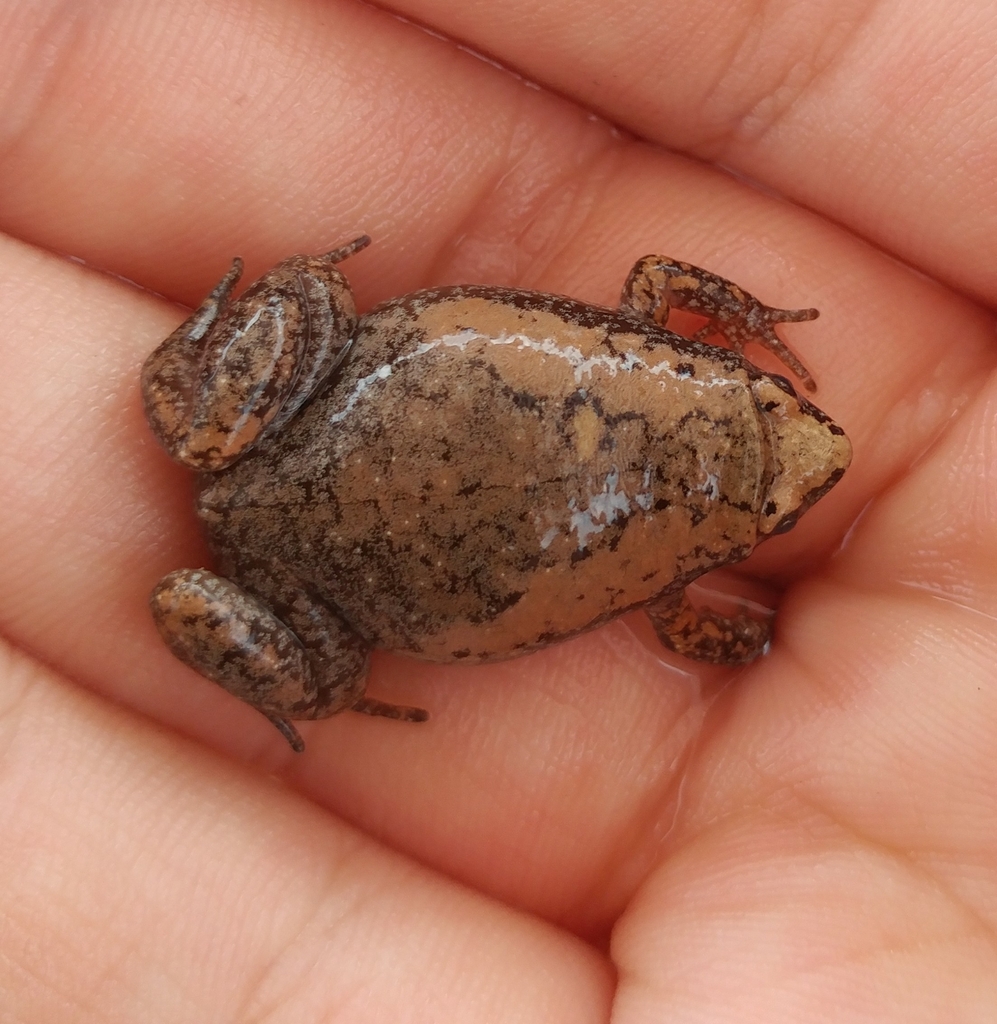
Eastern Narrow-mouthed Toad
Gastrophryne carolinensisAlso known as Eastern Narrowmouth Toad, Bleating Frog
Eastern narrow-mouthed toads spend most of their lives underground or buried beneath damp leaf litter, emerging primarily on warm rainy nights to breed in flooded fields and ephemeral pools. Their distinctive bleating call sounds remarkably like a crying lamb or a buzzing electric fence, reverberating across southeastern wetlands in late spring and summer. Specialized physical features, including a fold of skin behind the eyes that can sweep away swarming insects, allow them to feast almost exclusively on aggressive ant colonies without harm.
FossorialNocturnalInsectivore
 1 / 7
1 / 7—observations
—countries
—peak records
Least ConcernConservation statusIUCN Red List categoriesLCNTVUENCREWEXLeast ConcernRed List categories, explained →
Diet & prey
- Ants
- Termites
- Small Beetles
Predators
- Ribbon Snake
- Bullfrog
- Raccoon
ThreatsHabitat loss, wetland drainage, and chemical runoff
HabitatsDamp pine flatwoods, hardwood forests, meadows, and coastal lowlands
Life span3–6 years
Size / weightNot available
Classification
- OrderAnura
- FamilyMicrohylidae
- GenusGastrophryne
- SpeciesGastrophryne carolinensis
Range data is not available yet.
Interaction riskLow
- Low
- Moderate
- High
- Very high
- Why interaction risk is low
- Safe to observe at a normal distance; wash hands after handling to prevent eye irritation.
Responsible observation
- Listen for Calls: Listen for lamb-like bleat vocalizations around rainwater pools on warm nights.
- Look Under Cover: Search beneath rotting logs, flat stones, or moist leaf litter during the day.
- Wash Hands: Always wash hands thoroughly after handling to avoid transferring irritating skin secretions.
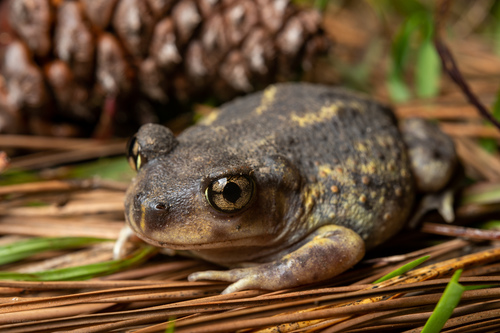
Co-Occurring Amphibian (c) evangrimes, some rights reserved (CC BY), uploaded by evangrimes · cc-by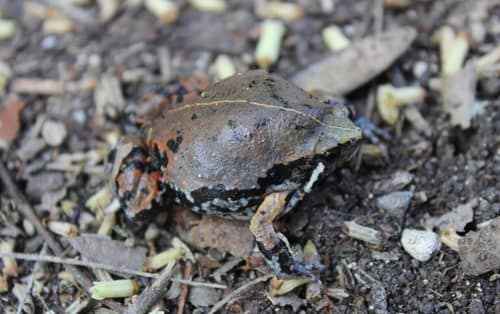
Close Relative (c) Ricard Busquets Reverte, some rights reserved (CC BY) · cc-by
Help improve the field guideSomething wrong?
Checking your Fauna account…Report a name, category, or profile issue for review.