
Amphibian
Purple Frog
Nasikabatrachus sahyadrensisAlso known as Indian Purple Frog, Mahabali Frog, Pignose Frog
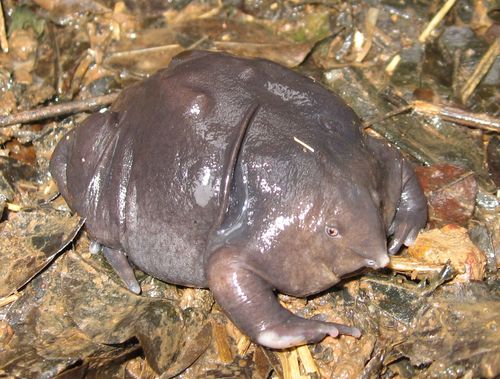
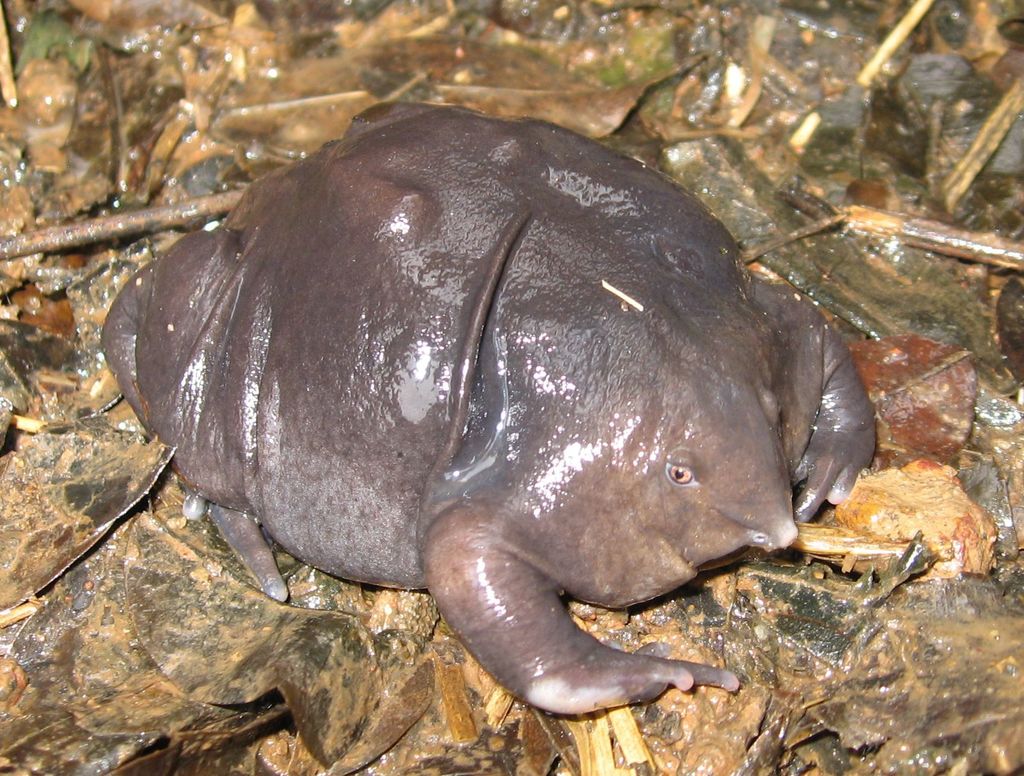
Purple frogs spend nearly their entire lives buried up to four meters underground, using a specialized wedge-shaped skull and stout spade-like feet to dig through soil. They emerge for only a few days during pre-monsoon rains to breed along fast-flowing mountain streams, where males call from shallow burrows with a rhythmic cluck. Adults feed almost exclusively on subterranean termites using a specialized protrusible tongue.
EndemicBurrowingAmphibian
—observations
—countries
—peak records
Near ThreatenedConservation statusIUCN Red List categoriesLCNTVUENCREWEXNear ThreatenedRed List categories, explained →
Diet & preyTermites, Ants, Soil invertebrates
Predators
- Snakes
- Monitor lizards
- Large birds
ThreatsHabitat loss, dam construction, stream siltation, and road mortality during emergence
HabitatsSubterranean soil in tropical moist evergreen forests and stream margins
Life span10–15 years
Classification
- FamilyNasikabatrachidae
- SpeciesNasikabatrachus sahyadrensis
Range data is not available yet.
Interaction riskLow
- Low
- Moderate
- High
- Very high
- Why interaction risk is low
- Safe to observe at a normal distance.
- What to notice
- Look for a bloated purple body with a pale pointed snout and small eyes along rain-swollen streams.
- Support conservation
- Maintain distance, minimize artificial lighting, and avoid stepping on stream banks where burrows are located.
Responsible observation
- Monsoon Calls: Listen for muffled, chicken-like clucks coming from muddy burrows during heavy pre-monsoon rains.
- Stream Safety: Watch your step along muddy torrent stream banks where breeding pairs emerge briefly.
- Lighting Etiquette: Use low-intensity red light to observe active individuals without disrupting mating behavior.
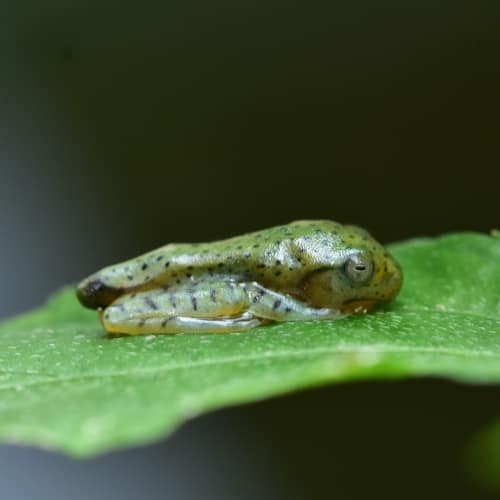
Frequent Companion (c) Renjith Jacob Mathews, some rights reserved (CC BY), uploaded by Renjith Jacob Mathews · cc-by Image unavailable
Close Relative Sister Family
Help improve the field guideSomething wrong?
Checking your Fauna account…Report a name, category, or profile issue for review.