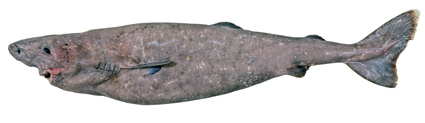
Also known as Grey Shark, Gurry Shark, Sleeper Shark
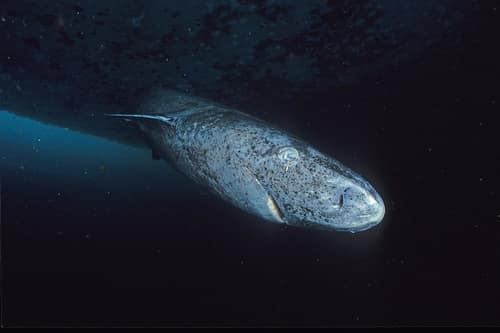
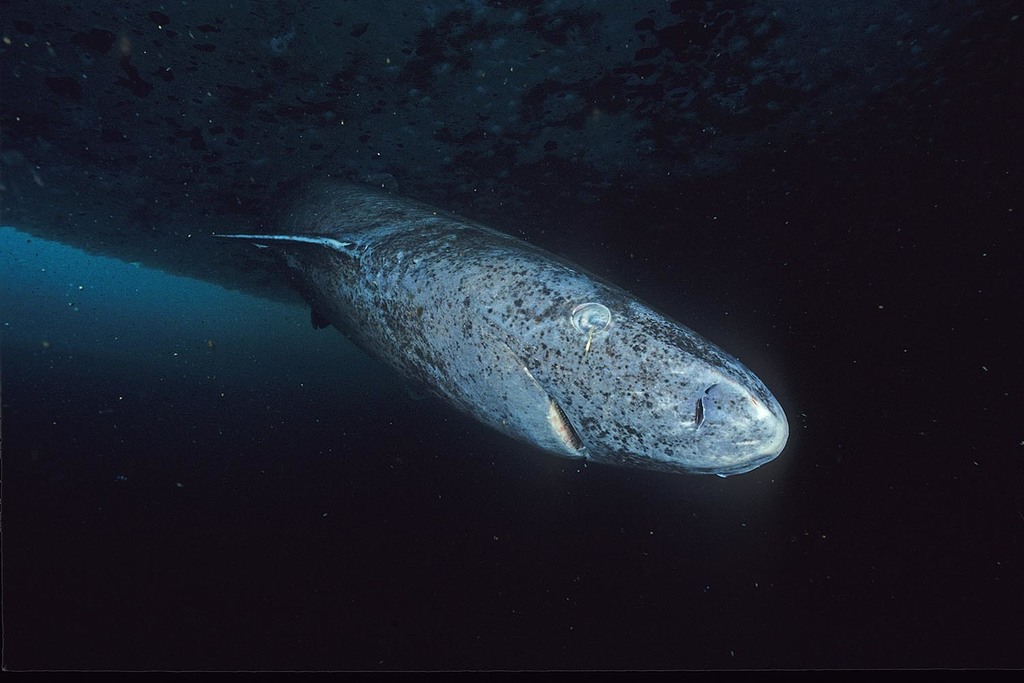
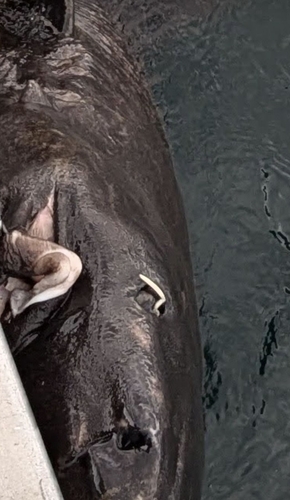
Gliding sluggishly through freezing Arctic depths, Greenland sharks are among the longest-lived vertebrates on Earth, capable of surviving for several centuries. These massive apex scavengers rely on a keen sense of smell to track fallen whales, fish, and seals in near-total darkness. Their eyes are frequently host to pinkish parasitic copepods that hang from the corneas, though the sharks navigate effortlessly using olfaction and electroreception.
Raw meat contains toxic compounds and their massive size requires giving swimming individuals wide berth.
Why it is dangerous
Raw tissues contain high levels of trimethylamine oxide, which breaks down into toxic compounds upon ingestion, while their immense mass poses physical danger.
How to recognize a risky encounter
Recognized by its dark grey cylindrical body, small rounded fins, sluggish swimming motion, and milky eyes.
What to do
Never consume unprocessed raw tissue and allow swimming individuals ample space.
What to notice
Identified by its heavy dark body, tiny dorsal fins, and slow tail sweeps in frigid waters.
Support conservation
Avoid target fishing or disturbance and follow regional conservation guidelines for deep-sea fauna.
Responsible observation
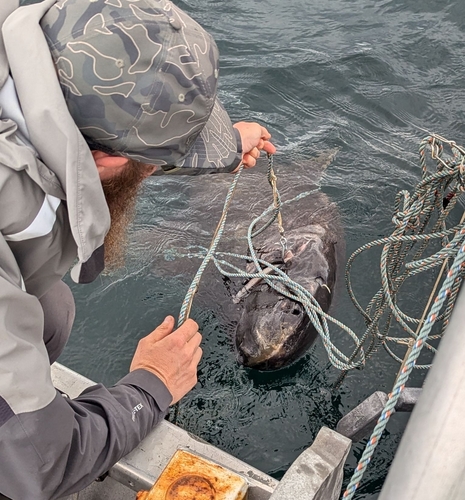
Observer Space: Maintain a respectful distance during rare shallow water or fjord encounters.
Data Contribution: Report incidental sightings or bycatch events to marine researchers to aid study.