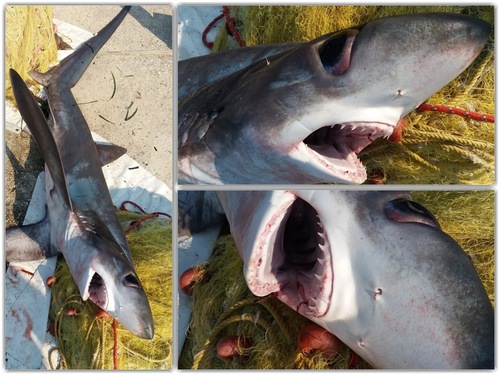
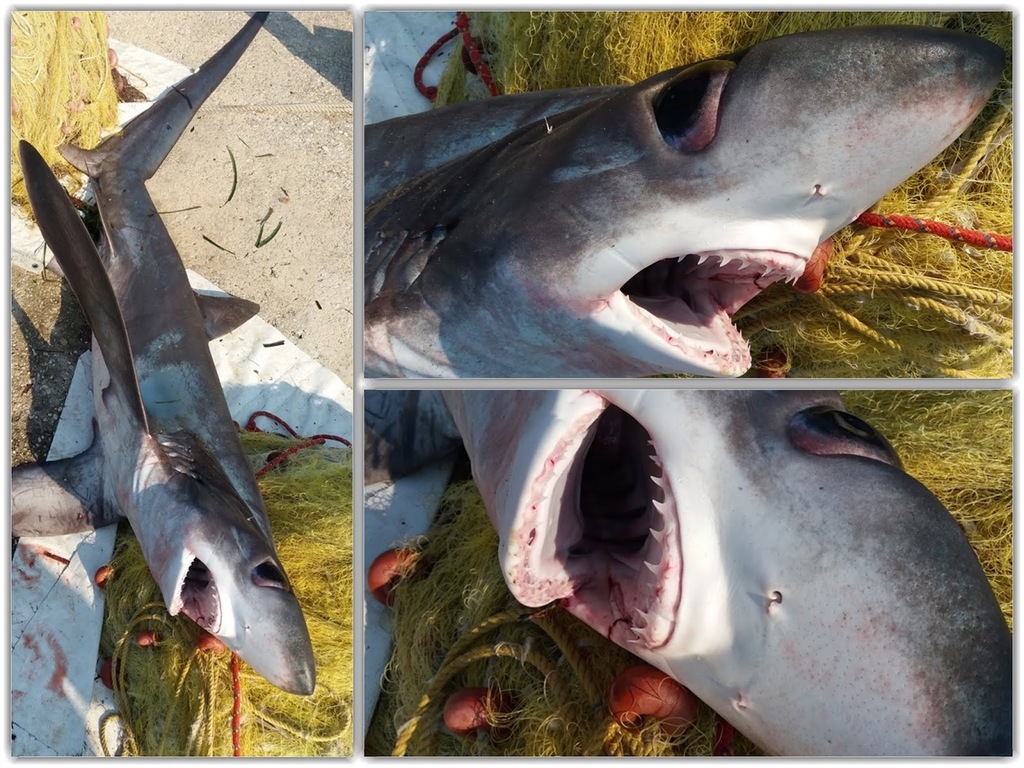
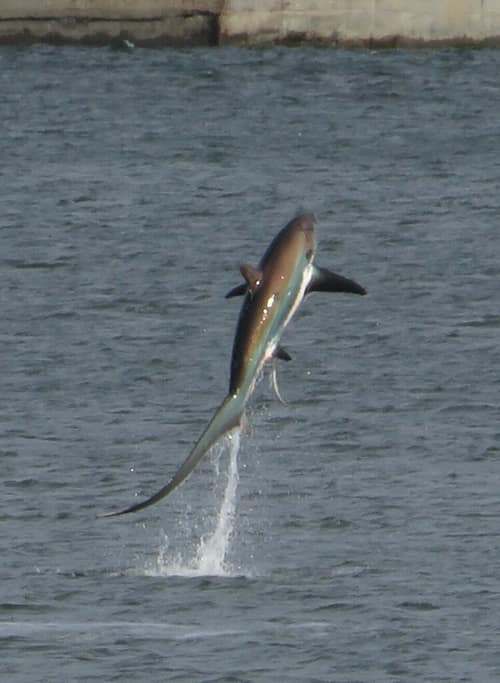
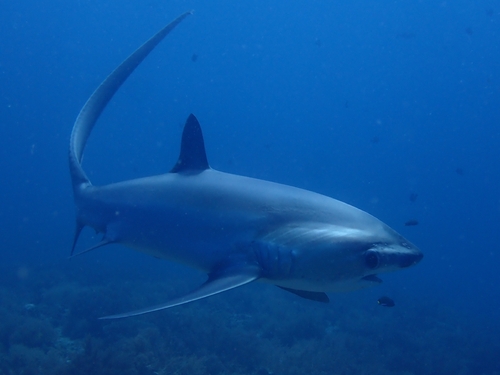
Bigeye thresher sharks patrol open oceanic waters worldwide, undertaking massive vertical migrations between sunlit surface layers by night and twilight depths down to 500 meters by day. Their immense upward-looking eyes are adapted to spot the silhouettes of prey against dim surface light. When hunting schooling squid or pelagic fish, they use their whip-like caudal fin as a scythe to stun and incapacitate multiple prey items with sudden, high-speed strikes.
ThreatsCommercial longline and gillnet bycatch, targeted pelagic fisheries, and slow reproductive rates
HabitatsTropical and warm-temperate open oceans, continental shelves, and pelagic deep waters
Life span19–21 years
Classification
FamilyAlopiidae
SpeciesAlopias superciliosus
Range & activity
Range data is not available yet.
Safe observation
Interaction riskHigh
Low
Moderate
High
Very high
Why interaction risk is high
Large pelagic predator capable of injury if hooked or provoked; observe quietly without crowding.
Why it is dangerous
Massive tail and sheer body mass can cause blunt force trauma if the shark is hooked, thrashing, or cornered.
How to recognize a risky encounter
Recognizable by oversized, upward-angled eyes, prominent horizontal grooves across the nape, and a tail as long as the rest of the body.
What to do
Give ample swimming room during pelagic dives; never grab the tail or attempt to restrain an entangled individual without training.
What to notice
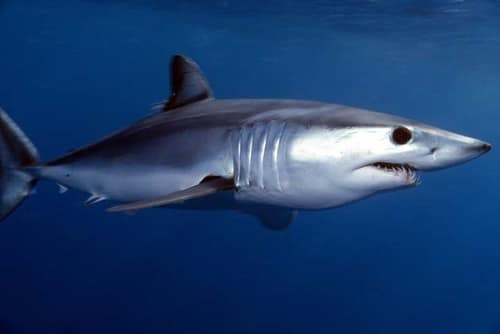
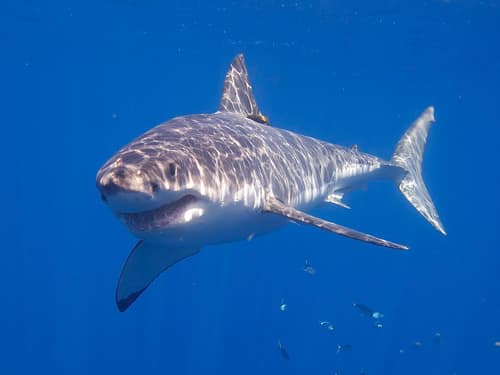
Look for dark purplish-gray skin on top fading abruptly to white along the belly without extending over pectoral fin bases.
Support conservation
Support sustainable fishery practices, advocate for circle-hook regulations, and report accidental recreational catches immediately to marine research programs.
Responsible observation
Diving Etiquette: Maintain neutral buoyancy and keep a respectful distance, especially near deep drop-offs where they cruise.
Lighting Precautions: Avoid powerful dive strobes or continuous bright video lights directed into their highly sensitive eyes.