
Fish
Crocodile Shark
Pseudocarcharias kamoharaiAlso known as Kamohara's Sand Shark, Japanese Crocodile Shark, Water Crocodile
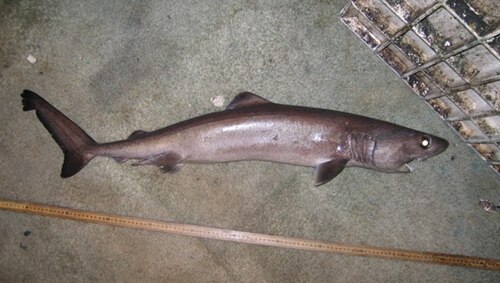
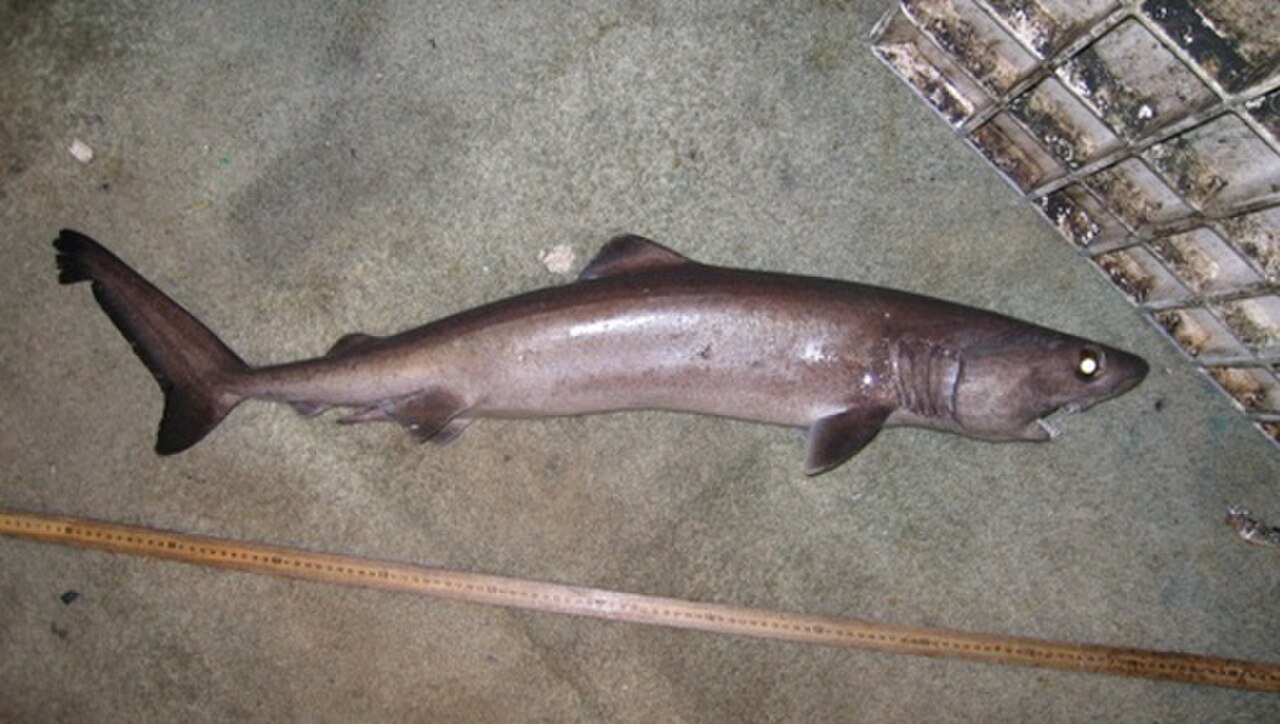
Crocodile sharks are slender, deep-water hunters recognizable by enormous green-reflecting eyes and an impressively toothy jaw that snaps vigorously when threatened. By day, they patrol the twilight mesopelagic zone hundreds of meters down, then ride nocturnal vertical currents upward toward surface waters to ambush squid and lanternfish. Females practice oophagy, nourishing embryonic pups inside the uterus with unfertilized eggs until they give birth to litters of two to four large, well-developed pups.
Deep SeaNocturnalPelagic
—observations
—countries
—peak records
Least ConcernConservation statusIUCN Red List categoriesLCNTVUENCREWEXLeast ConcernRed List categories, explained →
Diet & preyLanternfish, Pelagic squid, Oceanic shrimp
Predators
- Pelagic sharks
- Billfish
- Toothed whales
ThreatsPelagic longline bycatch, commercial gillnets, and marine pollution
HabitatsTropical and subtropical open oceans, from near surface to deep mesopelagic depths
Life span10–15 years
Classification
- FamilyPseudocarchariidae
- SpeciesPseudocarcharias kamoharai
Range data is not available yet.
Interaction riskLow
- Low
- Moderate
- High
- Very high
- Why interaction risk is low
- Possesses razor-sharp, spike-like teeth and snaps aggressively when brought aboard or handled; avoid direct contact.
- Why it is dangerous
- Large, dagger-like forward teeth and strong jaws can inflict deep puncture wounds and lacerations if the animal is handled or cornered.
- How to recognize a risky encounter
- Look for a cigar-shaped greyish body, disproportionately huge dark eyes without nictitating membranes, and long protruding front teeth.
- What to do
- Do not attempt to touch or hand-restrain landed specimens; maintain distance and use release tools if assisting tangled animals.
Responsible observation
- Pelagic Observation: Spotting living individuals is exceptionally rare and usually limited to nighttime open-ocean blackwater dives.
- Bycatch Handling: Commercial fishers should unhook or cut lines safely without gripping the mouth or gills.
- Research Reporting: Report any rare pelagic encounters or verified catch data to local marine biology institutes.
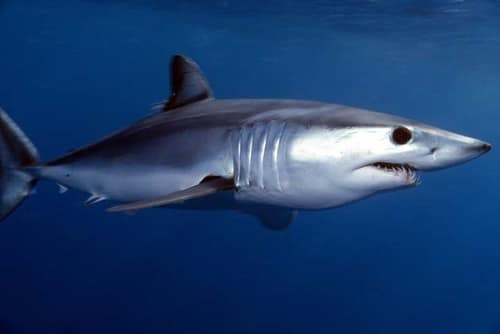
Same Order (c) jidanchaomian, some rights reserved (CC BY-SA) · cc-by-sa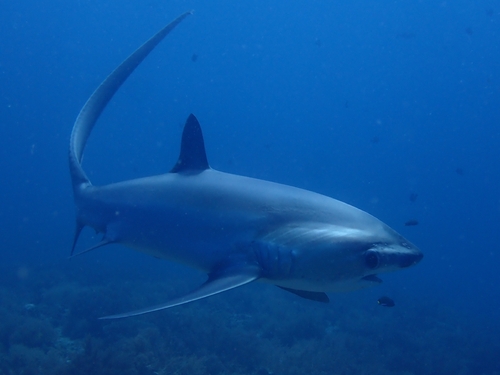
Same Order (c) Ben Jobson, some rights reserved (CC BY) · cc-by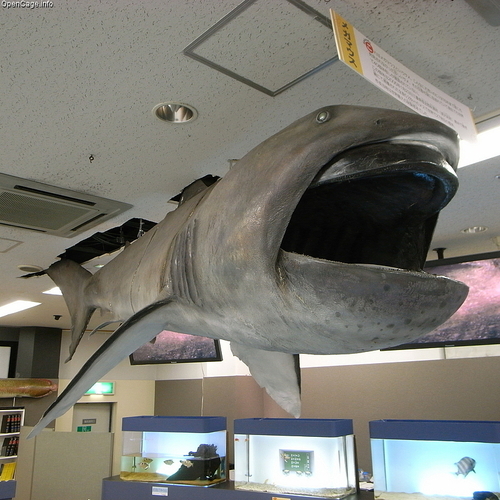
Same Order (c) opencage, some rights reserved (CC BY-SA) · cc-by-sa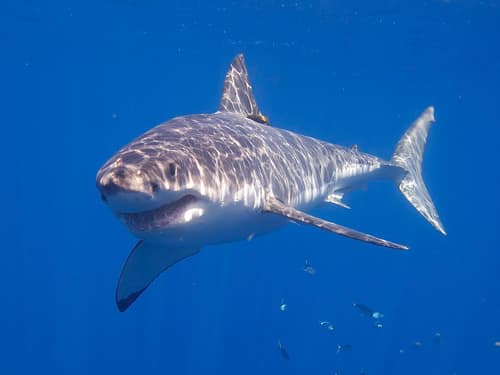
Same Order "Great White Shark" by Elias Levy is licensed under CC BY 2.0. To view a copy of this license, visit https://creativecommons.org/licenses/by/2.0/. · cc-by
Help improve the field guideSomething wrong?
Checking your Fauna account…Report a name, category, or profile issue for review.