
Fish · GBIF taxon 2419300
Bat Ray
Myliobatis californicaAlso known as California Bat Ray, Bull Ray
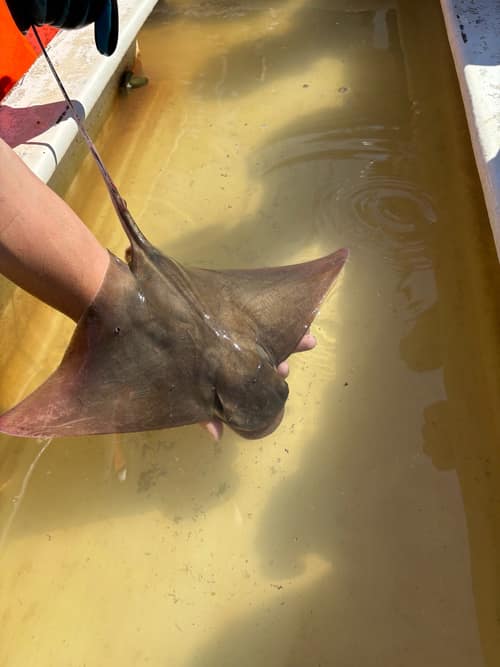
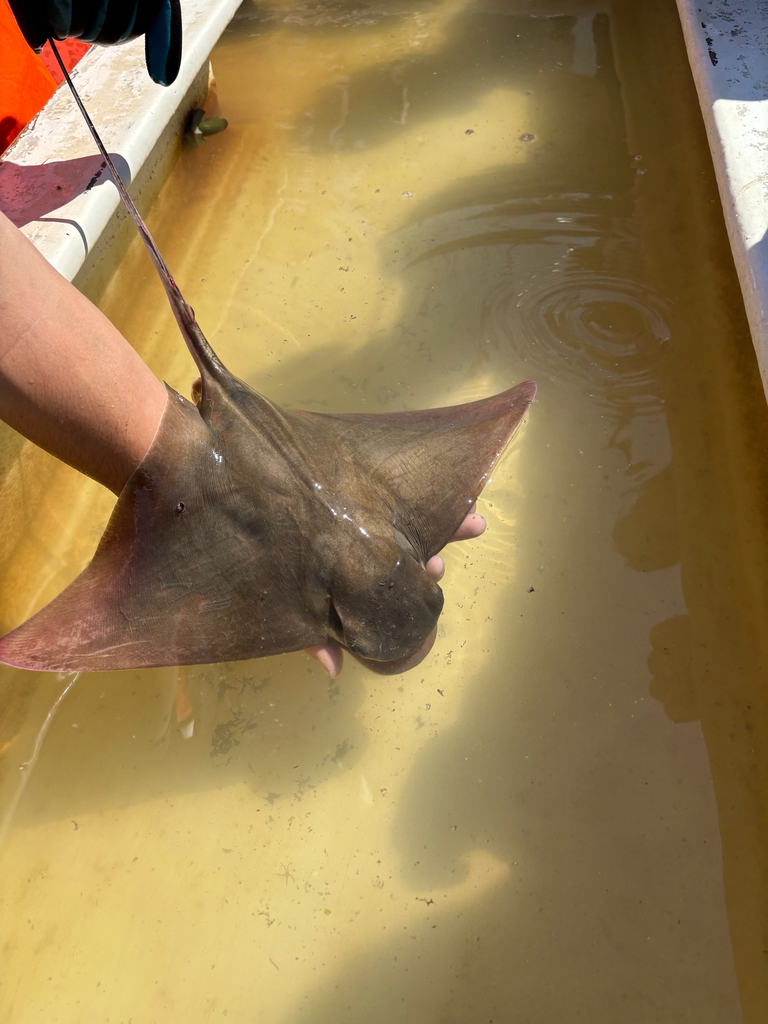
Bat rays glide gracefully through coastal waters using powerful, wing-like pectoral fins that resemble bat wings in motion. They actively churn up sandy sea floors with their broad snouts to excavate buried clams, crabs, and worms, crushing hard shells with heavy pavement-like tooth plates. Solitary or gathering in large aggregations in warm bays, these gentle bottom-dwellers play a vital role in turning over sediment and maintaining estuarine ecosystems.
MarineVenomousBottom Feeder
—observations
—countries
—peak records
Least ConcernConservation statusIUCN Red List categoriesLCNTVUENCREWEXLeast ConcernRed List categories, explained →
Diet & prey
- Clams
- Crabs
- Polychaete Worms
Predators
- Broadnose Sevengill Shark
- Great White Shark
- California Sea Lion
ThreatsAccidental bycatch in fisheries, estuarine habitat loss
HabitatsShallow bays, estuaries, kelp forests, sandy ocean floors
Life span20–24 years
Classification
- FamilyMyliobatidae
- SpeciesMyliobatis californica
Range data is not available yet.
Interaction riskVery high
- Low
- Moderate
- High
- Very high
- Why interaction risk is very high
- Possesses a barbed venomous spine at the tail base, shuffle feet in shallow water to avoid stepping on buried rays.
- Why it is dangerous
- Defends itself with a sharp, venomous spine at the base of its whip-like tail that inflicts painful puncture wounds.
- How to recognize a risky encounter
- Look for a dark brown to black diamond-shaped disc with a distinct raised head and broad wing-like fins.
- What to do
- Never handle or step on a ray, shuffle feet when wading, and seek immediate warm-water soak and medical attention if stung.
Responsible observation
- Stingray Shuffle: Drag your feet along the sand when wading in warm bays to alert resting rays and prevent stepping on them.
- Observe Excavations: Watch for large depressions in sandy shallows, which signal where rays recently dug for buried shellfish.
- Respectful Distance: Avoid crowding or cornering free-swimming rays in shallow water.
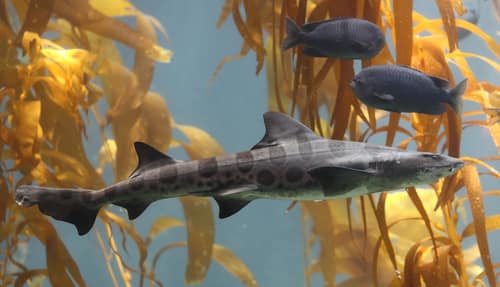
Frequent Companion (c) Mfield, some rights reserved (CC BY-SA) · cc-by-sa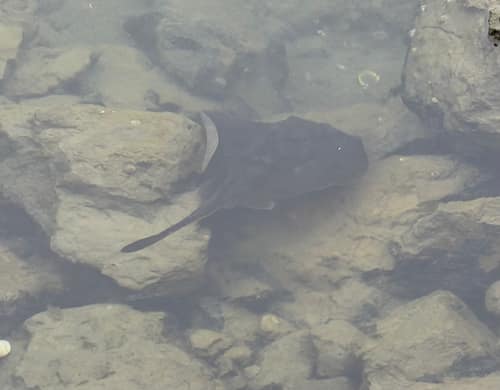
Co-Occurring Neighbor (c) Irina Mitine, some rights reserved (CC BY) · cc-by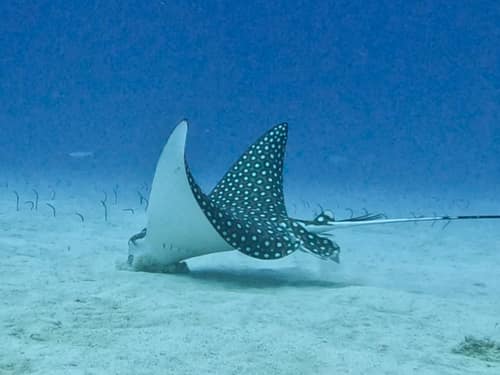
Close Relative (c) Dan Schofield, some rights reserved (CC BY) · cc-by
Help improve the field guideSomething wrong?
Checking your Fauna account…Report a name, category, or profile issue for review.