
Fish
Spotted Wobbegong
Orectolobus maculatusAlso known as Wobbegong, Carpet Shark
Spotted wobbegongs are bottom-dwelling carpet sharks masterfully camouflaged against rocky reefs, kelp forests, and sandy substrates. By day they lie motionless on the seabed, relying on ornate skin patterns and branched dermal lobes around the snout to break up their outline. After dusk, they stalk benthic prey, using powerful buccal suction to swallow fish, octopuses, and crabs whole in a split-second ambush.
MarineCamouflagedNocturnal
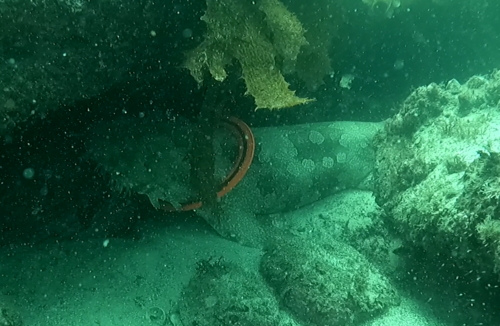
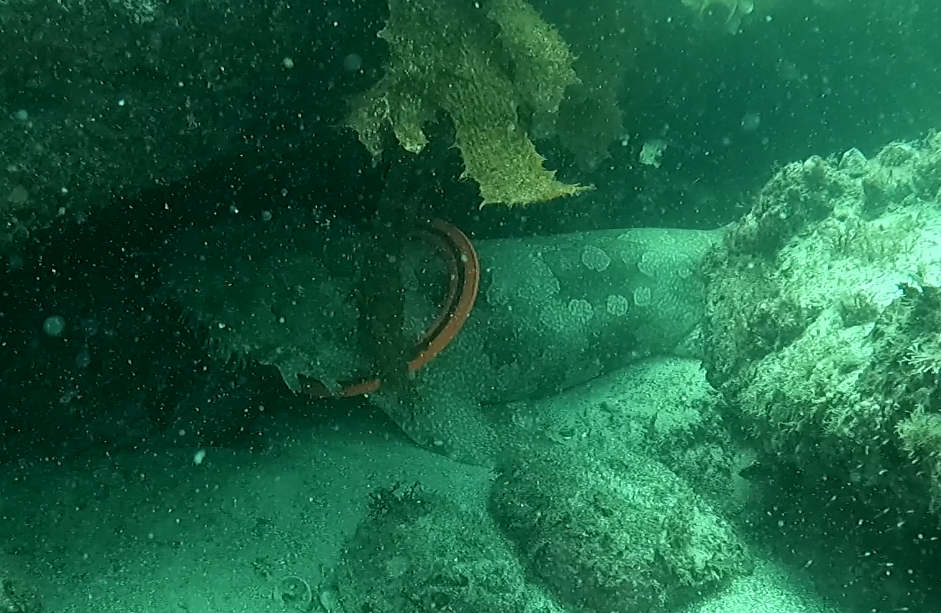
—observations
—countries
—peak records
Least ConcernConservation statusIUCN Red List categoriesLCNTVUENCREWEXLeast ConcernRed List categories, explained →
Diet & preyBenthic teleost fish, Octopus, Crab
Predators
- Great white shark
- Broadnose sevengill shark
- Marine mammals
ThreatsCommercial and recreational fishing bycatch, habitat degradation, and direct targeting for shark meat
HabitatsTemperate to subtropical rocky reefs, kelp beds, sandy bays, and coastal gutters
Life span15–25 years
Classification
- FamilyOrectolobidae
- SpeciesOrectolobus maculatus
Range data is not available yet.
Interaction riskLow
- Low
- Moderate
- High
- Very high
- Why interaction risk is low
- Has sharp, needle-like teeth and can deliver severe defensive bites; maintain distance and never step near or touch them.
- Why it is dangerous
- Possesses rows of slender, dagger-like teeth and powerful jaws capable of gripping tenaciously and lacerating deep muscle tissue.
- How to recognize a risky encounter
- Recognizable by a flattened head fringed with branched fleshy tassels and a yellow-brown body patterned with distinct pale O-shaped rings.
- What to do
- Keep clear of resting sharks, never attempt to grab fins or tails, and check all shallow rocky ledges before stepping or kneeling.
Responsible observation
- Watch your footing: Look carefully before placing feet or hands on rocky ledges and sandy seafloors where they rest.
- Give ample space: Maintain at least a two-meter perimeter while diving, as they can whip around rapidly to bite if cornered.
- Night dive awareness: Use a wide dive beam rather than pinning the shark with direct spotlighting during nocturnal forays.
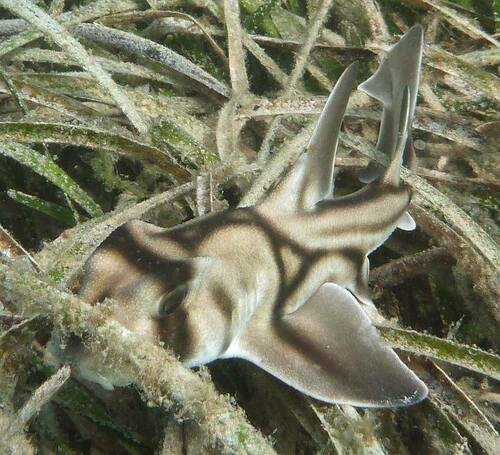
Neighbor (c) Belinda Forbes, some rights reserved (CC BY) · cc-by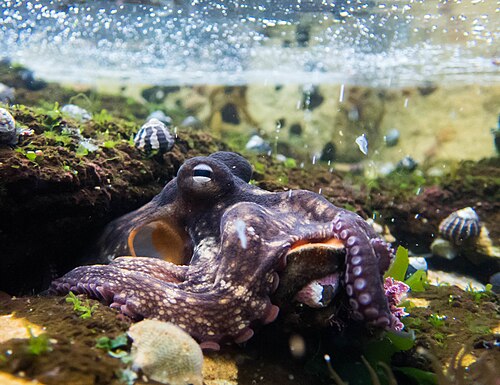
Prey Niki Hubbard / CC BY 4.0 · cc-by Image unavailable
Close Relative Close Relative
Help improve the field guideSomething wrong?
Checking your Fauna account…Report a name, category, or profile issue for review.